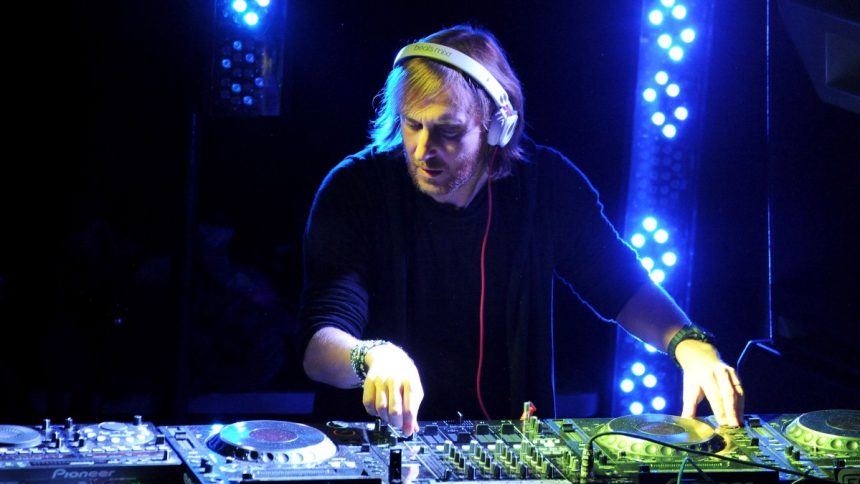
By 2011, EDM had fully transitioned from its underground house roots into the mainstream spotlight. EDM artists were headlining major festivals, and albums were racing up the charts. Though this may be hard to believe, 2011 was 15 years ago. Let’s look at three no-skip EDM albums released in 2011 that turn 15 in 2026.
‘Nothing But The Beat’ By David Guetta
Iconic French DJ and producer David Guetta released his fifth album, Nothing But The Beat, on August 26, 2011. The album marked a significant moment in the EDM landscape, showcasing how electronic music could permeate the airwaves and dominate popular culture. With the staggering success of four hit singles and landmark collaborations, Nothing But The Beat is one of the most important EDM releases of the 2010s. Its impact was recognized at the 54th Grammy Awards, where it was nominated for Best Dance/Electronica Album.
The album’s lead single, “She Wolf (Falling To Pieces)” featuring Sia, soared to No. 1 on both the US Dance Club Songs Chart and the UK Dance Chart. Sia’s powerful vocals are complemented by electronic production in other standout tracks, such as “Titanium,” which reinforced her rising profile in the music industry. For Nothing But The Beat, Guetta collaborated with an impressive roster of artists, including Flo Rida, Nicki Minaj, Taio Cruz, and Ludacris, among others. This blend of talent contributed to the album’s widespread appeal and helped define the sound of mainstream EDM during this era.
‘Audio, Video, Disco’ By Justice
French electro-house duo Justice made waves with their sophomore album, Audio, Video, Disco, released on October 24, 2011. This album set itself apart from typical EDM releases at the time by incorporating 1970s and 80s arena rock and prog rock influences into their vibrant dance tracks. While many artists were drawing heavily from 70s funk and R&B, Justice created a unique soundscape that propelled their music to new heights. The album hit No. 4 on the US Top Dance Albums chart and reached No. 2 on the UK Dance Albums chart, marking a significant point in their career.
Justice’s innovative approach on Audio, Video, Disco included heavy guitar riffs, lush synthesizers, and a variety of tempos that appealed to both dance music enthusiasts and fans of traditional rock. Tracks like “Civilization” and “New Lands” became instant anthems, showcasing the duo’s ability to blend genres seamlessly. Their willingness to experiment and push boundaries helped cement Justice’s status as leaders in the electronic music scene, inspiring countless artists who followed in their footsteps.
‘Glass Swords’ By Rustie
Scottish producer Russell Whyte, known by his stage name Rustie, emerged as a game-changer in the electronic music landscape with his debut album, Glass Swords, released in 2011. The album received widespread acclaim, hailed for its daring and innovative sound that reminded listeners of an exciting new direction for EDM. Glass Swords was particularly notable for its embrace of maximalism, featuring rich, layered productions filled with 16-bit video game soundscapes and heavy 90s hip-hop influences.
Rustie’s unique blend of genres set him apart from his contemporaries and established him as a prominent figure in the burgeoning maximalist electronic music movement. With its energetic beats and captivating melodies, Glass Swords allowed listeners to experience a fusion of American trap and UK bass styles. Tracks like “Ultra Thizz” and “Shuttle” showcased his distinctive sound, bringing a fresh perspective to the EDM scene and changing the way audiences engaged with electronic music. Rustie’s work laid the groundwork for future developments in the genre, and he became known as an architect of innovation during a crucial time for EDM.
These three albums not only defined the landscape of electronic music in 2011 but also helped shape the direction of EDM in the years that followed. As they approach their 15th anniversaries in 2026, their legacies continue to resonate in the hearts and playlists of fans worldwide.