Europe’s Newest Festival: Aura at Segesta
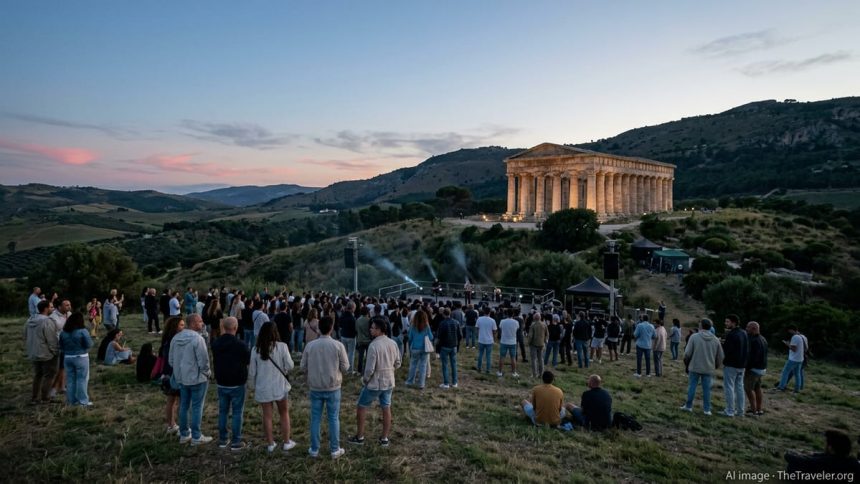
Europe’s summer festival calendar is buzzing with excitement as the highly anticipated Aura Festival prepares to debut at Sicily’s Parco Archeologico di Segesta. This event marks an intriguing fusion of contemporary electronic music with one of Italy’s most well-preserved ancient Greek temples. Aura underscores a broader trend of staging cultural events within historic landscapes, blending the past with the present in an unforgettable way.
Ancient Temple, New Soundtrack
Scheduled for May 1 and 2, Aura Festival will take place against the breathtaking backdrop of Segesta’s archaeological park. Known for its solitary Doric temple amid rolling countryside, the site will be transformed into an outdoor stage featuring house, techno, and experimental electronic performances. However, while music fills the air, the temple itself will remain a visual focal point, allowing festival-goers a unique perspective on history while enjoying modern sounds.
Rather than adopting a mass-market approach, organizers of Aura aim to create an intimate, experience-led gathering. The focus on a tightly curated lineup and a two-day format aligns the festival with a growing European trend toward smaller, destination-style events that blend travel, culture, and music.
Sicily’s Archaeological Parks Embrace Contemporary Music
Aura isn’t just a standalone event; it reflects a larger movement across Sicily, where various archaeological parks are beginning to host concerts and multi-day festivals among ancient ruins. One notable example is Selinunte, located on Sicily’s southwest coast, where electronic-focused events like The Gather have brought live acts into one of Europe’s largest archaeological sites. Here, DJs and performers utilize lighting and sound design to frame the ruins, creating an unforgettable sensory experience.
Further south, the Valle dei Templi in Agrigento has garnered acclaim for open-air performances combining electronic music and digital arts with the stunning silhouette of ancient colonnades. The FestiValle international festival attracts a diverse audience, from local residents to international travelers, all eager to enjoy live sets and DJ performances in this UNESCO-listed valley.
As regional tourism materials suggest, these festivals are part of a deliberate strategy to extend Sicily’s cultural calendar beyond traditional theatrical offerings and classical concerts. The use of archaeological parks as anchor venues serves to attract a younger, globally mobile crowd while encouraging longer stays that benefit local businesses, from accommodation providers to food and wine producers.
Europe’s Festival Landscape Moves Deeper Into Heritage Sites
Aura’s selection of Segesta as its venue is indicative of a wider trend across Europe, where heritage sites increasingly serve as stages for electronic music events. Promoters are securing access to historic castles, fortresses, and industrial complexes, positing that unique architecture and landscapes elevate the festival experience and help distinguish events in a competitive market.
In Italy, the emergence of electronic gatherings at places like Segesta enhances the country’s festival offerings, which already include events set in medieval hill towns and historic villas. Elsewhere in Europe, similar festivals held in Romanian castles, Scandinavian island reserves, and repurposed urban sites are becoming regular features on the summer calendar, often highlighting art installations and sustainability initiatives.
Analysts suggest that festival-goers are increasingly drawn to destination events offering not just popular artists but also memorable settings. The chance to dance beneath ancient arches or next to illuminated columns can significantly influence one’s festival choice, adding an extra layer of allure.
Balancing Preservation, Access, and Nightlife
The expansion of electronic music into archaeological parks raises important questions about site management during large gatherings. Heritage authorities across Europe are now developing guidelines to ensure that visitor numbers, stage placements, and sound levels do not undermine the integrity of ancient structures or surrounding ecosystems.
At Segesta and similar venues, events are carefully staged away from primary monuments, adhering to strict regulations aimed at preserving these sites. Temporary infrastructure is designed to be reversible, ensuring that once dismantled, no lasting impact stains the landscape.
Proponents of this approach argue that well-managed festivals can support conservation efforts by generating additional revenue and fostering public interest. Activating ancient spaces through music and art encourages a deeper appreciation, while diverse income sources can help sustain restoration, staffing, and interpretive projects.
New Itineraries for Culture-Minded Travelers
For those planning European trips in late spring and early summer, the introduction of Aura in Sicily is a valuable addition to the festival landscape. Situated conveniently between Palermo and Trapani, Segesta allows festival-goers easy access to airports, coastal towns, and wine regions. This opportunity positions Aura as a potential centerpiece for a broader Sicilian itinerary that includes not only beaches and charming villages but also other archaeological wonders.
Travel planners note that Sicily already boasts a rich calendar of cultural happenings, from jazz and folk festivals in baroque towns to independent music events in medieval fortifications. With the addition of an electronic festival within an ancient park, the island expands its appeal to those wishing to merge nightlife with history, local cuisine, and scenic outings.
As Aura gears up to fill Segesta’s hills with music and energy for two nights each May, it exemplifies a continuing re-evaluation of how history and culture can be experienced. Historic sites like Segesta are transitioning from mere backdrops for tours to vibrant stages that invite visitors to engage with antiquity in contemporary and unexpected ways.