Madonna’s Dance Music Manifesto: The Anticipation of Confessions II
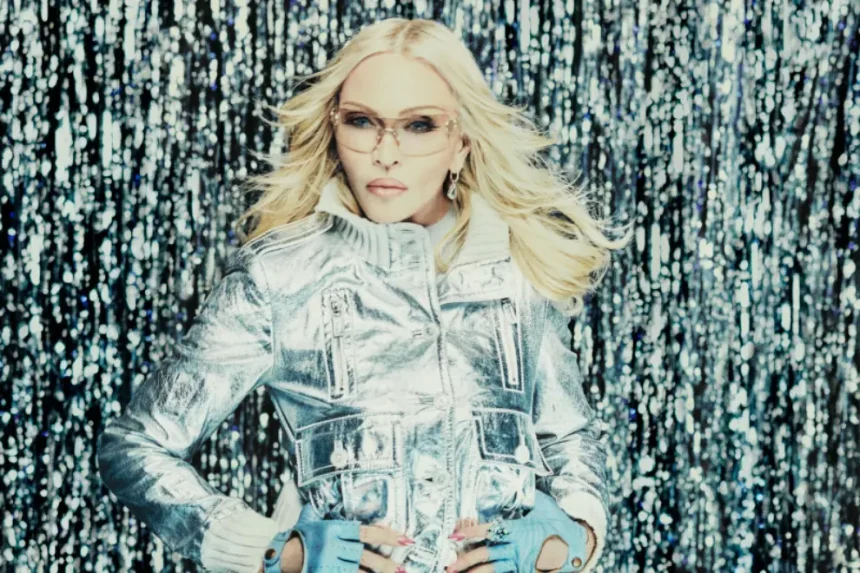
People often label dance music as shallow, but Madonna believes that perception is a misconception. “People think that dance music is superficial, but they’ve got it all wrong,” she asserts, emphasizing the depth and significance of her craft. This statement was made in reference to her highly anticipated album, Confessions II, the sequel to her 2005 classic, Confessions on a Dance Floor.
A Nostalgic Return to the Dance Floor
As Confessions on a Dance Floor turns ten this November, fans find themselves wrapped in nostalgia, yearning for a follow-up that continues its legacy. Set for release on July 3, Confessions II promises to dive back into the rhythm and energy that made the first album a cultural phenomenon. This new record arrives via Warner Records, marking Madonna’s first collaboration with the label since Hard Candy in 2008.
The Creative Alliance with Stuart Price
Producer Stuart Price returns to collaborate with Madonna, reuniting for this innovative project. Price, who played an instrumental role in shaping the sound of the original album, has once again partnered with the pop icon to explore the nuances of dance and electronic music. Madonna describes the album’s inception as a shared manifesto, one that encapsulates their creative vision.
A Dance Music Manifesto
Madonna frames her forthcoming project not merely as a collection of songs, but as a cultural and spiritual exploration. She articulates this through the lens of movement and ritual, explaining that the dance floor transcends physical space and becomes a threshold where expression takes form. The manifesto reads:
“We must dance, celebrate, and pray with our bodies. These are things that we’ve been doing for thousands of years — they really are spiritual practices. After all, the dance floor is a ritualistic space. It’s a place where you connect—with your wounds, with your fragility.”
This powerful declaration emphasizes that to rave is not just an act of enjoyment but a profound form of art, connecting individuals to community and experience.
The Emotional Connection of Dance Music
In her manifesto, Madonna eloquently describes the sensory experience of dance music. The repetition of bass, for instance, is not just something we hear—it’s something we feel. She reveals how sound, light, and vibration can transcend the ordinary, reshaping perceptions and facilitating a trance-like state. This perspective elevates dance music to a form of spiritual communion, where ego dissolves, and time becomes irrelevant.
Confirmed Tracks and Legacy
So far, four powerful tracks from Confessions II have been confirmed: “I Feel So Free,” “Forgive Yourself,” “Fragile,” and “One Step Away.” Each title holds promise, hinting at the emotional depth and transformative nature that Madonna attributes to dance music.
The original Confessions on a Dance Floor boasted monumental success, featuring chart-topping hits like “Hung Up,” which sampled ABBA’s iconic “Gimme! Gimme! Gimme! (A Man After Midnight).” The impact of this album was further cemented when it won the Grammy Award for Best Electronic/Dance Album in 2007.
The Continuing Legacy of Madonna’s Music
As anticipation grows for Confessions II, it’s clear that Madonna continues to assert herself as a pioneer of dance music. Her exploration of themes that encompass celebration, spirituality, and community is intertwined with the sounds that have defined pop music for decades. In a world that often misunderstands the depths of dance culture, Madonna stands as a fierce advocate for its emotional and transformative power.
Now, as she prepares to unveil her latest work, fans eagerly await a revival of the energy and ethos that made Confessions on a Dance Floor an iconic triumph in her illustrious career.