
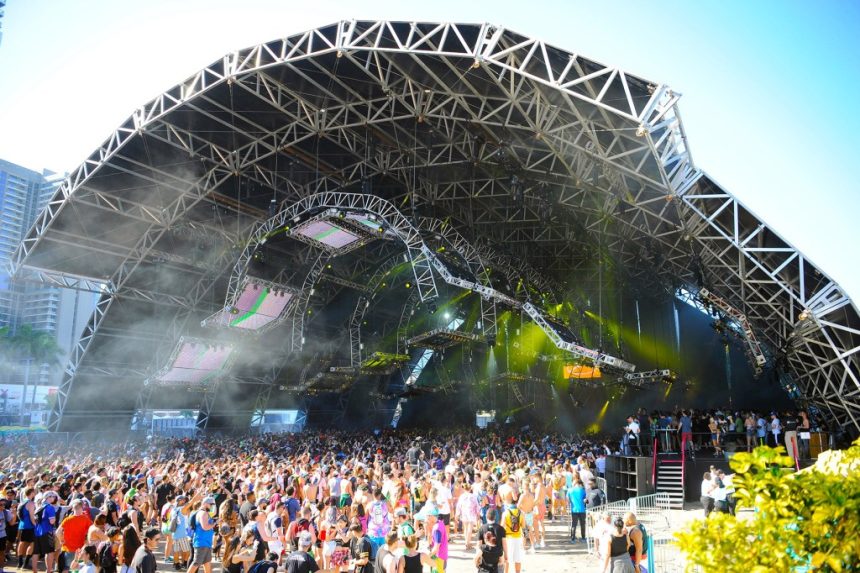
Residents Take Legal Action Against Ultra Music Festival: A Clash of Sound and Silence
In a riveting legal showdown, a group of Miami residents has taken the bold step of suing the Ultra Music Festival, claiming that their seasonal auditory overload is not just disruptive but constitutes “psychological torture.” This situation has escalated, as the Downtown Neighbors Alliance (DNA) contends that the festival has violated prior agreements to mitigate sound levels, pushing locals to their limits every spring.
Background of the Dispute
The tension between residents and the Ultra Music Festival, a cornerstone event in Miami’s electronic dance music scene, has been brewing for years. Initially settled through a legal agreement in 2021, the settlement was designed to curb the excessive noise that had been plaguing the local community. Under that deal, noise levels were capped at a maximum of 95 decibels, and sound monitoring was to occur at the most susceptible areas surrounding Bayfront Park.
Allegations of Noise Violation
Despite this effort, the DNA claims that Ultra has failed to uphold its end of the bargain, categorically stating that the festival has “brazenly obliterated” the settlement. Residents describe the sound produced during the festival as a “relentless sonic assault,” exacerbating their discomfort and impeding their quality of life. The recent lawsuit described the sound levels as turning downtown Miami into an “inescapable warzone,” where low-frequency bass shakes the very foundations of their homes.
Legal Grounds
The complaint outlines two major accusations against Ultra: breach of contract and common law nuisance. Breach of contract refers to the failure to adhere to the noise level stipulations set forth in their prior settlement. Meanwhile, the concept of nuisance applies to behaviors that significantly disrupt the peaceful enjoyment of life for neighboring residents. The lawyers representing the concerned community have employed acoustic engineers to substantiate claims that Ultra has continually exceeded acceptable sound levels during the festival in 2024, 2025, and 2026.
Community Sentiment and Historical Context
For residents living near Bayfront Park, the Ultra Music Festival represents more than just an annual event; it has become a source of chronic stress and annoyance. The DNA has been vocal in their opposition, previously lobbying for city commissioners to deny approvals that allow the festival to take over the park. Their efforts included a brief success in 2019, when the festival was forced to relocate to Virginia Key but returned promptly, illustrating the strength and persistence of the event’s organizers.
In the eyes of the community, the growing noise levels are not merely an inconvenience; they have become a significant source of emotional distress, with residents describing the experience as “offensive, annoying, and intolerable.” Such characterizations highlight the stark divide between the festival’s fans and local residents grappling with the adverse impacts of what they deem to be an “apocalyptic” audio experience.
Ultra’s Response
In light of the legal claims made against them, Ultra’s administrative representatives have asserted their compliance with local sound regulations. Ray Martinez, Ultra’s chief administrative officer, has expressed confidence in the festival’s practices, indicating a commitment to being a “responsible neighbor” and emphasizing their intention to fight the lawsuit vigorously. Their stance is that they are acting within the law and fulfilling any stipulated obligations, which contradicts the claims made by the DNA.
The Future of Ultra and Miami
As Miami’s city commissioners recently granted Ultra a 20-year approval to continue holding the festival at Bayfront Park, the air of contention is palpable. Residents feel that their voices have been sidelined, with the festival’s continuation seemingly prioritized over their well-being. This case not only represents a clash between the vibrant atmosphere of electronic dance music and the tranquility of neighborhood life but also sheds light on the complexities of urban living where large events intersect with residential communities.
With the legal dispute evolving and residents actively finding allies in acoustic specialists, the future remains uncertain for both the festival and the community. As the lawsuit unfolds, Miami stands at the crossroads of celebrating a beloved annual event and honoring the sanctity of its residents’ peace. The outcome could set a significant precedent for future large-scale events in urban environments, influencing how cities balance the demands of entertainment with the need for residential harmony.