Age and Enjoyment: Music Festivals as Intergenerational Spaces
In recent conversations sparked by Emma Brockes’ article about the appropriateness of middle-aged individuals attending festivals like Coachella, a significant debate has emerged concerning age-related cultural participation. While Brockes employs a tongue-in-cheek tone, her suggestion that “certain aspects of modern culture should be off-limits” as one ages invites a critical examination of societal expectations surrounding age, enjoyment, and cultural engagement.
Challenging Age Policing in Music Festivals
Peter Antolik, a 57-year-old festival-goer, provides a refreshing counter-narrative to the idea that age dictates worthiness within the festival scene. He recalls a recent family trip to the Reading festival, where he and his wife actively engaged with the environment alongside their teenage daughter. Their experiences—ranging from dancing in the EDM tent to participating in “silent karaoke”—illustrate that age can coexist with youthful exuberance. Positive reception from younger attendees highlights an open-minded generation that appreciates shared experiences across age brackets rather than a schism created by it.
This interaction reinforces a vital point: participation in cultural events can bridge generational gaps. When older individuals immerse themselves in contemporary culture, they cultivate understanding, empathy, and connection with younger generations. By rejecting the notion that adults must abdicate certain cultural spaces, we dismantle barriers that perpetuate isolation and misunderstanding between ages.
The Psychological Benefits of Music
Research continually reinforces the value of music participation in enhancing mental well-being, particularly among older adults. A systematic review in the European Journal of Public Health highlights that active engagement in music cultivates not only enjoyment but also health benefits—minimizing feelings of depression and bolstering cognitive function. The same study elucidates a specific correlation between attendance at electronic dance music events and well-being. A staggering 91% of older participants expressed that their festival experiences served as vital social resets and spiritual upliftments.
Such findings challenge ageist assumptions that equate maturity with diminished enthusiasm or relevance in contemporary entertainment. Instead, they underscore that festival attendance is not merely an act of nostalgia for older attendees but a genuine investment in their mental health and social connections.
Defying Cultural Snobbery: The Case for Inclusion
Critiques of festival attendance by older individuals often come wrapped in layers of cultural snobbery. Sarah Munro’s comment about the dismissal of joy for those over 50 epitomizes this notion. Her assertion that music and community do not lose significance with age resonates deeply. Music has consistently acted as a unifying force—a common language that surpasses generational divides.
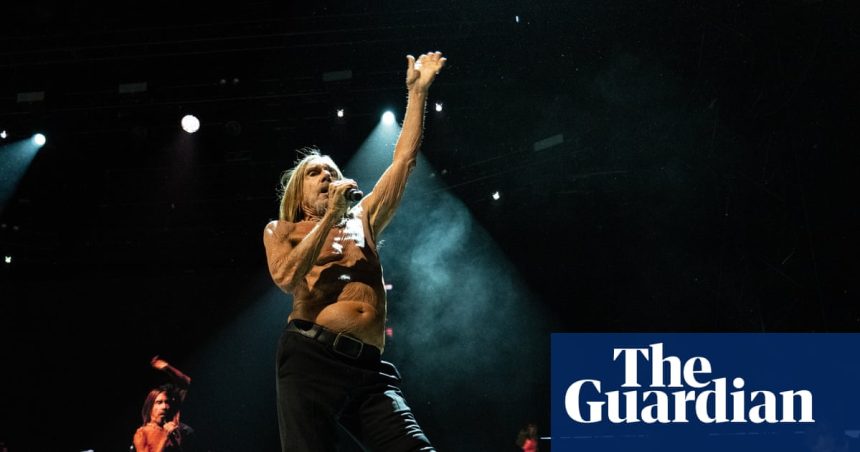
Furthermore, the landscape of music festivals is replete with older performers, serving as testament to the idea that passion and activity in the music scene have no expiration date. Icons like Iggy Pop and David Byrne continue to grace stages, challenging the notion that such spaces are reserved for the young. Demanding that older audiences step aside reflects insecurity rather than insight into the evolving cultural makeup of music festivals.
Music as a Timeless Experience
For many, music embodies a spectrum of life experiences—joy, sorrow, connection, and discovery. Andrew Mack’s perspective encapsulates this sentiment beautifully. The anticipation of attending Primavera with his son illustrates a desire not only to create shared memories but to savor the experience of live music for himself. Such outings affirm that the profound impacts of music do not fade; rather, they deepen across the years.
Mack’s reflections remind us that the connection to music, including shared live experiences with loved ones, holds immense value regardless of age. Feeling the rush of live performance, shedding tears during poignant moments, or simply reveling in the atmosphere of camaraderie unite people through a timeless appreciation that defies chronological boundaries.
Embracing a Future of Shared Experiences
The discourse surrounding generational participation in music festivals reflects a larger societal conversation about ageism and cultural engagement. Dismissing individuals who enjoy live music simply because they’ve hit a certain milestone is not only limiting; it’s contrary to the collective joy that should be embraced by all age groups.
As we navigate this nuanced terrain, it becomes essential to advocate for a culture that welcomes cross-generational experiences. Instead of holding tightly to preconceived notions about who belongs in these spaces, let’s expand the tent of cultural participation. In doing so, we not only enrich our lives but also foster a society that values contributions of every generation, allowing music—as a profound universal language—to resonate across age and time.