The Rise of Schranz: A Harder Sound in German Techno
The electronic music scene has always been a reflection of broader social and cultural trends. In 2025, a fascinating development emerged: an 83% increase in uploads of Schranz, the hardest strand of German techno, on SoundCloud. This dramatic leap, highlighted in the 2025/26 IMS Electronic Music Business Report, signifies a significant shift in club culture towards a harder and faster sound.
Understanding Schranz: The Hardest Techno
Schranz originated in the underground music scenes of Berlin, characterized by its aggressive beats and intense tempos, often reaching 160 BPM and beyond. Unlike traditional techno, which may lean more towards melodic grooves, Schranz is heavy on rhythm and energy. It’s no surprise that this relentless pace has caught the attention of new and veteran listeners alike who seek an adrenaline rush on the dancefloor.
Broader Trends: Harder Genres on the Rise
The IMS report, authored by MIDiA Research’s Mark Mulligan, positions Schranz as the standout underground sound of 2025. It reveals a consistent pattern where subgenres like hardstyle, hardcore, and hardtekk are increasingly finding their footing in the mainstream dance scene. The BPM ceiling for these genres continues to rise, pushing the boundaries of what audiences can expect from electronic music.
Cultural Influences: Music Reflecting Society
One significant takeaway from the report is the correlation between music intensity and the state of society. The data suggests that during times of uncertainty—whether economic strife, geopolitical tensions, or global crises—dance music tends to become harder. This phenomenon may serve as a therapeutic release for listeners, a way to cope with the chaotic environment surrounding them. Consequently, the sonic choices being made on the dancefloor significantly reflect the cultural mood.
SoundCloud’s Global Rankings and Emerging Scenes
In the landscape of SoundCloud, Schranz now shares the spotlight with other genres as house music, hard, and industrial techno take the top positions. Notably, the fastest-growing scenes suggest a regional influence, showcasing genres like Indonesian breakbeat, Vinahouse from Southeast Asia, and Colombian guaracha. These genres represent a global diversity within electronic music, catering to different tastes while showcasing Schranz’s upward momentum.
Mainstage Integration: From Underground to Festivals
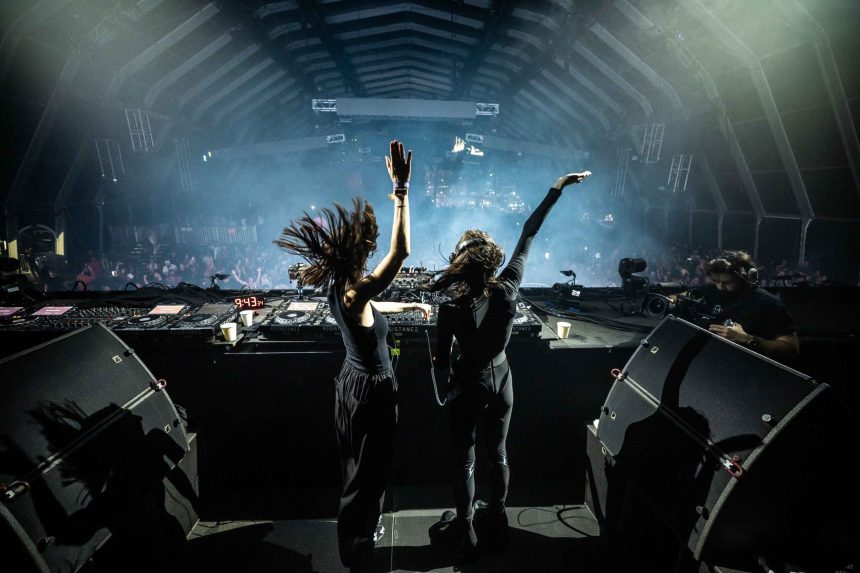
The rapid growth of Schranz has not gone unnoticed beyond the underground scenes. Artists like Sara Landry, Amelie Lens, and I Hate Models are increasing the visibility of these faster tempos on large festival stages. What began as a subversive sound tied to Berlin’s club culture is now reshaping expectations on main stages, appealing to a broader audience eager for high-energy experiences.
Social Media Dynamics: TikTok’s Impact
Interestingly, the rise of Schranz parallels another success story: the dramatic 147% growth in TikTok’s #Techno hashtag. This indicates a crossover between underground uploads and popular social media trends, enhancing the visibility and relevance of harder techno sounds. Both platforms—SoundCloud and TikTok—simultaneously cultivate a cultural movement in electronic music, where one reinforces the other.
Looking Ahead: What 2026 Holds
The IMS report forecasts that the trend toward harder sounds will likely continue into 2026. Already, underground signals are influencing mainstage programming choices at major European festivals. As audiences look for fresh, intense experiences in their music, Schranz is poised to maintain its momentum, further blurring the lines between underground allure and mainstream acceptance.
The evolution of Schranz and its growing prominence in club culture serve as a testament to music’s ability to resonate with and reflect the zeitgeist of society. As it captivates audiences worldwide, this harder strand of techno invites listeners to explore not just the sound, but the emotional undercurrents driving its popularity.