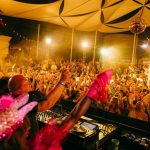
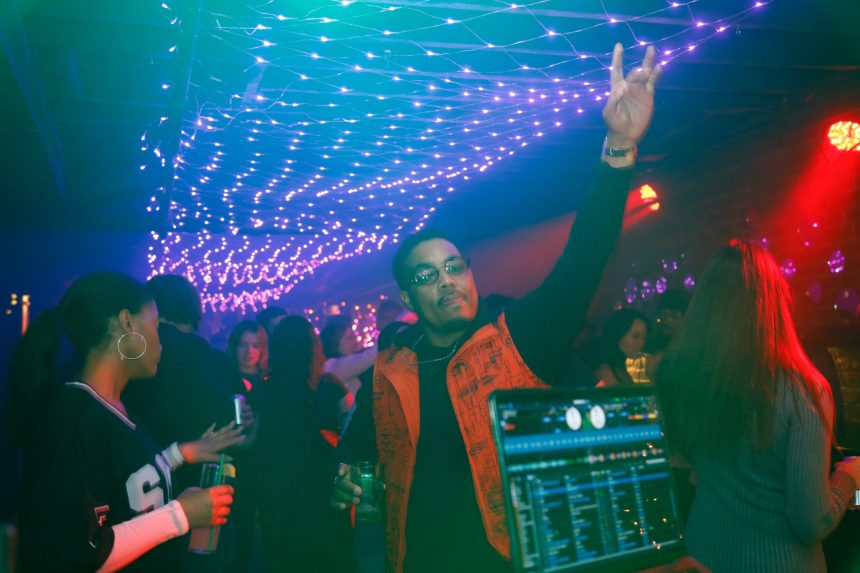
Sometime after 1 a.m. in Midtown, bodies pack themselves tightly into Crobar, the rhythmic beats of the DJ guiding a hive-like crowd that pulses with energy. As night slips into morning, another venue in the city, The Birds Nest, awakens—a hidden gem lit up by the magic of sound and light. Music reverberates from its concrete floors and steel walls, where a carefully curated lineup of DJs takes the stage. People find this unique space through whispers among friends, connected by the intricate web of word-of-mouth.
On this particular night, surreal experiences abound. Imagine a “Sunsets” pop-up event atop the Terminal Tower, where a small crowd of twenty dances under a sprawling skyline, the city’s twinkling lights creating an atmosphere that feels both weightless and timeless. Such moments are becoming increasingly common as Cleveland’s dance music ecosystem revives and flourishes, offering a sanctuary for those looking to disconnect from their daily routines and connect on a deeper level.
“People find dance music when they need it the worst,” reflects Le Schlippy, a DJ and local radio host who emphasizes that many of their friendships began on the dance floor. After enduring years of stagnation and pandemic isolation, the scene feels rejuvenated and eclectic, with new venues and dance-focused events sprouting across the city. Social media and event platforms like Partiful have become vital tools, revealing that parties are now happening almost daily—making it an ideal time for anyone to jump in and find their groove.
“With all the uncertainties and anxieties in the world right now, people are craving human connection,” Le Schlippy adds, a sentiment embedded in the hearts of many:
***
If you wander just a few steps from the vibrant pulse of Cleveland’s nightlife, you’ll find a location where the low, melodic thumping of bass spills onto the street—The Birds Nest. The venue is owned by Brian “Blackbird” Conti, a DJ and event production connoisseur steeped in the history of Cleveland’s electronic music scene since the legendary raves of the ’90s. “What I’ve tried to do is recreate experiences from the ’90s and 2000s, but in a safe, legal environment,” he explains, placing an emphasis on allowing patrons to relive the joy and energy of those formative times.
The Birds Nest hosts a variety of electronic music artists from Ohio and beyond, and sits directly across the street from the only large-scale record pressing facility in Ohio—a detail that seems inconsequential to some, but carries significant weight for Conti. “Cleveland has this hidden music pocket that many are unaware of,” he suggests, shining a light on the thriving “House District,” where four electronic music spaces have opened, creating a one-stop shop for dance enthusiasts.
Central to this revival is Crobar, which Le Schlippy lauds for its role in revitalizing electronic music in Cleveland. Open since 2022, the venue has made waves by attracting legendary national and international acts while showcasing local talent, earning recognition from platforms like Resident Advisor, which called it “one of the most forward-thinking clubs in the Midwest.”
For DJ Joey Sardelle, Crobar serves as the perfect home for their dance party, PERF. Initially attracting only a modest crowd, the event has exploded into sold-out shows, drawing over 500 attendees at its peak. As fearless advocates for inclusivity, Sardelle and fellow organizers prioritize community welfare, ensuring that the venue is a space where safety reigns supreme.
The personal connection to the craft runs deep. Navy Jayde, a newbie DJ who started spinning in 2020, notes how Crobar has inspired others to create similar venues. Her own monthly party at Crobar, ‘Enigma,’ celebrates Blackness and amplifies Cleveland’s vibrant Black and queer electronic music culture. “A lot of people don’t realize how deeply rooted Black culture is in electronic music,” she shares, advocating for broader awareness of this essential lineage.
As Cleveland’s scene continues to mature, innovative spaces like Crobar evolve as central pillars. “It’s not just a gay bar or a white bar; it’s not a Black or electronic bar; it embodies all that,” Navy Jayde emphasizes, highlighting that Crobar is fundamentally a place where music takes precedence above all else.
***

The tapestry of dance music in Cleveland echoes a larger global trend. Sound on Tape, a producer and DJ, articulates that Cleveland reflects the growing affection for electronic music, stating, “We’re just experiencing a resurgence of the genre altogether.” This resurgence is visible in the increasing presence of electronic music at major festivals and the infusion of its elements within the works of pop icons like Harry Styles and Beyoncé. Indeed, the electronic music industry saw nearly 50% growth between 2019 and 2024.
In a city historically rich in the roots of dance music—particularly in genres like house and techno stemming from the predominantly Black and Brown LGBTQ+ communities of Chicago and Detroit—the current momentum feels palpable. “Just a normal Saturday night could bring in crowds of a thousand to two thousand people,” recalls Conti of the 1990s atmosphere. Yet, the RAVE Act of ‘03 sought to stifle this growth, and Cleveland’s electronic scene transformed under pressures that began to reshape the culture.
Dance music emerged into mainstream consciousness during the 2010s, with artists like Calvin Harris and Skrillex taking center stage. Recognizing this evolving landscape, venues like FWD Day + Nightclub sprang up in 2015 to satiate the burgeoning appetite for electronic sounds.
Post-pandemic, Cleveland’s DJ community burgeoned, as lockdowns led to a surge in underground events, revitalizing interest in electronic music. Lamar Z details how the emergence of pop-up events during COVID reopened the city to the underground scene, uniting new audiences every weekend.
***

Further enriching this landscape, venues like Smoke & Mirrors and Bird of Paradise, opened by Sam McNulty, capitalize on a subterranean vibe to offer intimate dance experiences. With their success, the two venues are contributing to the bustling nightlife scene of Ohio City, enticing patrons with lines often stretching down the block.
Promoters such as Matt Ambrose, who helm brands like Mainstage Cleveland, are optimistic about the evolving landscape. They recognize that the growing trust and collaboration between spaces and promoters foster environments where new dance enthusiasts can connect authentically.
The blossoming of this scene transcends traditional venues. Pop-up events are blossoming throughout the city, enabling diverse communities to thrive and experience the rich tapestry of electronic music. Instances like Happy Endings—pioneered by DJs NicNacc and Eso—showcase the sheer need for spaces where attendees can vibe freely without the weighty pressures of a conventional club setting.
DJs like Just AJ emphasize that experiences should be community-driven, aiming to unite people through dance. Events like güdtaste enhance the culture with a roaming, vibe-first philosophy—transforming everything from warehouses to art spaces into celebrations of sound.
Undoubtedly, the prevalent challenges of a rapidly changing culture loom on the horizon. The rise in social isolation has prompted some to label it an “urgent public health issue.” While nightlife has fluctuated, Cleveland strives to adapt; venues like The IVY lean into the dance scene as a counter to closures impacting traditional nightlife venues. Yet, Navy Jayde points to the risk of falling into outdated norms that fail to prioritize inclusivity and accessibility, advocating for a reimagined nightlife focused on authentic experience.
Efforts to strengthen community bonds will play a pivotal role in the sustainability of Cleveland’s dance music scene as it evolves. The sentiment echoed in the words of Bobby Booshay underscores a collective vision: “If we’re all doing the right thing, and we’re all in it together, it only creates a bigger community for all.”
Amidst all the hustle and challenges, the essence of connection remains alive and well on crowded dance floors. For many, gathering to dance is more than just a recreational activity; it’s a vital source of joy, presence, and refuge in times of uncertainty. Matthew Blevins, who hosts Dark Wave Dance Cave, likens these gatherings to USO shows, where people can escape for a moment, recharging before heading back into the world outside.
Subscribe to Cleveland Scene newsletters.
Follow us: Google News | NewsBreak | Reddit | Instagram | Facebook | Twitter