
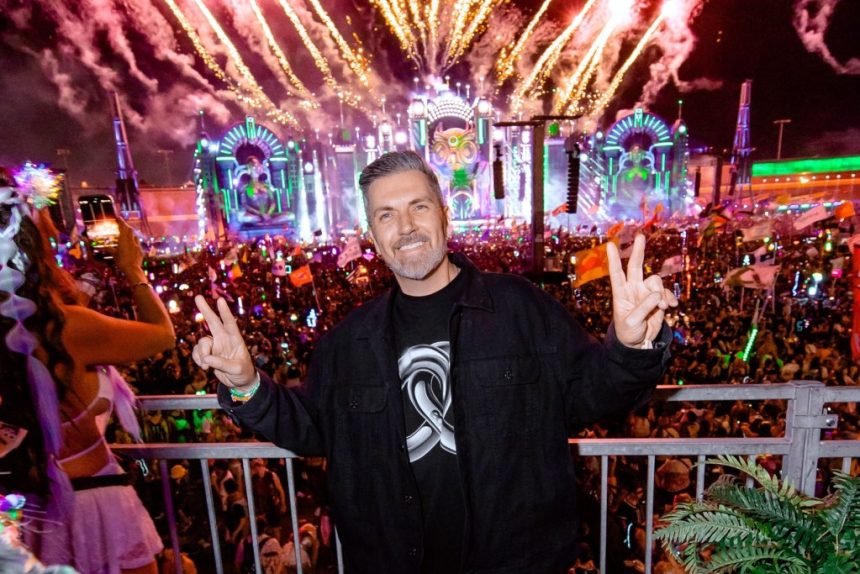
The Cultural Archive of Dance Music: Inside Pasquale Rotella’s Vision
There are a few official electronic music museums around the globe, but one of the most extensive collections of dance culture paraphernalia surely resides in Pasquale Rotella’s office. Located in the chic Insomniac Events headquarters in Calabasas, California, this trove serves not just as a personal archive but as a celebration of a culture that has become synonymous with joy, freedom, and community.
- A Peek Inside the Collection
- The Visionary Behind Insomniac Events
- Historical Context: Raves to Mainstream
- Sustaining Authenticity in Commercialization
- The Evolving Role of Promoters
- The Challenges of Scaling up
- Navigating Industry Criticism
- Embracing New Markets
- A Legacy in the Making
- A Heartfelt Commitment to the Community
A Peek Inside the Collection
Upon entering Rotella’s workspace, it’s impossible not to feel a sense of nostalgia and excitement. The walls are adorned with framed issues of ‘90s scene bible URB Magazine, stacked rave flyers from bygone eras, and shelves cluttered with gifts from fans. Rotella enthusiastically shares a Techno Viking action figure—a whimsical artifact from the rave culture—still nestled in its original packaging. Personal touches like a vinyl record adorned with flower petals and heartfelt letters from fans illuminate the emotional connection between Rotella and the community he has helped foster.
The Visionary Behind Insomniac Events
Pasquale Rotella is a name synonymous with the evolution of electronic dance music in America. From the illegal raves of early ’90s Southern California to orchestrating one of the world’s largest music festivals—Electric Daisy Carnival (EDC)—his vision has shaped the landscape of electronic music events. As he prepares for the 30th edition of EDC Las Vegas, Rotella’s passion is palpable. Last year, tickets for EDC sold out within 24 hours, and the festival is expected to welcome around 200,000 attendees per day, solidifying its status among the largest music festivals in the world.
Historical Context: Raves to Mainstream
The story of dance music in America is steeped in complexity. For years, the rave scene was overlooked by mainstream music industry players, seen more as a subculture than a viable musical genre. Rotella reflects on this struggle, acknowledging that while dance music has gained acceptance, it still holds an underground essence that some artists strive to reclaim. “It took us decades to get accepted… I’m so satisfied with dance music culture,” he explains. This notion of striving for recognition resonates strongly with the community built around Insomniac Events.
Sustaining Authenticity in Commercialization
Despite its considerable growth and commercial success, Insomniac Events aims to retain the authenticity of the underground rave culture. Critics often claim that large festivals like EDC have strayed from their roots. However, Rotella argues that they are committed to intertwining the underground spirit with their massive productions. “We still feel we’re doing underground parties,” he asserts, pointing to smaller, intimate spaces within the grand festival where true rave culture remains alive and buzzing.
The Evolving Role of Promoters
Rotella emphasizes a shift in the role of promoters today compared to years past. In the early days, promoters were community visionaries, weaving together art, culture, and music into unforgettable experiences. Now, the landscape has transformed into a marketplace defined largely by ‘hard ticket’ acts and big-name draws. Rotella laments this change, saying it’s becoming increasingly difficult to balance promoting for the community and the business demands of the industry.
The Challenges of Scaling up
While scaling an operation of Insomniac’s magnitude brings logistical challenges, it also presents opportunities to redefine what it means to be a promoter. Rotella passionately believes that the event’s experience should supersede individual artist headliners, creating a multi-faceted adventure where attendees explore various stages and music genres.
Navigating Industry Criticism
With the massive scale of Insomniac’s operations comes scrutiny. Many insiders and fans have expressed concerns over the consolidation of the rave scene, often attributing it to the funding sourced from larger entities like Live Nation. Managing this perception is a delicate task for Rotella. He is candid that growth comes with challenges but asserts that their commitment to community and cultural integrity remains intact.
Embracing New Markets
As Insomniac explores new global horizons, Rotella is keen on identifying regions with vibrant dance music cultures that align with the company’s vision. Whether it’s EDC Korea or EDC Colombia, the key lies in forming partnerships with local promoters who are equally passionate about cultivating their community.
A Legacy in the Making
Reflecting on decades of work, Rotella’s passion for the dance music scene shows no signs of waning. As he looks toward the future, there is a palpable excitement in his voice. “I feel like we’re just getting started,” he mentions. His vision includes not just maintaining the success of EDC but also tapping into the growing acceptance of electronic music among mainstream audiences.
A Heartfelt Commitment to the Community
For Rotella, this journey is deeply personal. He acknowledges the contributions of those who paved the way, including fellow DJs and promoters who have passed away. “We wouldn’t be here without them,” he reflects, showcasing a sense of humility and gratitude for the culture that has shaped his life.
In this landscape marked by challenges and opportunities, Pasquale Rotella remains a beacon for those who cherish the art of dance music and its inherent ability to unite people from all walks of life.