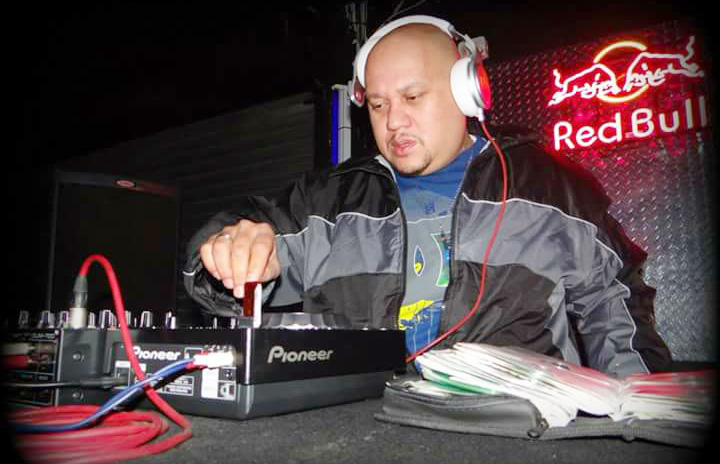
The party scene in Namibia thrived last year – from all-white parties to a variety of festivals, not to mention the notorious club scene where house, hip-hop, kizomba and electro music thrived, among other genres.
The two-day Oktober Fest drew in crowds, while the younger generations went wild at the colour festivals that took place in April. But with DJs having their finger on the pulse in terms of the vibe of a party, their musical tastes and abilities can either keep the crowd on their feet, or completely kill the vibe.
With the new year and hundreds of parties in the works, events companies are working together with DJs to plan the perfect party. Being behind the decks takes more than just a turntable and a song, it requires behind-the-scenes knowledge, however, other factors play a role in creating a successful event.
So what do DJs actually want to see? DJ Siya, who is usually based in Katima, said he would like to see “hard-working artists”, while DJ Droopy, who has been on the music scene for many years now, shared his sentiments for the new year: “I would like to see people partying more responsibly. It’s always disappointing when a fight breaks out at an event.”
According to a report released by NamPol, in July 2016, for example, a suspect and victim were drinking tombo at a bar when an argument erupted and a fight ensued. “The suspect grabbed a machete and hacked the victim twice in the head and neck.”
In the same week at Club Latropicana at Keetmanshoop, an argument erupted between two men over a memory card, where one of the men stabbed the other in the neck, killing him instantly.
During September 2016 in Havana, Windhoek, “a man left the bar and went outside to urinate. Soon thereafter the man stormed into the bar, fell to the ground and died. A stab wound was observed in his left chest,” another report stated.
Internationally, music festivals are said to have increased in the last decade due to a rise in drugs which are readily available.
Improvements
In terms of where events can improve, DJ Droopy said that it was up to organisers to be equal with all artists who are scheduled to perform. “Event organisers must treat all acts with respect. We must learn to appreciate and support our local acts a little more before we jump to spending thousands of dollars to bring in international acts.”
The controversial Windhoek Draught festival last year, which was scheduled to bring R Kelly, was cancelled a week prior to the event, with organisers citing “internal challenges” as a reason for the cancellation. Although Ohlthaver and list group chairman Sven Thieme said that the matter would be resolved soonest, it was later revealed that the company was withdrawing as a sponsor from future festivals. “It puts our reputation at risk,” Thieme said. “We overly suffered damage because of the event.”
Speaking on what he was eager to see in the Namibian music industry, DJ Slim, who frequently deejays around the capital’s hotspots, had this to say: “I’m looking forward to seeing innovative themes but more on the underground scene. I also think that a two-day music festival could work. EDM parties should come back to life like the Colour Fest or something similar. Oh and better venues like Goethe Centre or Camel Stables or something could work just to keep adding flavour.”
In terms of security, events usually place restrictions on what should and shouldn’t happen at their events, such as: “Persons under the age of 18 are prohibited”, or “any apparatus considered dangerous by the security services to other festival-goers may be refused”. All these rules are usually in a copy or digital form in case a mishap occurs and organisers can refer to them in extreme situations.
Interested in what the party scene has got in store this year? Although no international artists have been scheduled to perform as of yet, as yearly tradition, event organisers constantly encourage a safe culture of alcohol consumption and care on promotional items for events.