
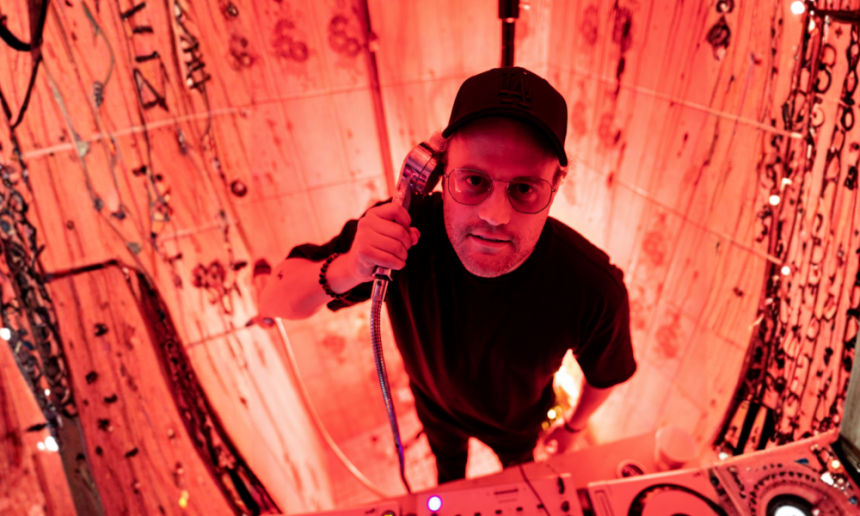
Nightlife culture has always evolved alongside technology. From vinyl records and analogue lighting systems to digital DJ decks and livestream events, music scenes often reflect wider changes happening across society. Today, club culture is entering another stage of transformation as digital play, interactive technology, online communities, and data-driven experiences influence how people socialize after dark.
Research around digital entertainment behavior suggests younger audiences often move between online and offline spaces naturally. Music discovery may begin on social platforms, conversations continue in private groups, and real experiences happen later in clubs, festivals, or themed events. Nightlife is no longer limited to physical venues; instead, it has become part of a larger digital environment.
The Evolution Of Club Culture In Connected Spaces
Traditional nightlife depended heavily on location. People found artists through local venues, discovered scenes through friends, and built communities face to face. While those experiences remain important, digital platforms have expanded access and changed how nightlife habits develop.
Today, many nights out start online. People commonly:
- Save event announcements from social media
- Follow DJs and producers before attending shows
- Share playlists and set predictions
- Join music communities tied to genres
- Watch livestream clips before buying tickets
This digital activity often increases interest in physical experiences rather than replacing them. A person interested in underground house music, techno, EDM, or hip-hop can explore global scenes instantly. Smaller communities gain visibility faster, and trends move across cities more quickly than in previous decades.
Digital Play And Interactive Nightlife Experiences
Digital play has become part of modern entertainment culture. In nightlife settings, this means moving from passive participation to interactive experiences.
Many venues now experiment with:
- Audience song voting systems
- Interactive visuals
- QR activated content
- Gamified event challenges
- Digital loyalty experiences
These ideas reflect wider trends seen in gaming, streaming, and online entertainment. Some researchers studying participation culture note that audiences increasingly expect involvement rather than observation. Nightlife appears to be following the same pattern. Music events may include digital elements that encourage movement, exploration, or community interaction while maintaining a focus on social experiences.
Immersive Technology Is Changing Club Atmospheres
Technology is also reshaping physical environments. Augmented reality, projection mapping, and responsive lighting systems allow venues to create evolving spaces rather than static interiors.
Examples include:
- Walls that change visuals during performances
- Lighting systems reacting to crowd movement
- Projection art linked to music tempo
- Interactive installations inside event zones
Virtual experiences are expanding as well. Hybrid events sometimes combine live audiences with digital viewers through livestreams and virtual after-parties. The growth of gaming culture has influenced this trend; many people already socialize through digital environments, making hybrid entertainment feel more familiar.
Interestingly, similar interactive habits appear across different forms of digital entertainment. Competitive games, livestream communities, and experiences built around roulette online environments show how audiences increasingly value participation, live interaction, and real-time engagement rather than passive viewing. Nightlife spaces are adapting to those same expectations, although through music and social settings.
Artificial Intelligence And Music Driven Experiences
Artificial intelligence receives significant attention across entertainment industries, including nightlife. Current uses remain relatively practical, with some venues exploring AI for:
Music Support
Analytics tools may help identify:
- Crowd movement
- Dance floor activity
- Energy changes
- Room density
- Audience engagement patterns
Human DJs still lead creatively, but technology can provide additional information that enhances the experience.
Event Discovery
Recommendation systems are increasingly shaping nightlife choices. Suggestions may depend on:
- Listening history
- Previous attendance
- Genre interests
- Social behavior
- Location trends
This helps audiences find events aligned with their preferences, making the nightlife experience more personalized.
Venue Operations
Technology also supports practical areas such as:
- Capacity monitoring
- Lighting efficiency
- Crowd flow analysis
- Ticket forecasting
- Safety management
These systems often operate behind the scenes but significantly influence overall experiences by optimizing venue operations.
Social Media And The Growth Of Music Communities
Social media now plays a major role in nightlife identity. Platforms influence:
- Music discovery
- Fashion choices
- Venue popularity
- Dance trends
- Event visibility
Short video content has accelerated genre exposure, allowing smaller scenes to reach international audiences quickly. Consequently, venues increasingly design environments that support both atmosphere and visual storytelling.
Common features now include:
- Immersive lighting rooms
- Digital art installations
- Interactive displays
- Projection experiences
- Themed visual spaces
Researchers studying online identity suggest digital participation influences how people express interests and join communities. Music scenes often reflect this through style, aesthetics, and shared experiences. However, some critics argue that constant documentation may shift focus away from live engagement, sparking an ongoing discussion around balance.
Wellness Is Becoming Part Of Nightlife Culture
Another noticeable change involves well-being. Modern nightlife increasingly includes discussions around balance, recovery, and healthier social habits. Soft clubbing environments—spaces designed for relaxation and socialization—have become more visible.
These spaces may include:
- Lower lighting intensity
- Relaxed seating areas
- Earlier event schedules
- Alternative drink options
- Slower musical pacing
Technology plays a role in promoting wellness as well. Apps and wearable devices can support:
- Hydration reminders
- Sleep awareness
- Recovery tracking
- Mood monitoring
- Activity insights
Research in wellness and entertainment remains ongoing; any conclusions should be approached carefully. Nevertheless, interest in combining social experiences with well-being appears to be growing.
Sustainability And Future Nightlife Innovation
Environmental awareness is influencing venue design as well. Examples of sustainable practices include:
- Smart lighting systems
- Digital ticketing solutions
- Energy-efficient controls
- Motion-activated systems
- Experimental energy-generating floors
These innovations are at different stages of adoption but highlight a broader movement toward more responsible entertainment spaces. Younger audiences often show interest in sustainability, which may continue encouraging venues to invest in greener technologies.
- The Evolution Of Club Culture In Connected Spaces
- Digital Play And Interactive Nightlife Experiences
- Immersive Technology Is Changing Club Atmospheres
- Artificial Intelligence And Music Driven Experiences
- Social Media And The Growth Of Music Communities
- Wellness Is Becoming Part Of Nightlife Culture
- Sustainability And Future Nightlife Innovation



