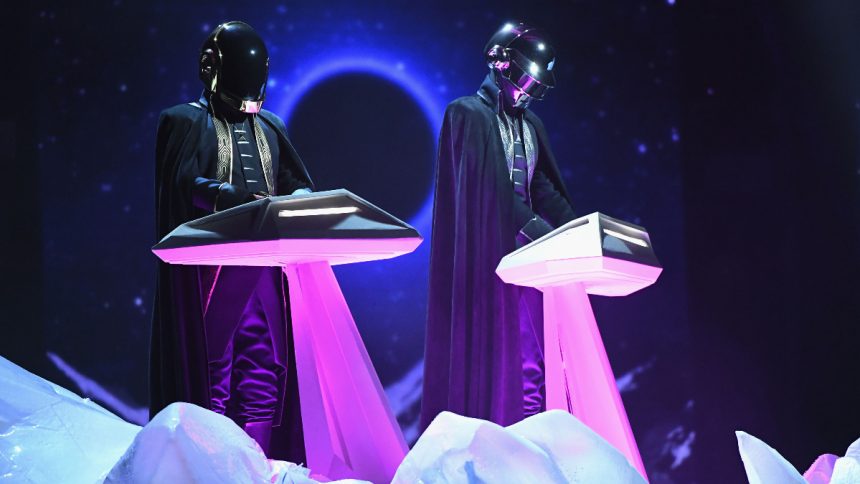
Dance music has evolved dramatically across the decades, reflecting cultural shifts, technological advancements, and the ever-changing tastes of music lovers. After the disco era faded in the early 80s, cheap and abundant vinyl records became the lifeblood for a new generation of DJs. This availability laid the groundwork for house music, a genre that emerged in the underground dance clubs of Chicago and soon gained traction worldwide. By the 1990s, creative sparks were flying in France, where two visionary artists would take underground house to massive arenas. Their names? Daft Punk.
“Da Funk”
Released in 1995, “Da Funk” marked Daft Punk’s first single and captured the fusion of acid-synth pop and hip-hop. Its infectious groove not only climbed to No. 1 on the US Dance Club Songs but also played a critical role in securing their record deal. This track was more than just a hit; it redefined house music and catapulted Daft Punk to icon status in the electronic music scene.
“Around the World”
In 1997, “Around the World” was released, a masterpiece of minimalism that featured the simple yet hypnotic repetition of its title a staggering 144 times. This experimental approach defied conventional songwriting but captivated audiences and dancers alike. The track’s repetitive structure, complemented by five looping instrumental sections, created an immersive experience in clubs and left a lasting impact on music production techniques.
“One More Time”
Often considered Daft Punk’s signature track, “One More Time” pushed their signature sound further while embracing the use of autotune and heavily compressed vocals. Released in 2000, the song utilized French house chords, allowing it to transcend traditional dance genres and penetrate mainstream pop culture. It became an anthem at music festivals and concerts throughout the 2010s, effectively merging the worlds of pop and electronic dance music.
“Get Lucky”
Fast forward to 2013, Daft Punk released the blockbuster single “Get Lucky,” featuring Pharrell Williams and Nile Rodgers. The track masterfully blended modern electronic soundscapes with the warmth of vintage analog funk, signaling a powerful comeback for both the artists and dance music as a whole. Its success paved the way for a flood of EDM that pulled from the rich history of disco and funk, creating an exciting nexus of nostalgia and innovation.
Photo by Jeff Kravitz/FilmMagic