
The Profound Experience of Awe at Music Festivals
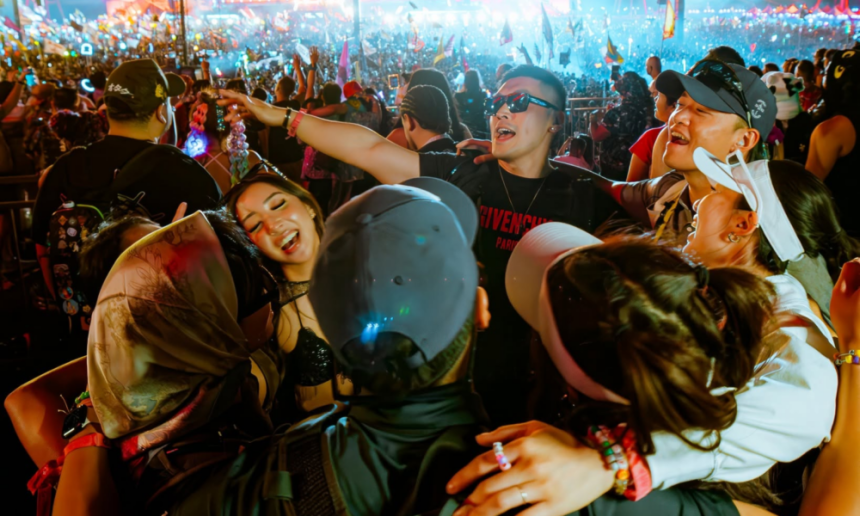
For many, the most vivid memories from music festivals emerge from moments that may be difficult to put into words—whether it’s witnessing an enormous stage for the first time, hearing a cherished artist perform live, or finally attending a set they’ve long anticipated. Psychologists label this overwhelming sensation as awe—an emotional response that occurs when something feels so vast or extraordinary that it transcends our usual expectations. Music festivals are particularly adept at eliciting this feeling due to their scale, sound, visual production, and the communal experience they foster. Renowned events like Tomorrowland and Electric Daisy Carnival (EDC) can transform a single performance or stage reveal into something that feels monumental, shedding light on why specific festival moments remain clear in our memories long after the event has ended.
What Awe Actually Means
The key differentiator between awe and ordinary excitement lies in how psychologists conceptualize the phenomenon of awe. Foundational theories posited by Dacher Keltner and Jonathan Haidt identify two main features: perceived vastness and a “need for accommodation.”
Vastness can be physical, as seen when someone first encounters the breathtaking Tomorrowland Mainstage. Yet, it can also describe an experience that feels markedly larger than what one typically engages with. The enormity of a music festival, the grandeur of its productions, and the collective energy of thousands of attendees can all contribute to a sense that the moment extends beyond everyday experiences.
Additionally, the “need for accommodation” refers to experiences that challenge our existing frames of reference. A fan might have watched festival performances online for years or followed artists like Calvin Harris, Martin Garrix, or Swedish House Mafia well before finally seeing them live. However, nothing can truly replicate the immersive experience of being enveloped in the sound, lights, and energy that a live concert provides. This blend of familiarity and novelty engenders a potent sense of awe.
Why Awe Can Make Us Feel Completely Present
When awe strikes, it significantly impacts our attention. Research, including an fMRI study, has shown decreased activity in various regions of the brain associated with self-reflection and mind-wandering when participants viewed awe-inducing content. The findings suggest that this emotion can draw our focus more deeply into the experience itself.
This absorption is especially palpable during music festivals, where a rich tapestry of sights and sounds competes for our senses. Moments like Eric Prydz’s HOLO at Coachella, standing within the vastness of Ultra Music Festival, or hearing anthems like Avicii’s Levels resonate across the grounds can severely limit distractions. In these moments, worries about time or checking phones fade away, leaving just the music and visuals to command our undivided attention. Awe is also linked to a diminished sense of self, which may help explain why people often feel intensely present while simultaneously perceiving themselves as just a small part of a much larger experience.
Why Awe Can Feel So Personal
Not every festival moment generates the same awe for every participant; individuals arrive with varying expectations and histories with the music they’re experiencing. While one might assume that familiarity would lessen the thrill of awe, the relationship is complicated in the context of music. Knowing a track, artist, or performance history deeply can add layers of meaning when witnessing it live.
The return of Hardwell at Ultra Music Festival in 2022 resonated differently for those who had followed him throughout his career, just as Daft Punk’s iconic 2006 performance at Coachella created a sense of wonder when audiences first encountered their groundbreaking pyramid stage production.
That personal history weighs even more heavily when considering Avicii. His music not only evokes memories of his career but also the sorrow of his passing. At Tomorrowland in 2018, artists like Nicky Romero, Axwell Λ Ingrosso, Don Diablo, and Dimitri Vegas & Like Mike honored him with a massive Swedish flag depicting Avicii’s likeness unfurled across the audience during Romero’s set.
For those who watched Avicii live at Tomorrowland in years past, hearing his tracks in a festival setting after his death conjured rich memories of those earlier performances while simultaneously imbuing them with new, poignant significance. This duality shows how personal history, intertwined with familiar festival moments, can yield a much stronger sense of awe than another experience might.
Ultimately, the power of awe in the music festival landscape lies in its ability to intertwine individual experiences with larger collective events, forming an emotional tapestry that resonates well beyond the festival itself. The moments that affect us most are rarely solely about the action on stage; they encapsulate years of anticipation, distinct memories tied to particular tracks, and an overwhelming feeling of participating in something that, if only for a brief time, feels grander than everyday life. This profound emotional experience explains why someone can traverse numerous sets over the course of a weekend and still find themselves captivated by one particular moment long after they return home, memories of the music, setting, and feelings still vivid and acute.



