Sloss City Festival: Birmingham’s EDM Scene Sparks Controversy
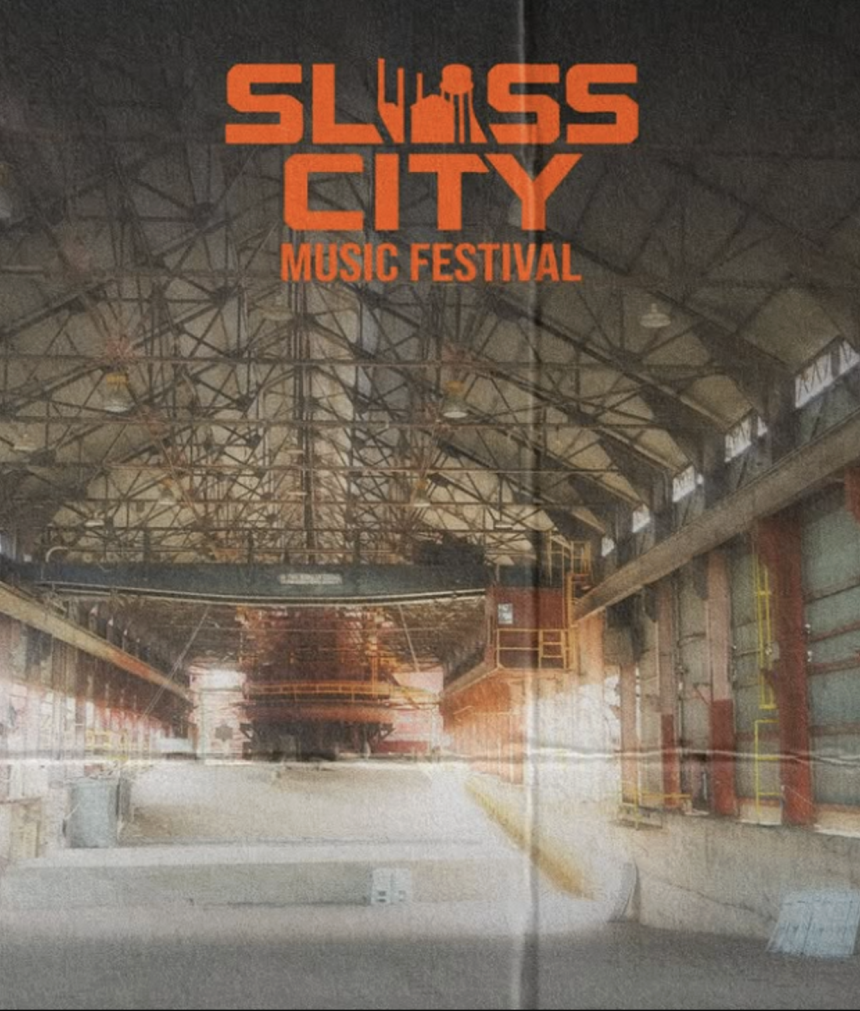
In the bustling scene of Birmingham, Alabama, a new chapter in the electronic dance music (EDM) festival landscape is unfolding with the announcement of the Sloss City Festival, which is set to transpire at the historic Sloss Furnaces on September 18, 2026. This initiative by Veritas Social aims to resurrect the excitement that once surrounded music festivals in the region, though it instantly faced criticism and controversy as it entered the public eye.
A Risky Marketing Strategy
With the slogan “Birmingham Isn’t Borning Anymore,” Sloss City’s marketing campaign has drawn significant ire. The tagline is seen as a double-edged sword — it attempts to reinvigorate interest in Birmingham’s music scene but simultaneously appears to insult local artists and organizers who have tirelessly championed the city’s cultural landscape. Given Birmingham’s historic struggles with being perceived as lacking vibrancy, this approach raises eyebrows among those who believe it dismisses years of hard work by the underground community in promoting local talent and events.
The Misleading Association with Sloss Fest
Compounding the marketing missteps, the festival’s promotional materials describe Sloss City Fest as the “relaunch of a legendary Alabama music festival.” However, it is crucial to clarify that it bears no relation to Sloss Fest, which had its own significant cultural footprint before its conclusion in 2018. Such phrasing has led to accusations of misleading marketing that could confuse potential attendees about the festival’s true origins and intentions.
Issues of Diversity and DJ Compensation
Furthermore, Sloss City has faced scrutiny over its lack of diverse representation in its marketing and lineup. Critics argue that the festival has failed to authentically reflect the vibrant culture of Birmingham. Local artist and DJ Artsen has taken it upon themselves to highlight these concerns through a social media campaign titled Sloss Fest Is Boring, which exposes the underlying issues regarding local artist compensation and diversity.
The festival’s contract reveals that local DJs would only receive 15% of ticket sales from those purchasing through their specific discount codes. This pay-to-play structure has sparked fears of exploitation within the local music community, as artists are essentially being asked to act as salespeople rather than being valued for their craft.
Sloss City Fest Responds to the Backlash
In a recent statement, Sloss City Fest management acknowledged the criticisms and attempted to clarify their stance. They expressed appreciation for the concerns raised and stated that many team members are deeply rooted in Birmingham itself, reinforcing their intention to contribute positively to the local community.
They emphasized their commitment to representation, acknowledging the push for a broader spectrum of artists not just within the lineup but in festival marketing too. They articulated a desire to create a festival that embraces Birmingham’s diverse culture by prioritizing community engagement and support for local artists, rather than merely serving the interests of outsiders looking in.
Evaluating the Call for Change
In a quick follow-up, Artsen evaluated Sloss City Festival’s response, rating it a 5/10 for effort. They appreciated the acknowledgment of feedback but pointed out that many core issues remain unaddressed. Specific concerns regarding guaranteed compensation for local DJs, the festival’s definition of diversity, and true community involvement linger on.
Artesan emphasized that support for Birmingham’s existing music scene should include tangible actions, not just promises. Suggestions included valuing local DJs as artists in their own right and engaging with community events rather than treating the festival as an isolated endeavor.
Navigating the Challenges Ahead
As the Sloss City Festival gears up for its debut, the road ahead is lined with hurdles posed by community expectations and cultural representation. While the management expresses a commitment to listening and learning, the ability to act on feedback will ultimately define their legacy. As they navigate the complex landscape of Birmingham’s music scene, only time will tell if they can transform the initial backlash into a positive force for change within the community.
For all involved—local artists, organizers, and festival-goers—the journey toward building a festival that genuinely encapsulates Birmingham’s spirit continues to unfold, highlighting the delicate balance between ambition and accountability in the arts sector.