
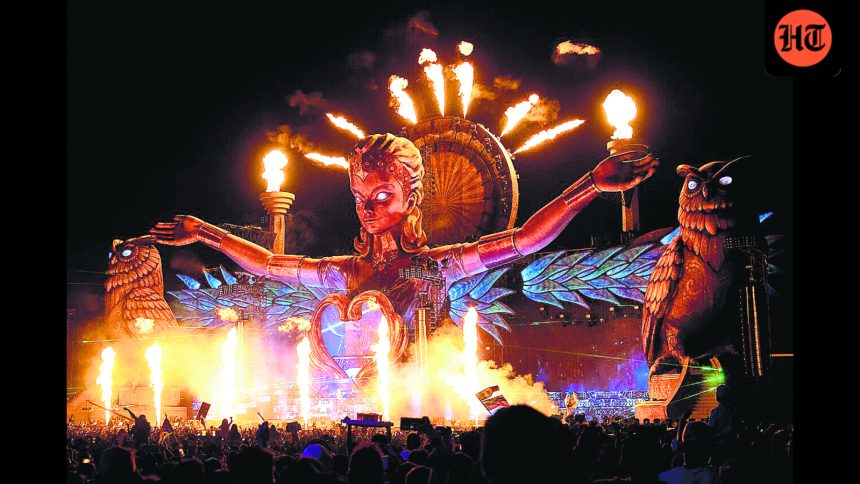
The Evolution of Nightlife: From Primitive Gatherings to Modern Revelry
Harnessing Fire: The Dawn of After-Dark Socialization
Since the discovery of fire, humanity has reveled in the magic of the night, transforming darkness into a canvas for social connection and celebration. This primal technological leap allowed our ancestors not only to stave off predators but also to gather and indulge in communal activities, making way for the earliest forms of nightlife. With the light of the fire, revelry could unfold in safety, paving the way for cultural exchange, storytelling, and the communal feast—activities that would weave the social fabric of human life.
The Birth of Taverns and Social Spaces
As civilizations grew, so did the need for structured venues that catered to socializing after the sun had set. The earliest known tavern, recently unearthed in Iraq, dates back almost 5,000 years, illustrating how early urban life necessitated spaces for relaxation. Archaeologists speculate that patrons gathered here for beer, dates, and dried fish, enjoying a reprieve from their daily labor. These establishments weren’t just about quenching thirst—they symbolized an escape from the oversight of the elite, offering a sense of freedom and camaraderie to the working classes.
From Gathering to Cultural Innovation
Historians and cultural innovators note that this initial form of nightlife sparked a trend—a restless culture poised on the borders of rebellion, commerce, and artistry. London-based culture historian Imogen Willetts illustrates that nightlife has always been more than mere entertainment; it has been a catalyst for cultural innovation. “We crave spectacle and novelty,” Willetts explains, pointing out how nightlife continually challenges and reshapes societal norms and conventions.
The Nightlife Renaissance: A Cultural Melting Pot
The historical significance of nightlife can be traced through various cultural movements:
- Jazz, born in New Orleans’ vibrant dancehalls, shattered societal conventions during an era marred by segregation, providing a platform for free expression and artistic exploration.
- The cancan and cabaret, emerging in 19th-century Paris, transformed traditional dance into a bold and provocative statement, showcasing the desire for self-expression and rebellion against societal restraints.
- Disco culture, which flourished in the 1960s, created safe spaces for marginalized communities, revolutionizing societal views on sexuality and identity while influencing technology and style.
- Dadaism emerged in Zurich during World War I, rooted in nightclub culture, challenging the rationalist paradigms of art and society with absurdity and chaos—an artistic revolution sparked by the very essence of nightlife.
Nightlife as Organized Rebellion
Willetts’s book, Up All Night: A History of Going Out, traces the arc of nightlife as an organized rebellion, starting with 17th-century Japan’s Edo period. It highlights how the nocturnal realm flourished as a sanctuary away from the rigid expectations of polite society. Unlike earlier religious rituals, these secular gatherings provided new leisure activities and a chance to experience freedom after the day’s toil.
Edo and the Intricacies of Nightlife
Edo, the historical heart of Japan (modern-day Tokyo), was characterized by its vibrant nightlife despite the risk of fire from open flames. Under the rule of the Tokugawa shogunate, night watchmen prowled the streets, giving rise to establishments like the famed Yoshiwara, which thrived under both the shogunate’s constraints and the burgeoning urban culture. Here, teahouses, theaters, and brothels prospered, serving as platforms for artistic expression and challenging rigid social hierarchies.
The Pleasure Gardens of London
By the 18th century, nightlife was not just confined to the East. Entrepreneurial spirits in London began leasing massive gardens from the landed gentry, creating spaces where the common folk could revel in entertainment—spectacles that included acrobats, dancers, and fireworks. These pleasure gardens catered to the burgeoning urban populace, who sought escapism from the harsh realities of city life.
Fast Forward: Modern Nightlife Landscapes
In today’s context, vibrant cities like New York, Berlin, Paris, and Mumbai have crafted their identities around dynamic nightlife districts filled with art, culture, music, and gastronomy. The mantra of “come as you are” encapsulates the spirit of inclusivity and acceptance, inviting creative expression and the exploration of identity.
The Sociological Underpinnings of Nightlife
Nightlife is also steeped in sociological importance. Emile Durkheim termed a phenomenon known as “collective effervescence,” which describes the euphoric feeling derived from shared experiences—be it at a concert, a sports event, or in a crowded bar. This emotional high has transitioned from religious rituals to secular experiences, allowing modern societies to find connection in nightlife amidst diminishing religious affiliations.
Post-War Revelry and the Rise of Las Vegas
After World War II, the nightlife industry exploded, particularly in the US, with Las Vegas emerging as the epicenter of extravagant entertainment. This modern playground transformed the nightlife landscape, creating a 24/7 party ethos complete with casinos and elaborate shows designed to entice patrons to lose themselves in the spectacle of endless enjoyment.
Contemporary Challenges in Nightlife Culture
Fast forward to the present, and the vibrancy of nightlife faces challenges. The rise of digital technology has changed social interactions, with smartphones making home entertainment more appealing, often at the expense of nightlife participation. Economic uncertainties have further contributed to a decline in traditional nightclub culture. Recent statistics reveal a staggering drop in nightclubs across Europe, indicating a shift in leisure preferences.
The Rise of Alternative Nightlife Experiences
Today, new trends have emerged that reflect changing cultural desires. Coffee raves and sober parties offer inclusive environments where individuals can connect without the pressures of traditional nightlife. These morning gatherings in cities worldwide—championed by younger generations—suggest a return to authenticity, prioritizing genuine social experiences over performative nightlife.
The Future of Nightlife
As work patterns evolve and blurring lines between day and night redefine socialization, the potential for new nightlife experiences grows. While some speculate about transformations in urban spaces like abandoned shopping malls or empty office buildings becoming nightlife hubs, the core remains: a collective desire to connect, celebrate, and express.
In this ongoing dance with culture, society continues to mold its nightlife based on the diverse and ever-changing tapestry of human experience.



