
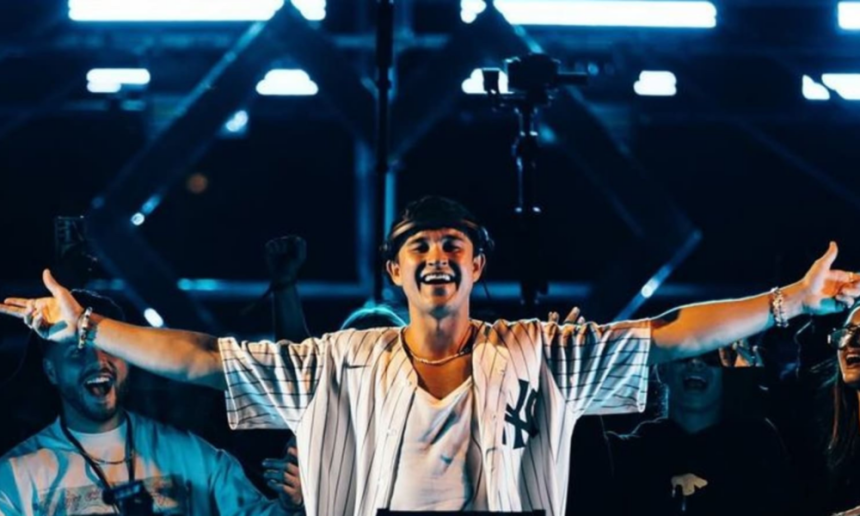
Calvin Harris Makes History at Rock in Rio 2026
On September 6, 2026, the renowned DJ and producer Calvin Harris etched his name into the annals of music history by becoming the first DJ to close the iconic Palco Mundo stage as a headliner at the prestigious Rock in Rio festival. This momentous occasion marked his debut performance at the festival, coinciding perfectly with the 25-year anniversary of electronic music’s official introduction at Rock in Rio. Looking back, it’s remarkable to see how electronic music’s presence has evolved from a modest tent to the festival’s largest platform.
Electronic Music’s 25-Year Journey at Rock in Rio
The inclusion of electronic music at Rock in Rio started back in 2001 when a dedicated tent was introduced, affectionately termed the electronic music stage. This marked a transformative moment for the festival, which, for many years, had paraded rock acts as its mainstay. While the broader festival began to branch out, the electronic tent provided a much-needed space for DJs and electronic artists, paving the way for future innovations like New Dance Order—a dedicated electronic music stage that would later see remarkable growth.
Fast forward to 2026, New Dance Order’s sheer scale stood as a testament to the genre’s burgeoning popularity. The stage boasted impressive dimensions, measuring 56.5 meters in width and 22.5 meters in height, adorned with more than 500 square meters of LED panels. In a festival that has broadened its horizons, electronic music finally earned its rightful place, prominently featuring artists not just confined to New Dance Order but appearing throughout the festival, including prominent names like Alok, who performed on the main stage, Palco Mundo.
Prior to Harris’s historic closing slot, influential figures in electronic music like David Guetta, Alok, and Marshmello had graced Palco Mundo, showcasing the slow yet steady evolution of dance music within the festival’s lineup. These pioneers played a crucial role in creating a pathway that led to Harris’s groundbreaking moment—a culmination of years of growth and recognition for the genre.
The Diverse Lineup of Rock in Rio 2026
The festival in 2026 brought forth an eclectic lineup representing various genres, including rock, pop, hip-hop, K-pop, and of course, electronic music. Legendary headliners such as the Foo Fighters, Avenged Sevenfold, Elton John, Maroon 5, Stray Kids, and Twenty One Pilots shared the stage with Harris, reflecting the dynamic nature of Rock in Rio’s programming. Each act contributed to a diverse tapestry of musical experiences that captivated audiences, making Calvin Harris’s closing performance all the more significant.
Calvin Harris’ Unforgettable Set
During his much-anticipated set, Calvin Harris’s setlist resonated with fans and festival-goers alike, blending electronic beats with mainstream pop sensibilities. Known for his collaboration with megastars such as Rihanna, Dua Lipa, Ellie Goulding, and The Weeknd, Harris delivered some of the most recognized dance anthems of the past two decades. Tracks like “One Kiss,” “This Is What You Came For,” and “How Deep Is Your Love” were among the crowd favorites, reminding everyone of his prominent place in both the electronic music landscape and mainstream charts.
The energy during his performance was nothing short of electric. As fans danced to his infectious beats, Harris managed to showcase the journey of electronic music while connecting deeply with the audience. The set felt like a celebration—a reflection of how far the genre has come and its newfound prominence in a festival that started as a rock-centric event.
A Milestone for Electronic Music at Rock in Rio
Calvin Harris closing Palco Mundo was not just a career highlight; it symbolized a celebration of electronic music’s impact over the last 25 years. The festival’s journey from a small tent in 2001 to now hosting a DJ as its closing act encapsulates a broader cultural phenomenon—electronic music has affirmed itself as a cornerstone in global music festivals.
As fans exited the arena after Harris’s electrifying set, it was clear that the festival had successfully merged its roots with contemporary trends. What once began as an experiment in 2001 had blossomed into a celebration of diversity in music that transcends genres, ensuring that electronic music will continue to have a prominent voice at Rock in Rio for many years to come.