
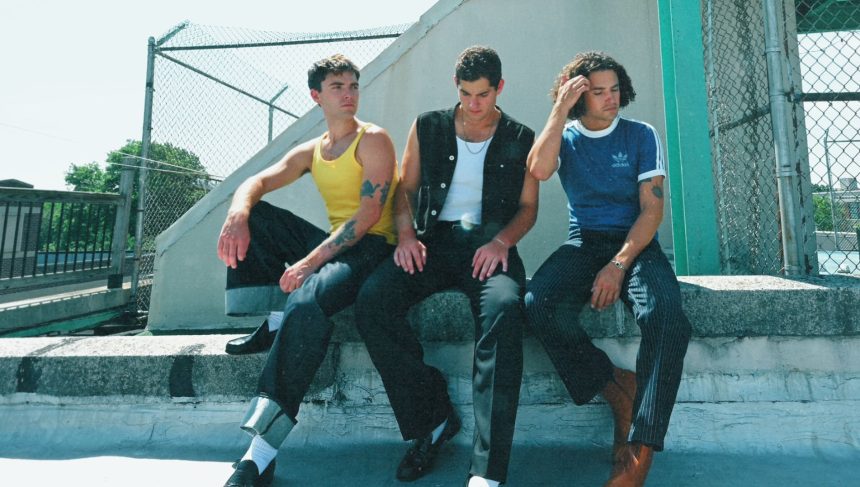
New York indie disco band Supertaste is set to release their sophomore album, Jubilance, on December 11 through Nettwerk Music Group. This album marks a significant shift in their musical approach compared to their debut album, Supernova, as they have integrated more live instrumentation into their electronic sound. The new record was developed in a studio located in Tennessee’s Blue Ridge Mountains, where the band experimented with arrangements involving live drums, guitars, and synthesizers alongside electronic production techniques.
Evolution of “Not Letting Go”
One of the standout tracks on Jubilance is “Not Letting Go,” originally a demo recorded in 2020. The song features a melodic phrase created using a Moog Sirin synthesizer and an Electro-Harmonix Memory Boy delay pedal. When the band revisited this track during the album’s recording sessions, they chose to retain the original spoken-word verses and synth lead, creating a blend of new and archival material.
Recording Approach Explained
In an installment of Magnetic Magazine’s “How It Was Made” series, Supertaste detailed their recording process for “Not Letting Go.” They utilized a mix of hardware synthesis, analog delay, saturation, and compression, explaining the importance of preserving earlier performances instead of opting for cleaner versions. The focus on capturing quick performances while allowing for some imperfections showcases their commitment to maintaining an organic feel in their music.
Key Equipment and Techniques
The Moog Sirin synthesizer, a compact and versatile instrument, plays a crucial role in Supertaste’s sound. Its character is enhanced by running it through the Memory Boy pedal to create depth and warmth. The band emphasizes the importance of quickly capturing ideas, ensuring that the spontaneity and human aspects of their recordings remain intact.
Utilizing VST Effects in Production
Supertaste also discusses their use of plugins like XLN Audio’s RC-20 Retro Color, which adds saturation and character to their sounds, and Aberrant DSP’s SketchCassette II, known for its tape emulation and saturation capabilities. These effects allow the band to create a rich and textured sound while maintaining efficiency in their workflow, avoiding excessive tweaking that could disrupt their creative momentum.
Crafting the Indie Disco Sound
The band shares quick tips for aspiring indie disco producers, encouraging the use of live instruments and fostering a collaborative environment. They emphasize the significance of studying funk bass history and understanding the roots of disco music as essential components of achieving an authentic sound.
More electronic music news on BEATMAG TV.