
Breathe: The Technological Dance Revolution of The Prodigy
In 1996, The Prodigy released a track that would not only redefine their career but also impact the music landscape profoundly—Breathe. This song marked a pivotal transition for the band, propelling them from the underground rave scene into the global limelight. Featured on their acclaimed album The Fat of the Land (1997), Breathe melds elements of electronic, punk, and hip-hop, setting the stage for a new kind of musical experience.
The Transition from Rave to Chart Dominance
Released during a time of cultural upheaval, Breathe represents more than just a dance anthem; it’s a sonic manifesto that encapsulates the unease and rebellious spirit of a generation. The Prodigy, often compared to the iconic Sex Pistols, encapsulated the frustrations and tensions of youth disillusionment in the late 20th century. Liam Howlett’s brilliance shines as he deftly blends aggressive beats with catchy hooks, creating an infectious energy that resonated globally and established the band as one of the primary exponents of big beat.
Samples and Rhythms in Breathe
At its core, Breathe showcases a meticulously crafted Wall of Sound. Howlett strategically uses drum breaks from a Thin Lizzy track, enhancing its intensity through judicious processing. The result is a rapid, layered composition filled with industrial noises and sharp electronic beats that deliver an unapologetically intense auditory experience. One imaginative choice in the arrangement is the inclusion of a sword-drawing sound—a percussive nod borrowed from the Wu-Tang Clan. This element injects raw aggression into the track, punctuating transitions with a chillingly precise rhythm.
The Voices of Breathe
The vocal dynamics in Breathe elevate its intensity. Featuring frontmen Keith Flint and Maxim, their contrasting voices create a palpable tension, reminiscent of a mental duel. Flint’s insistent rallying cries like “Breathe the pressure” juxtaposed with Maxim’s frantic urgency, propel the song into a maddening state. The lyrics delve deep into themes of alienation and paranoia, using terms like “psychosomatic” and “insane” to reflect a profound psychological struggle that resonates with listeners. This thematic depth transforms Breathe from an ordinary dance track into a haunting exploration of mental turmoil.
The Visual Impact: Directed by Walter Stern
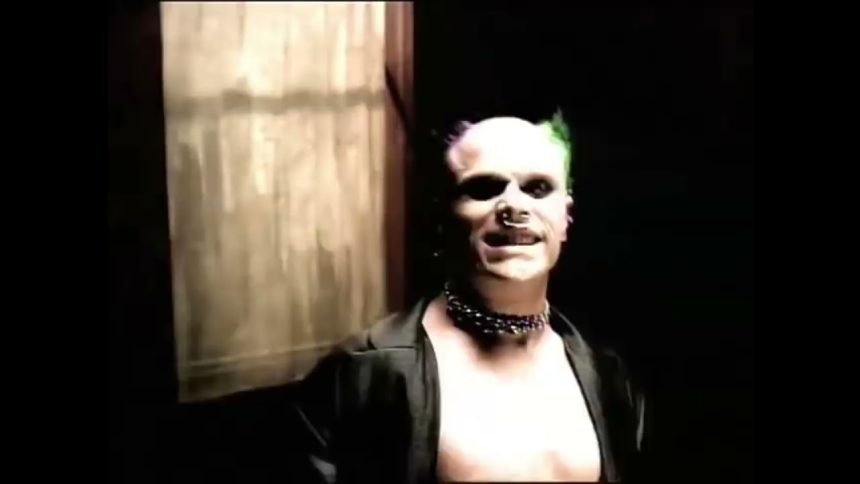
The music video for Breathe, directed by Walter Stern, plays a crucial role in amplifying the song’s impact. Through gritty visuals and sepia tones, the video translates the sonic aggression of the track into an arresting visual narrative. The claustrophobic settings exude a sense of foreboding, complemented by unsettling imagery involving animals that heightens the song’s lyrical themes. Stern’s direction ensures that Breathe becomes a multisensory experience, where sound and vision coalesce to amplify the raw emotions evoked by the music.
Cultural Significance and Legacy
Breathe not only solidified The Prodigy’s place in music history but also encapsulated the zeitgeist of the 1990s. It transcended the boundaries of traditional electronic music, infusing it with punk’s rebelliousness and hip-hop’s rhythmic intricacies. The track stands as a testament to how technology and creativity can converge to articulate the profound anxieties and expressions of an era, making it an enduring piece that continues to resonate with audiences today.
This blend of frenetic energy and meaningful content positions Breathe as a cornerstone of the electronic dance genre, ensuring its longevity in the cultural landscape.