
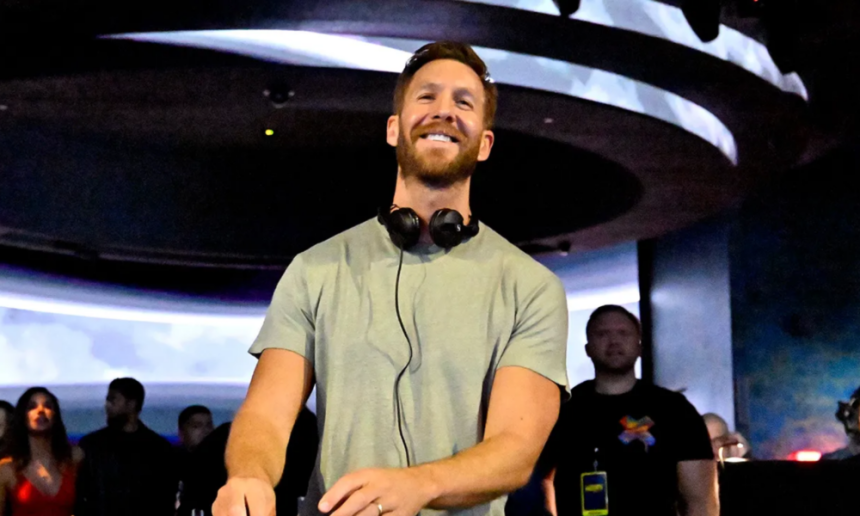
Calvin Harris: A Historic Moment at Rock in Rio 2026
On September 6, 2026, Calvin Harris forever etched his name in the annals of musical history by becoming the first DJ to close the iconic Palco Mundo at Rock in Rio. This monumental achievement coincided with his inaugural performance at the festival, marking a significant milestone precisely 25 years since electronic music was first given a dedicated space at Rock in Rio. What began in 2001 as a modest electronic music tent has transformed into a massive stage that now represents the vibrant evolution of electronic music over two and a half decades.
Electronic Music’s 25-Year Journey at Rock in Rio
The journey of electronic music at Rock in Rio is nothing short of fascinating. Back in 2001, the festival took a bold step by introducing a dedicated electronic music tent, allowing DJs and electronic artists to showcase their talents in their own distinct area within Cidade do Rock. This initiative was part of a broader effort to diversify the festival’s offerings beyond its rock-centric roots. Over the years, electronic music has cemented its place in the festival fabric, evolving from a segregated tent to the prestigious New Dance Order stage, which has become a symbol of the genre’s significance within the festival’s lineup.
The transformation from that initial tent to the grandeur of New Dance Order by 2026 is indicative of the changing tides in music. The staging was a colossal 56.5 meters wide and stood 22.5 meters tall, adorned with more than 500 square meters of LED panels, captivating audiences with dazzling visuals and cutting-edge production. Furthermore, top DJs were not confined to one stage; they were an integral part of the entire festival’s experience, with the likes of Alok gracing Palco Mundo alongside headliners from various genres.
The Road to Closing Headliner
Before Calvin Harris took the reins as closing headliner, the likes of David Guetta, Alok, and Marshmello had already graced the Palco Mundo stage, paving the way for DJs to gain significant recognition within the festival’s hierarchy. While their performances showcased the burgeoning acceptance of electronic artists, 2026 marked a turning point where a DJ was fully entrusted with the final closing slot. This pivotal moment underscored the incredible strides that electronic music has made, culminating in Calvin Harris’s headline performance.
Harris’s booking harmoniously fit into Rock in Rio’s eclectic 2026 lineup, which united rock, pop, hip-hop, K-pop, and electronic music across its seven thrilling days. The festival welcomed renowned headliners such as Foo Fighters, Elton John, and Twenty One Pilots, each bringing their unique flair to the stage. Yet, it was Calvin Harris’s turn that truly highlighted the prominence of electronic music within this diverse musical tapestry.
Calvin Harris’ First Rock in Rio Headline Set
Calvin Harris’s debut set at Rock in Rio was a celebration of electronic music intertwined with global pop influences. Known for his collaborations with iconic artists such as Rihanna, Dua Lipa, and The Weeknd, Harris has produced an array of chart-topping dance hits that have not only defined his career but also captivated festival crowds worldwide.
During his set, he channeled the spirit of his most successful tracks, delivering an unforgettable performance that included hits like “One Kiss,” “This Is What You Came For,” and “How Deep Is Your Love.” These tracks resonate not only in the clubs but also hold a beloved place in the hearts of music lovers, making them perfect for a festival setting. Harris’s ability to blend explosive beats with catchy melodies was on full display, showcasing why he has become a household name in the realm of electronic music.
A Defining Moment for Electronic Music
As the lights dimmed and the crowd erupted into cheers, Calvin Harris standing as the closing act on Palco Mundo represented more than just a personal triumph; it symbolized the culmination of 25 years of electronic music’s journey at Rock in Rio. What began as a modest electronic music tent has developed into a significant cultural phenomenon, reclaiming its place at the forefront of the music festival scene.
Harris’s historic closing set bridged the gap between the early days of the festival’s electronic roots and the monumental presence it now holds, solidifying electronic music’s legacy at Rock in Rio. It was a testament to the genre’s evolution and its undeniable integration into the mainstream music landscape, demonstrating that the beats that once echoed in a small tent now resonate on the grandest stage of them all.



