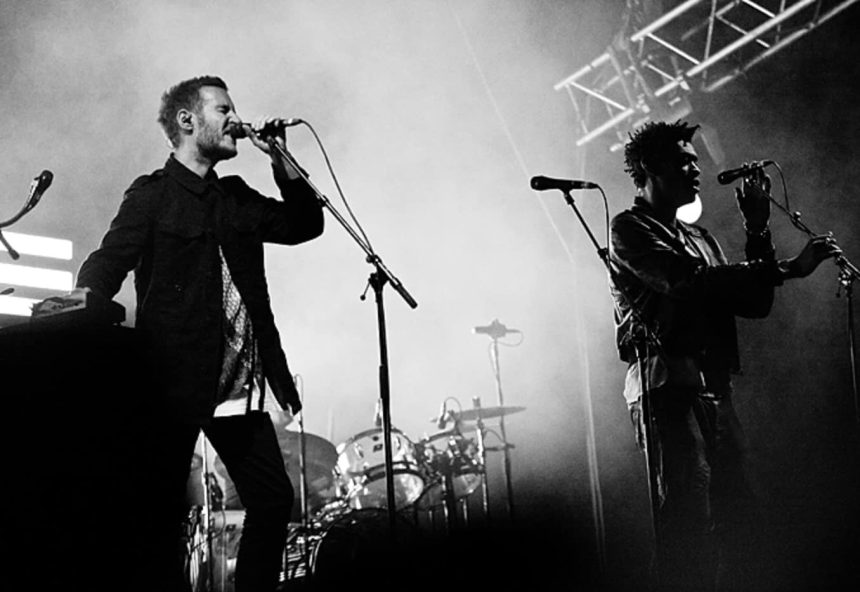
The Impact of Massive Attack’s ‘Blue Lines’ on British Music: A 35-Year Retrospective
Thirty-five years ago today, Massive Attack released ‘Blue Lines’, a debut album that would quietly reshape the sound of British music for decades to come. Released in April 1991, the record arrived before the term trip-hop even existed, yet it managed to carve out a unique niche that resonated deeply with listeners and left a lasting impact on the music landscape.
A New Sound Emerges
The beauty of ‘Blue Lines’ lies in its audacious blending of genres. This Bristol collective combined hip-hop rhythms with elements of soul, dub, reggae, and electronic textures, cultivating a sound that was both innovative and reflective. By doing so, they created something entirely new—music that transcended dance floors and spoke to the heart. The slower, mood-driven sound defined the emerging Bristol scene and would later influence a global array of artists across various genres.
Roots in the Wild Bunch
Massive Attack’s origins can be traced back to The Wild Bunch, a Bristol sound system collective, which included prominent figures like Daddy G, 3D (Robert Del Naja), Tricky, and producer Nellee Hooper. Their shared background in DJ culture and sampling laid the foundation for ‘Blue Lines’. The album layered breakbeats, atmospheric production, and soulful vocals to create a style that felt deeply cinematic—immersive and alive.
Daddy G succinctly articulated the group’s vision, stating, “What we were trying to do was create dance music for the head, rather than the feet.” This quote encapsulates the essence of ‘Blue Lines’—it was designed for contemplation as much as it was for movement, featuring slow-burning grooves that invited listeners to reflect and engage emotionally.
Standout Tracks
At the core of the album lies ‘Unfinished Sympathy’, which features the breathtaking vocals of Shara Nelson. This sweeping orchestral track has become one of the most celebrated electronic songs ever produced. It showcases the emotional depth that Massive Attack was able to imbue into their music, striking a chord with many who experienced it.
Other notable tracks such as ‘Safe from Harm,’ ‘Daydreaming,’ and ‘Be Thankful for What You’ve Got’ further established the sonic blueprint that future artists like Portishead, Tricky, and Morcheeba would explore. Each song captured a different facet of emotion, weaving narratives that listeners could connect with on multiple levels.
Enduring Legacy
More than three decades later, ‘Blue Lines’ still resonates, reminding us that electronic music can evoke emotional depth, social awareness, and musical ambition. The album did not just help launch the trip-hop genre; it also expanded the horizons of what electronic music could achieve. It emphasized that beats could be both danceable and thought-provoking, inviting listeners into a realm where basslines mingle with heartfelt lyrics.
The atmospheric richness of ‘Blue Lines’ marked a turning point not only for Massive Attack but for the entire music industry. It highlighted the power of collaboration and the magic that could happen when artists from diverse backgrounds come together to create.
The Cultural Impact
Blue Lines became a cultural touchstone, influencing the way music was produced and consumed in the years that followed. It inspired not just musicians but sound technicians and producers who began to explore the intersection of diverse musical elements. Tracks from this album continue to be sampled, covered, and reinterpreted, ensuring its standing in modern music dialogue.
In many ways, Massive Attack’s debut serves as a reminder of the rich tapestry of influences in the music world and how new genres can emerge through innovation and experimentation. ‘Blue Lines’ is proof that great art has the power to transcend time, connecting with listeners on a fundamental level and leaving an indelible mark on cultural history.