
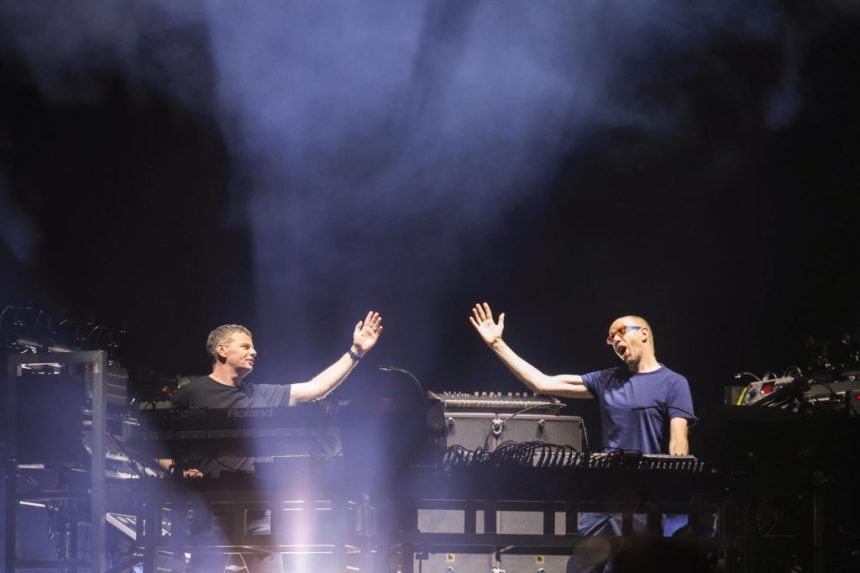
The Streaming Resurgence of The Chemical Brothers’ “Go” After Its “Apex” Feature
The landscape of music consumption is ever-changing, often interlinked with film and television narratives that catapult songs into the limelight. A recent example of this phenomenon is The Chemical Brothers’ track “Go,” which experienced an astonishing 429% increase in streaming following its incorporation into the Netflix thriller, Apex.
Streaming Surge: Numbers Tell a Tale
Following the film’s release on April 24, viewers flocked to the streaming platforms, leading to a staggering boost in “Go’s” performance. In the week leading up to the film’s debut, the song was averaging between 13,000 to 14,000 daily streams in the U.S. However, after its feature in Apex, those numbers rocketed to 487,000 total U.S. on-demand streams between April 24-30, according to data from Luminate. The release garnered a whopping 92,000 on-demand streams from April 17-23 before the film’s launch—a clear indicator of how a well-placed song can capture the attention of audiences, driving interest in both the music and the film.
Chart Performance: Climbing the Ranks
Not only did the song witness a dramatic increase in streaming, but it also climbed the charts. As of recent reports, “Go” stood at the impressive position of No. 5 on the Dance Digital Song Sales chart, underscoring its revival thanks to its cinematic debut. Such chart performances are vital markers, demonstrating how connections between media can enhance a song’s visibility and sales.
A Pivotal Scene in Apex
The placement of “Go” in Apex is not merely incidental; it plays a crucial role in the film’s narrative. The track underscores a tense moment where the heroine, Sasha (portrayed by the talented Charlize Theron), is on the run from the villain Ben, played by Taron Egerton. The unique twist? Ben tells Sasha she has until the end of “Go” to escape before he hunts her down, amplifying the song’s tension and urgency within the storyline. Such strategic placements highlight the symbiotic relationship between music and film, where sound not only enhances the visual experience but also solidifies emotional connections for the audience.
The Creative Process Behind the Music Placement
Fascinatingly, the incorporation of “Go” was influenced directly by Egerton. In conversations regarding the film’s score, the director Baltasar Kormákur revealed that the original script merely mentioned a countdown of ten minutes. During brainstorming sessions, however, Egerton suggested using a song, paving the way for the dynamic inclusion of “Go.” Initially, there was some hesitation regarding the selection of the track, but Kormákur’s confidence in the song prevailed. Ultimately, the collaboration of ideas not only proved effective but has become a talking point for audience reaction, showing the importance of creativity in film.
Background of the Hit
“Go,” featuring Q-Tip’s standout vocals, originally dropped in May 2015 as the second single from The Chemical Brothers’ eighth studio album, Born in the Echoes. Despite its initial release in 2015 which saw it peaking at No. 40 on the Hot Dance/Electronic Songs chart, its resurgence in 2023 emphasizes the timeless appeal of the track. The fusion of electronic beats with Q-Tip’s distinctive style creates a dynamic listening experience that continues to resonate, proving that good music transcends time.
Current Popularity and Cultural Impact
As of now, Apex is riding high, holding the top position in Netflix’s weekly global films chart. The film’s success, intertwined with the revival of “Go,” showcases the powerful impact of music in enhancing cinematic storytelling. In a world where media and entertainment are increasingly interconnected, the ripple effects of a song’s placement can extend far beyond its initial release, drawing new audiences and providing both artists and filmmakers a unique opportunity to explore collaborative horizons.
Thus, the story of “Go” serves as a compelling case study on how strategic song placements can utilize existing works to create newfound relevance and enjoy sustained popularity. In a cinematic landscape continuously evolving, this dynamic unfolds as a testament to the enduring synergy between music and film.