
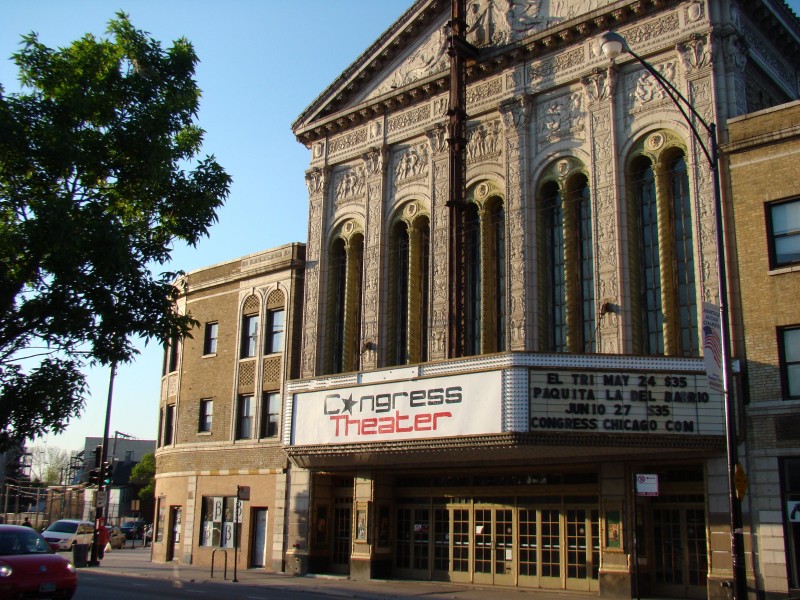
The Ban on Electronic Dance Music: A Chicago Controversy
Introduction
In a surprising turn of events, Eddie Carranza, owner of the iconic Congress Theater in Chicago, has agreed to a ban on all future Electronic Dance Music (EDM) shows at the venue. This decision follows a series of troubling incidents that led to the theater’s shutdown and revocation of its liquor license. The unfolding story raises significant questions about safety, management, and what this means for the EDM scene in a city that has long been a hub for electronic music.
Background of the Ban
The Congress Theater, a storied venue with a capacity of 5,000, lost its liquor license following an investigation by the Chicago Police Department’s Vice unit. The investigation uncovered alarming practices among the security staff, including allegations of staff seizing drugs from concertgoers only to resell them. Perhaps more disturbingly, reports surfaced of severe beatings meted out by security personnel, compounding the theater’s troubling history.
Issues intensified during various performances, including accusations of allowing underage attendees into events and failing to swiftly call emergency services during violent incidents, such as a brawl at a Chief Keef concert. These revelations prompted the Chicago Liquor Control Commission (CLCC) to take significant action, culminating in the ban on EDM events.
City Officials’ Concerns
Gregory Speadman, a commissioner with the CLCC, explained that the decision was less about the genre of music itself and more about the venue’s ability to safely manage large crowds. He stated:
“We’re not saying EDM is all bad, but in venues of this size — 5,000 seats — we don’t feel this is appropriate for the Congress.”
Speadman’s comments highlight a rising concern among city officials about safety at large-scale EDM events, shaping the narrative around the ban not as a critique of the genre, but of the venue’s management.
The Management Dilemma
According to Speadman, the real issue lies not with the artists or fans of the EDM genre but rather with Carranza’s management practices. He emphasized:
“It’s not the genre, it’s the way the owner handles the genre… Unfortunately, the Congress has a history of not being able to manage certain types of crowds.”
This perspective raises the question of accountability and the extent to which the venue owner should be held responsible for mismanagement, rather than penalizing an entire genre of music.
Legal Restrictions on Future Shows
The agreement reached between the City of Chicago and The Congress Theater explicitly prohibits any future owner from hosting EDM performances. The terms state that any future operators are bound by the same restrictions, thereby effectively closing the door on EDM events at this venue for the foreseeable future.
However, a potential loophole exists within the contractual language regarding what constitutes an EDM performance. The contract states:
“Performers that incorporate electronic beats or prerecorded music in their acts shall be allowed, provided those performers either sing vocals or play an instrument(s) (or do both) during their performance.”
This clause opens the door for artists who blend electronic music with live instrumentation, such as Pretty Lights, Tycho, or Big Gigantic, potentially avoiding the ban while still appealing to EDM fans.
Broader Implications for Music Genres
The broader implications of this ban extend beyond electronic music. It begs the question: should the genre itself be blamed for safety issues? For instance, the hip-hop genre has seen its share of controversy over the years. Should it also be singled out for intense scrutiny?
Much like EDM, hip-hop has both positive and negative representations, and a blanket ban would deny the positive contributions of artists within the genre. Similarly, a recent Keith Urban concert resulted in multiple hospitalizations, categorized as a mass casualty event—yet no one is calling for a ban on country music.
Conclusion
The ban imposed by the City of Chicago highlights not just the specific issues at The Congress Theater, but also poses larger questions about risk management, community standards, and the potential pitfalls of scapegoating a music genre rather than addressing the root causes of safety concerns. As Chicago continues to celebrate its rich musical heritage, particularly as the birthplace of house music, the focus may need to shift from broad bans to more effective management practices that can ensure safety across all genres and events.
With numerous alternative venues available, the city’s vibrant EDM scene may simply take its energy elsewhere. The lingering question remains: did Chicago go too far by targeting a specific genre of music without addressing the underlying operational issues?