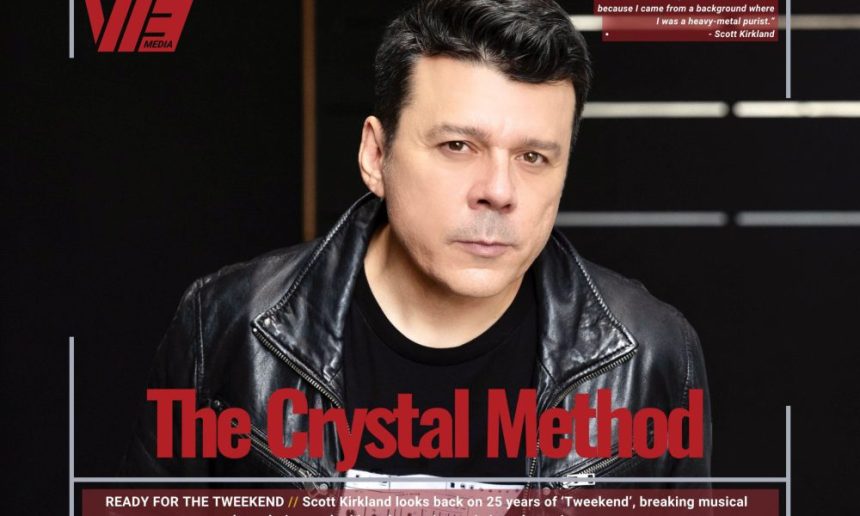
The Crystal Method: Revisiting the Legacy of ‘Tweekend’ 25 Years Later
A Landmark in Electronic Music
Twenty-five years after its initial release, The Crystal Method’s second studio album, Tweekend, continues to echo throughout the music landscape. Released in 2001 as a follow-up to their breakthrough album Vegas, Tweekend not only solidified the duo’s reputation but also marked a significant evolution in their sound. Collaborating with artists like Tom Morello of Rage Against the Machine and Scott Weiland of Stone Temple Pilots, the album pushed boundaries, weaving rock influences into electronic music. Hits like “Name of the Game” transcended the realm of music, appearing in films, television shows, and video games, solidifying The Crystal Method’s place in popular culture.
Embracing Evolution: The Creative Journey
Scott Kirkland, one-half of The Crystal Method, reflects on the drive to innovate during the album’s creation. After extensive touring for Vegas, Kirkland and his partner Ken Jordan returned to their Los Angeles studio, craving a fresh approach. “We didn’t want to make Vegas 2.0,” Kirkland explains, recognizing the changing world and their evolving selves. Influenced by genres like rock, funk, and hip-hop, they set out to craft a record that would expand their sonic horizons.
The duo found inspiration in unconventional spaces, revealing a deep-seated love for rare funk and rock music. Drawing on influences from their surroundings, they transcended traditional electronic music norms and embraced a more organic, collaborative process. Kirkland recalls a moment when they played demos for Mike Simpson of the Dust Brothers, whose reactions encouraged them to pursue their unique vision further, despite any initial skepticism from external critics.
Collaborations That Made an Impact
The involvement of Tom Morello and Scott Weiland marked pivotal moments in the album’s development. Morello’s contributions were more than just guest features; he became a crucial co-creator within the process, bringing his signature sound into the mix. Kirkland recounts how a spontaneous guitar riff from Morello became the foundation for “Name of the Game,” illustrating how collaborative energy can lead to unexpected brilliance.
Conversely, the collaboration with Weiland showcased a distance yet a strong creative bond. While they never met in the studio, technology facilitated a seamless partnership that resulted in captivating tracks. The duo’s ability to work with artists outside the electronic realm signaled a significant crossover between genres, changing the landscape of music at the time.
The Cultural Moment
At the turn of the millennium, the music industry was embracing new sounds and combining them in innovative ways. Electronic production techniques began permeating rock, hip-hop, and even pop music. Kirkland notes how groups like Linkin Park were fusing genres in ways that made The Crystal Method’s work feel prescient, as their journey with Tweekend helped pave the way for a future where beats and riffs blurred the lines between genres. Reflecting on the impact of their music, Kirkland expresses gratitude for the way Tweekend allowed them to reach beyond the traditional electronic audience and connect with rock fans by truly blending elements from both worlds.
Touring Against the Odds
The journey for The Crystal Method wasn’t always smooth sailing. Touring alongside bands like Korn and Limp Bizkit meant presenting their electronic sound to crowds that traditionally favored rock. Kirkland remembers feeling somewhat of an outsider at rock festivals but highlights their determination to win over skeptical fans. Their experience on tours was not just about the music; it became a test of resilience and confidence, where performing during challenging slots led to remarkable successes in connecting with audiences.
Kirkland reflects on how the reception from these festivals often started with skepticism but grew into acceptance as audiences gradually engaged with their sound. They became known not just for their music but for the energy and visual spectacle they brought to the stage, bridging gaps between different musical cultures.
Nostalgia and Reflection
As the album’s 25th anniversary approaches, revisiting Tweekend brings a wave of nostalgia for Kirkland. He and Jordan have gained perspective on their evolution as artists over the years. Listening back, Kirkland notes, “You can appreciate what you made while always hearing something you might do differently now.” This reflective practice helps them understand their past work while simultaneously acknowledging the growth they’ve achieved as musicians.
Kirkland shares insights into how the rapid advancement of technology altered their creative processes over the years. The organic qualities of the older recording methods, such as the use of DAT machines and live layering of sounds, stand in stark contrast to today’s editing capabilities. While their production technique has transformed, the essence of The Crystal Method remains intact.
Cultural Impact of Electronic Music
Name of the Game exemplifies a turning point for The Crystal Method, where electronic music bridged into mainstream culture. The album’s prominence in major video game soundtracks, notably FIFA ’98, propelled the duo into a wider audience. The unforgettable experience of playing their songs while touring with a team that announced their presence on the international gaming front adds a unique chapter to their story.
Kirkland recalls how exhilarating it was to see their music enhance visual experiences in film and gaming. Tracks often found their way into cinematic scenes, creating a multi-sensory experience that captivated audiences. The association of their sound with such major cultural moments added layers to their music, showcasing its effectiveness in narrative settings beyond just audio enjoyment.
The Evolution of Fans and Generational Connections
As time marches on, the music of The Crystal Method resonates differently for both long-time listeners and newer fans. Kirkland expresses how their shows now often see fans returning with their children, creating an incredible generational connection through music. This transmission of cultural legacy not only reflects the album’s lasting popularity but highlights the deep bonds formed through shared musical experiences.
The interconnectedness of older fans sharing music with their children fosters a rich narrative that ties together personal history and contemporary discovery. Kirkland finds joy in this phenomenon, which speaks to the enduring nature of music and the ongoing journey of artistic expression across generations.
A New Era of Remixes and Legacy
The continued interest in Tweekend surfaces with projects like Paul Oakenfold’s recent remix of “Name of the Game.” For Kirkland, recognizing the value in an artist’s reinterpretation of a classic track is not just an acknowledgment of their talent but also an understanding of the continuity of musical conversation. “You bring your own identity to the song without changing it so completely that the original becomes unrecognizable,” Kirkland explains, appreciating how remixes honor the past while infusing new life into beloved tracks.
In revisiting Tweekend a quarter-century later, The Crystal Method demonstrates the ever-evolving landscape of sound while maintaining a dedication to their roots. This celebration of nostalgia as well as a nod to the future ensures that both long-standing fans and new listeners can find their footing in the rich tapestry woven by Kirkland and Jordan. Their innovative spirit continues to inspire and prompt new generations of artists to explore the boundaries of genre, collaboration, and sonic experimentation.