
CROSSFADE: Saudi Arabia’s Electronic Music Evolution
As part of the collaboration with Amsterdam Dance Event (ADE) in anticipation of this year’s edition from October 21st to 25th, SceneNoise presents CROSSFADE—a five-part editorial series delving into the histories, challenges, and identities of electronic music in the MENA region. After exploring Egypt’s vibrant scene, we turn our attention to Saudi Arabia, a nation that has captured global headlines with its monumental investments across various sectors, including sports, entertainment, and culture. Amidst this ongoing transformation, electronic music has emerged as a central theme, raising vital questions about the impact of rapid change on an evolving music scene.
The Roots of an Underground Scene
For years, Saudi Arabia’s electronic music scene navigated the hidden corners of society—taking shape during intimate gatherings among friends, in the absence of clubs and formal venues. Celebrated events found people dancing in private spaces, building a musical community from the ground up. DJs collected records in their bedrooms, mixed tapes for friends, and harnessed whatever resources they could find to create a sense of belonging. As Ahmad Alammary, or Baloo, explains, “I don’t remember a Saudi that wasn’t musical.” Many, like Muhanned Nassar, known as Vinyl Mode, fondly recall their youth immersed in the sounds of trance and house music, often sourced through informal channels rather than mainstream outlets.
The Transition to Public Spaces
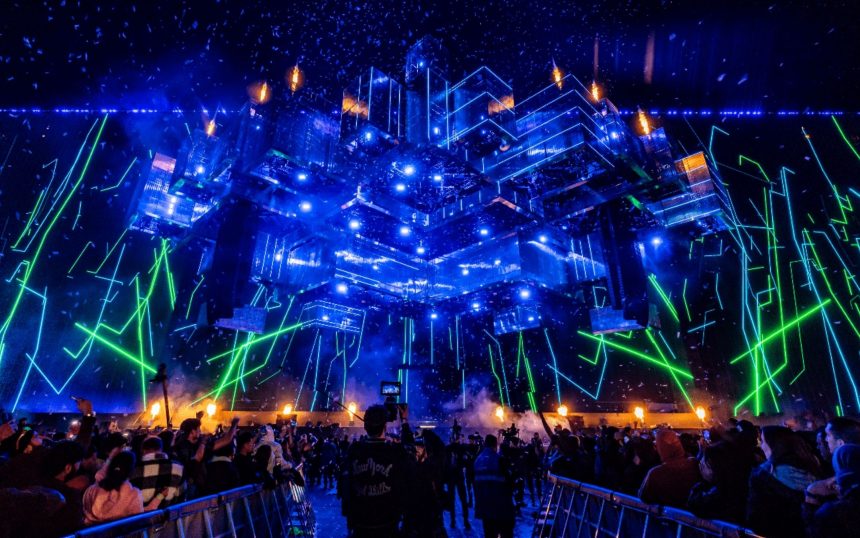
Fast forward to today, and Saudi Arabia has rapidly developed some of the largest electronic music festivals in the world. Soundstorm, created by MDLBEAST, epitomizes this transformation; in just three years, it expanded from a mere 400,000 attendees in its inaugural event to over 730,000 in 2021, showcasing a plethora of artists from around the globe, including a significant representation of local talent. However, while festivals such as Soundstorm may appear as beacons of the electronic scene’s rise, they mask a more complex history of underground roots and grassroots development.
The evolution of Saudi Arabia’s music landscape is not simply about the inception of festivals; it exists within a broader sociocultural context influenced by the establishment of the General Entertainment Authority in 2016 and the subsequent opening of public entertainment. These significant changes allowed music to permeate public spaces, enabling international artists to perform and empowering a burgeoning local music community to emerge.
Building Infrastructure Amidst Cultural Transformation
As Saudi Arabia’s music scene blossoms, it is essential to recognize the difference between mere entertainment and the development of a sustainable music economy. The government-backed Music Commission has taken steps to build a professional infrastructure that includes educational initiatives in music, production, and artist management. Programs like Music Compass, launched in 2025, focus on creating long-term career pathways for artists, a critical move as the industry finds its footing.
Despite this rapid development, there remains a struggle to balance the influx of international acts with nurturing local talent. Independent initiatives have sprouted alongside larger commercial entities, demonstrating the diverse approaches to music promotion. Collective efforts by emerging businesses help to ensure that the flourishing music industry does not solely rely on the overwhelming presence of international influences.
The Significance of Local Narratives
The Saudi electronic music scene is eager to assert its identity against the backdrop of overwhelming rapidity. The culture is still learning how to navigate a newly opened landscape that’s flooded with multi-genre music and international DJs. As Baloo observes, this gives local artists a unique advantage, as they often resonate more authentically with the tastes and preferences of Saudi audiences.
Yet, this rich cultural backdrop does not create an automatic path for local artists’ success. Vinyl Mode points out that the emphasis on international bookings can inadvertently create a narrative that prioritizes overseas talent over emerging local DJs. While the growth of festivals introduces the Saudi audience to a range of electronic styles and genres, it also presents challenges for new artists seeking a foothold in a crowded market.
The Path Forward: Cultivating Local Talent and Unique Sound
Despite these difficulties, Saudi Arabia’s electronic sound is poised for international recognition. Established acts like Dish Dash have already made the leap onto global stages, demonstrating that there is a profound resonance to Saudi artistry. As artists delve into their distinct musical traditions and regional influences, they create sounds that reflect their unique cultural experience, blending both local heritage and global electronic music trends.
The unfinished task is to seamlessly integrate these influences and build an audience that not only supports but actively engages with local talent. As communities evolve, they cultivate their preferences, leading to a more substantial and varied local music scene. The emerging infrastructure, while impressive, should focus on promoting smaller, independent events that reinforce community, invite experimentation, and push musical boundaries.
The Cultural Learning Curve
As Saudi Arabia’s electronic music scene continues to grow, the audience, too, must navigate its own transformation alongside the music industry. Many people are becoming conversant with the nuances of different electronic genres while learning to appreciate the spectrum of artists. Yet, as Ghazzawi points out, there is still a challenge in audience members sometimes arriving with fixed expectations based solely on a DJ’s name—a symptom of a culture that is still learning.
Baloo notes that broader cultural shifts are necessary to reshape societal perceptions around nightlife, especially regarding women attending parties. Time will play a crucial role as the infrastructure matures and audiences become familiar with the rhythm of public expression.
Balancing Speed with Cultural Depth
Saudi Arabia swiftly established a robust music industry, but the deeper cultural aspects that define authenticity and independence require attention. The music scene is still developing, and while major festivals can attract global talent and immerse audiences in new experiences, they must lead to sustained engagement with local sounds and artists. Only through patience and communal involvement can the industry truly thrive and develop its own unique voice.
Overall, Saudi Arabia stands on the brink of a remarkable transformation in its electronic music landscape. As independent collectives flourish and local artists ascend toward international exposure, the Kingdom acknowledges that while infrastructure can shift rapidly, genuine cultural evolution takes time—a commitment to nurturing the sound of the MENA region as it resonates worldwide.