Raving Beyond 40: The Electric Resurgence of Adult Dance Culture
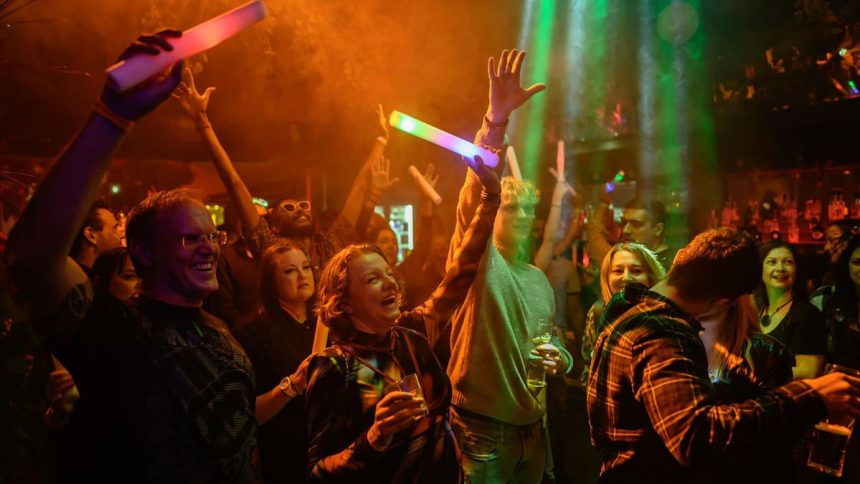
Laser beams crisscross a Wellington bar, illuminating a vibrant tapestry of dancing bodies moving to the pulsating rhythms of electronic dance music. While one might expect a younger crowd, it soon becomes clear that this gathering is far from typical; the average age here is over 40. Welcome to a new era of raving, where adults are reclaiming the dance floor and redefining what it means to party as we age.
DJ Halo: Cultivating Community Through Beat Drops
At the heart of this lively atmosphere is Michelle Harris, better known as DJ Halo. A part-time kindergarten teacher by day, Harris has been spinning records for 26 years. With her striking blue hair, tattoos, and piercings, she embodies a youthful spirit that transcends age. “There’s a lot of social connection going on,” she notes, emphasizing the feeling of oneness that raving fosters.
Two decades after her prime as a DJ, Harris became a teetotaller and began hosting her own events, dubbed “Little Monsters” nights. These gatherings, described as “monstrous fun on the dance floor,” are underlined by a commitment to creating safe and supportive environments. “Drinking to excess or harassment isn’t tolerated,” she assures, setting a welcoming tone for revellers of all backgrounds.
The Dance Chronicles of Baz Bailey
Among the patrons is Baz Bailey, a former cancer patient who discovered the rave scene at age 56. Initially seeking healing and connection, Bailey stumbled upon a Little Monsters night and found himself captivated. “I loved the loud music, the raving, the friendly vibe,” he recalls. Today, at 64, he continues to dance despite health challenges that have slowed him down.
Bailey reflects on the surprising interactions he has with younger partygoers who often ask for selfies, intrigued by his age and enthusiasm. “I love it, and I’m at the age where I don’t give a damn what people think anyway,” he quips. His experience underscores a shift where older ravers are free from the societal pressures often felt by their younger counterparts.
The Diverse Rave Family
The appeal of raving in Wellington is not limited to the over-40 club. While the majority might be from older generations, a sprinkling of younger attendees enriches the scene. This intergenerational blend cultivates friendships and connections that seem to defy conventional nightclub stereotypes.
Tony Murdoch, a former record store owner, epitomizes this blend of community and camaraderie. Now in his 60s, he relishes the late-night adventures and social connections that come with raving. Fellow dancer Jackie Cederholm echoes this sentiment, explaining how these nights provide a sense of fulfillment and wellbeing. “It’s incredible for mental health,” she asserts, emphasizing the positive role that such experiences play in one’s life.
Bridging Generations Through Sound
As the crowd sways to pulsating psytrance and techno, the dance floor becomes a melting pot of experiences and stories. Ashwyn Sathanatham, a DJ and event organizer, observes that about 30% of his patrons are over the age of 45. He recognizes that many have shared the clubbing experience long before he was born, yet they’ve all come together in this vibrant space.
“I will do it for as long as I’m able to,” he declares. Sathanatham’s commitment to high-energy events highlights the lasting impact of dance music across generations, reinforcing a culture that thrives on inclusivity rather than age.
Raves as a Community Hub
The rave scene has evolved into a thriving community hub, offering positive vibes and genuine connections. Stu Lister, nicknamed “Uncle” by his fellow ravers, notes that he frequently travels to different cities to support and participate in events. At nearly 70, he maintains that there’s no reason to stop raving; socializing in such a welcoming environment brings him joy.
Meleanie Walker, a dedicated raver since the 1990s, feels empowered to embrace her late-night lifestyle. She emphasizes the sense of safety and camaraderie found at raves, as well as the mental health benefits that come from such an exciting and active social life.
Celebrating Individuality and Freedom
The individuals drawn to the dance floor reflect varying lifestyles and backgrounds — from government workers and business owners to freelancers and artists. Yet they share something vital: a commitment to enjoying life without the judgments often faced in everyday settings. They thrive in an environment characterized by peace, love, unity, and respect — the core values of the rave culture.
Through the lens of these narratives, it becomes evident that raving isn’t merely about music and dancing; it’s about building connections that last beyond the night, forging friendships, and celebrating life at every age. This resurgence of the rave scene among those over 40 exemplifies a cultural shift that embraces joy, freedom, and communal spirit, redefining the nightlife landscape.