The Pulse of House Music: From Chicago Basements to Global Stages
House music, often regarded as the vibrant heartbeat of dance culture, has an extensive legacy rooted in the historical fabric of community, identity, and resistance. Originating in the late 1970s and early 1980s in Chicago, this genre was born as a response to the socio-political climate of the time. The revival of house music in popular culture is epitomized by artists like Beyoncé in her acclaimed album Renaissance, yet its essence never truly vanished. Instead, house music continued to thrive underground, weaving itself into the very fabric of nightlife, joy, and rebellion.
The Birth of House Music
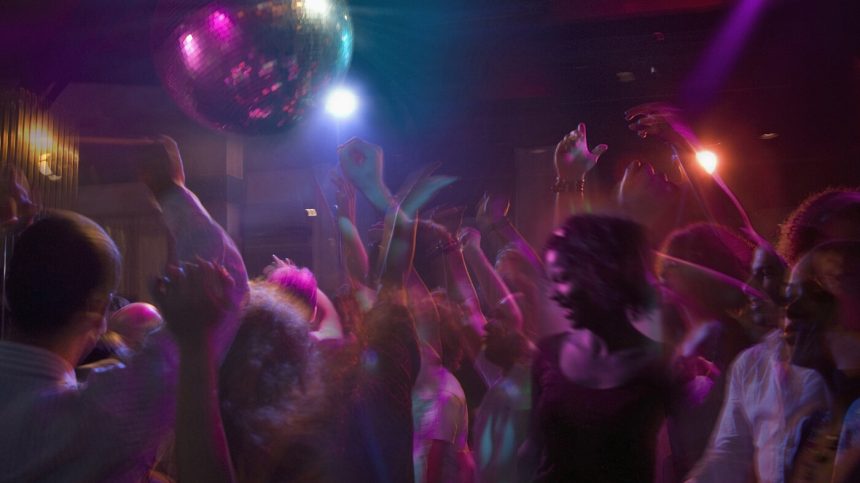
House music emerged from the ashes of disco, a genre that both celebrated and faced backlash for its association with Black and queer culture. In the dimly lit basement clubs of Chicago, a scene burgeoned as Black, queer youth gathered to create a sound that articulated their experiences and emotions. DJs played pulsating beats that had the power to transform a simple space into a euphoric dance haven. The Warehouse, a legendary club, became a pivotal venue where DJ Frankie Knuckles would spin records, laying the groundwork for house music’s distinct sound.
Cultural Significance and Resistance
The significance of house music transcends mere entertainment; it is a form of cultural expression and resistance. During a time when the rights of marginalized communities were often overlooked, house music provided a sanctuary for self-identity and freedom. Black and queer individuals found a voice through its rhythms, creating a community that celebrated diversity and inclusivity. At parties, dancers expressed their identities without fear or prejudice, challenging societal norms and celebrating life through movement.
This subcultural revolution resonated beyond Chicago, influencing countless artists, genres, and listeners around the globe. House music is not just a genre; it is a movement, underpinning the rise of electronic dance music (EDM) and various other musical styles across different cultures.
The Evolution and Mainstream Renaissance
While house music briefly faded from mainstream visibility during the late ’90s and early 2000s, it never left the underground scene. Clubs worldwide continued to play its infectious beats, and dedicated DJs kept the energy alive. The rise of digital streaming platforms allowed for a resurgence of interest and accessibility to house music, with younger generations discovering its rich history.
Beyoncé’s Renaissance reignited the spotlight on this essential genre, capturing the essence of house through modern pop music. The album not only celebrates house’s infectious rhythms but also pays homage to its roots, further intertwining traditional African-American musical forms with contemporary sounds.
House Music as a Continuous Journey
Today, house music remains a global phenomenon, intersecting with various cultural influences. Festivals, club nights, and DJ sets continue to be spaces where people converge to lose themselves in music and dance, echoing the communal spirit of its Chicago origins. The genre has diversified and branched out into various subgenres, each carrying its own flavor and narrative.
To truly appreciate house music’s rich tapestry, one must explore the stories of the individuals who were there during its inception. A fascinating feature dives deep into the past, offering quotes and reflections from DJs, dancers, and promoters who walked through the smoke-filled rooms of the Warehouse and other iconic venues. Their tales reveal the grit, passion, and tenacity that fueled the rise of house music and kept its spirit alive.
Curating the Sound of House
For those eager to experience the vibrant world of house music, an exploration curated by DJ Terry Hunter offers a delightful journey through its various facets. Hunter, a prominent figure in the house scene, immerses listeners in the infectious rhythms and soulful beats that have defined a generation and continue to evolve.
This exploration isn’t just about the music; it underscores the power of cultural expression and community. It paints a vivid picture of a soundscape born from resilience and joy, still thriving and evolving in the present day.
With roots in cultural resistance and love, house music continues to echo across the world. Its legacy is a powerful reminder of the strength found in unity through rhythm and dance, celebrating the very essence of life itself.