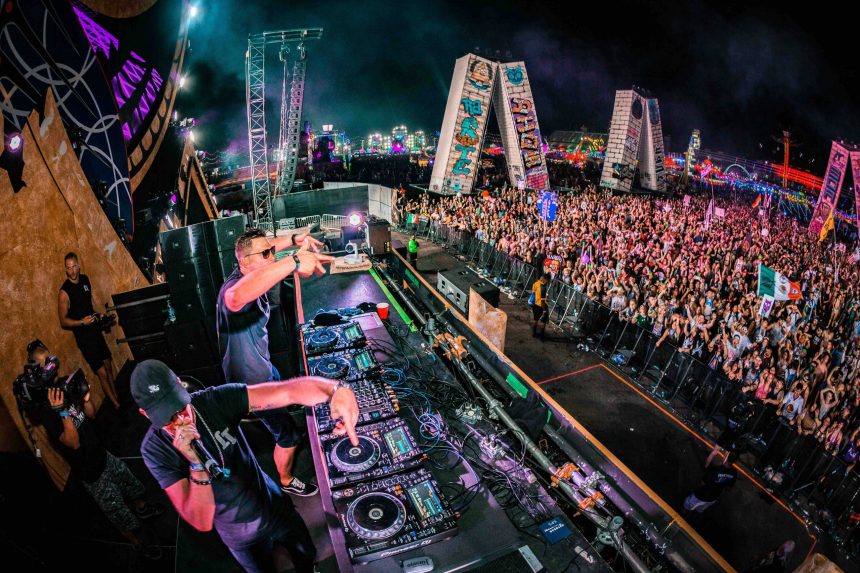
Dance Music Ticket Demand Soars: Analyzing the 23.7% Year-Over-Year Increase
According to recent data released by the live event discovery and marketing platform Bandsintown, the demand for dance music tickets has surged by an impressive 23.7% year-over-year. This increase not only highlights a growing appetite for live electronic music experiences but also signifies a notable shift in the genre’s approach to monetizing its audiences. As more fans head to festivals and concerts, the landscape of dance music is evolving rapidly, reflecting broader trends in live entertainment.
A Maturing Live Sector
The recent surge in ticket demand indicates that dance music is moving beyond its underground club origins and transitioning into a premium, festival-centric model. In previous years, electronic music festivals were often associated with a niche market, primarily catering to dedicated fans and small venues. However, as major global headliners begin to anchor significant tour grosses, this genre is asserting its place alongside mainstream pop and rock in the live music sector.
Moreover, the data from Bandsintown sheds light on an accelerating trend — the discovery and popularity of emerging talents. This shift is crucial as it positions dance music as a progressive force in the live music scene, ready to introduce new artists to an ever-growing fanbase eager for fresh sounds and experiences.
Insights from Bandsintown
With a robust network connecting over 100 million registered fans to 700,000 artists, Bandsintown plays a pivotal role in monitoring and reporting on live music trends. Their partnership with major streaming services like Spotify, Apple Music, and YouTube allows them to capture a comprehensive view of ticket purchasing behavior. The recorded 23.7% increase in ticket clicks when comparing 2025 and 2026 highlights not just the popularity of dance music, but also the engagement of audiences looking to experience live performances firsthand.
Early Purchasing Behavior: A Game Changer
One of the most significant factors contributing to this rise in ticket demand is the noticeable shift towards early ticket purchasing. Fans are no longer waiting until just before the event to secure their spots; instead, they are buying tickets months in advance. This proactive behavior is beneficial for all parties involved — it provides venues, promoters, and festivals with a more predictable revenue stream, reducing financial risk and uncertainty.
This trend allows dance music events to generate arena-level grosses, comparable to those of mainstream music acts. The traditional reliance on late-cycle sales, often characterized by day-of-event ticket purchases, is diminishing. As a result, venues and promoters can confidently plan for higher capacity shows and more ambitious productions, knowing that their financial foundations are sound.
The Intersection of Dance Music and Economic Trends
The burgeoning interest in dance music aligns closely with broader economic trends, as live event attendance rebounds in a post-pandemic world. Festivals and concerts are not just social gatherings; they have become vital economic engines that support local economies, tourism, and the broader entertainment sector. The robust growth recorded signifies a re-engagement of audiences with live performances, alongside a thirst for connection and community that live music fosters.
Furthermore, the shift towards early ticket purchases reflects a growing confidence among fans. This behavior suggests that audiences are eager to invest in their experiences, signaling a willingness to pay premium prices for high-quality production and top-tier talent. This willingness also presents opportunities for emerging artists to capture market share, potentially leading to a more diverse range of performers being showcased at major events.
Conclusion
The 23.7% increase in dance music ticket demand underscores a significant transformation within the live music landscape. As electronic music continues to evolve and adapt, both established and emerging artists benefit from this sustained interest. As fans embrace the value of purchasing tickets early, the entire ecosystem of dance music — from venues to local economies — stands to gain from this upward trend, reshaping how live events are experienced and enjoyed.
The findings from Bandsintown mark not just a revival in interest but also a transformation in the way dance music engages with its audience. This evolution signals a promising future for the genre, as it continues to captivate fans around the world.