
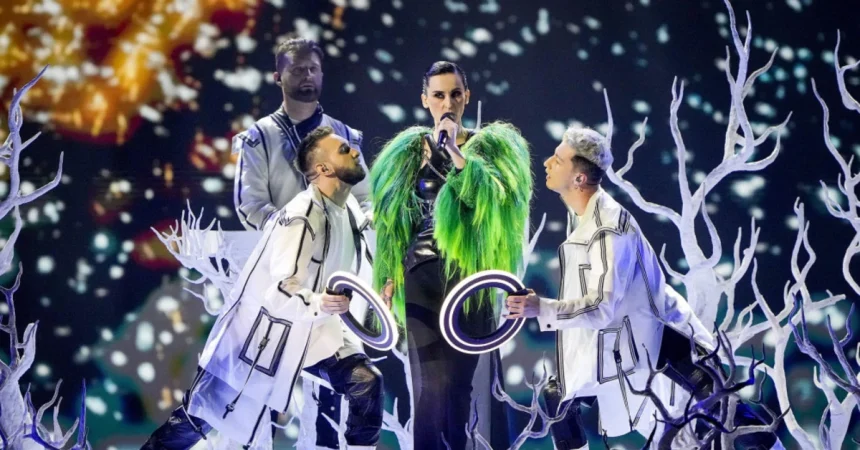
No More Miss Nice Guy: How Eurovision Transformed into EDM-Vision
It’s no longer Eurovision; it’s EDM-Vision, and the evolution is anything but polite. We’re witnessing a savage sonic assault that redefines the boundaries of what we once considered conventional pop music. After decades of dazzling sequined performances and melodramatic ballads, Eurovision has embarked on a thrilling journey into the pulsating, chaotic realm of electronic music.
The Rise of EDM in Eurovision
In a cultural landscape where both boundaries and permission are customary, electronic music recognizes no such constraints. The Eurovision Song Contest has undergone a metamorphosis, trading traditional pop for an unrelenting sonic experience defined by high-production electronic elements and avant-garde sound design. Gone are the days when pop ballads and gentle key changes reigned supreme. Today, we are met with a ferocious embrace of the avant-garde.
Champions of Chaos: Recent Winners
Look no further than 2025’s Eurovision winner, JJ’s “Wasted Love,” which escalated Austria from the world of classical music directly into the throbbing heart of an industrial soundscape. JJ’s performance embodies how operatic vocals can now be transformed into raw, weaponized synth elements, endlessly engaging audiences and challenging preconceived notions about traditional genres.
In 2024, Switzerland’s entrant Nemo established a new paradigm with “The Code,” a track that catapulted expectations for what Eurovision could muster. This wasn’t merely a song; it was a chaotic psychological journey that melded pop hooks into glitchy hyperpop moments, creating a battle for your attention and understanding.
Artists Embracing Absurdity
The transformation is further showcased by artists like the British eccentric Look Mum No Computer. With his engaging piece “Eins Zwei Drei,” he leans heavily into the absurdity that is now the hallmark of the competition. His DIY aesthetic rooted in warehouse rave culture offers a stark contrast to the polished, Eurodance nostalgia of past entries.
His relentless, repetitive vocals and gritty production offer a rawness that revives the competition’s inherently feral nature—a powerful testament that modern EDM can coexist with Eurovision’s broader, often whimsical tradition.
A New Musical Arena
In this electrifying musical arena, traditional pop is becoming a distant memory, replaced by a relentless, live-wired guerrilla assault. Productions are now dirty, aggressive, and overpowering, leaving listeners with little choice but to surrender to the immense sonic experience.
Groundbreaking Entries
Gabry Ponte – “Tutta L’Italia” (San Marino 2025)
The former Eiffel 65 maestro made a blasting return to the Eurovision stage with his explosive track “Tutta L’Italia.” Bridging the essence of ‘90s Eurodance with contemporary electronic aesthetics, Ponte’s performance underscored his legendary status. Though he did not clinch a trophy, he proved that you don’t need awards to solidify a place in the hearts of fans.
Nemo and the winner JJ redefined the landscape of the contest, their entries juxtaposing chaos against structural mastery, forging a path for future contestants who dare to defy the norms.
Käärijä – “Cha Cha Cha” (Finland 2023)
Käärijä’s entry is another showcase of the newfound exuberance in Eurovision performances. The track captivates listeners by blending industrial brutality with melodious hyperpop elements, delivering an audio experience that keeps the audience guessing and engaged.
Käärijä’s performances offers a visual and auditory journey that mirrors the tumultuous evolution of the contest, highlighting how deeply intertwined modern aesthetics and sound can become.
Alessandra – “Queen of the Kings” (Norway 2023)
Perhaps no track exemplifies the TikTok-driven energy of modern pop as well as Alessandra’s “Queen of the Kings.” It merges operatic vocals with hyper-compressed electronic beats, creating an auditory experience reflective of our current digital existence. By radically reinterpreting the formula that once governed Eurovision, Alessandra exemplifies the promise of the festival.
EDM-Vision Takes Over
As we dissect the impact of electronic music on Eurovision, it becomes clear that it’s not merely a trend but the definitive direction in which the contest is headed. The show has transitioned from a polite competition of pop songs to a fierce, multi-genre exploration that embraces chaos, innovation, and creative liberation.
Key Players in the EDM Revolution
The palpable shift in genre dynamics can also be seen in previous years, such as Cezar’s “It’s My Life” and Loreen’s “Euphoria.” While the former showcased sheer operatic chaos fused with dubstep elements, Loreen’s masterpiece transformed definitions of emotional intensity in electronic pop.
Both of these iconic songs have paved the way for layers of production techniques that prioritize the visceral experience over traditional musical storytelling.
The Future of Eurovision
As modern entries continue to break away from the carefully curated tradition of the contest, it’s these innovations and the fearless embrace of the electronic genre that will shape future iterations of Eurovision. What began as a song competition fraught with politeness has become an arena of broad sonic experimentation.
Drawing from themes of rural anxiety, existential dread, and contemporary living, artists continue to challenge the ethos of what traditional music festivals should represent—all while keeping the audience at the edge of their seats.
The evolution of Eurovision into EDM-Vision illustrates a resignation of politeness in favor of authenticity, revealing a rabid enthusiasm for unapologetic expression. This transformation signals an intriguing, electric future that holds infinite possibilities for artists and fans alike. It’s not just a matter of evolution; it’s a revolution—one that’s only just getting started.