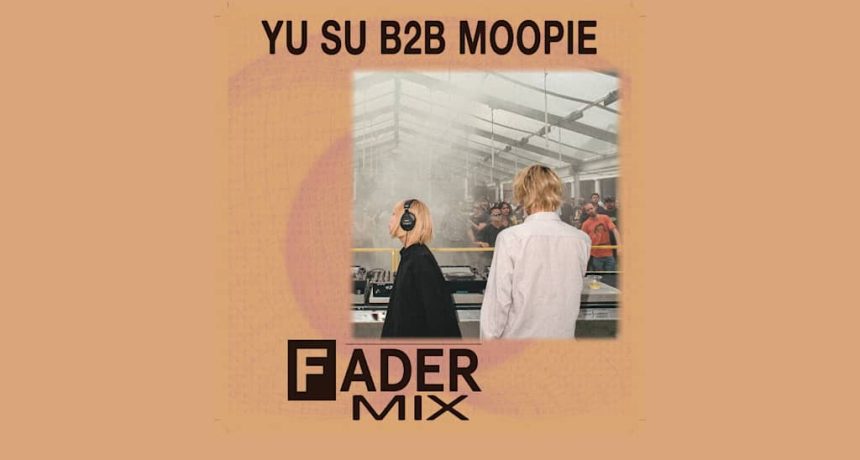
The Unique Vibe of Making Time Festival: Insights from Artists Yu Su and Moopie
A Gathering of Unique Artists
The Making Time ∞ festival has quickly become a beloved event for music lovers, famed for its diverse lineup and unique atmosphere. In a recent conversation with two of the festival’s performers, Yu Su and Moopie, we dive into what makes this event stand out and how their personal experiences have shaped their art. Moopie, new to the festival scene, and Yu Su, a seasoned performer at Making Time, offer distinct perspectives on the festival’s charm.
Diversity at Its Core
Yu Su highlighted the festival’s commitment to diversity. “It’s a very diverse lineup,” she stated. “I like how it doesn’t have this headliner energy, which I think is very rare for American festivals.” This commitment to inclusivity in programming allows attendees to discover new artists across a broad spectrum of genres, enhancing the overall experience. The setting, too, plays a pivotal role in the festival’s allure, with Yu Su noting, “the site is so special. It’s very beautiful.” Such carefully selected locations elevate the festival’s atmosphere and provide the perfect backdrop for memorable performances.
The Art of Back-to-Back Sets
A unique feature of festival performances is the back-to-back (b2b) sets, and both Yu Su and Moopie embrace this collaborative approach. Yu Su expressed their philosophy before going on stage, stating that they tend to discuss a general vibe prior to performing. “I was asking him [Moopie] what we should play first and last,” she explained, emphasizing the importance of these tracks in setting the tone for the performance.
Moopie echoed this sentiment, admitting, “Working out the first track of the set may be the hardest task.” The spontaneous nature of these performances sometimes leads to frantic decisions made just minutes before stepping up to the decks. “It sometimes comes down to just frantically looking through your record bag or USB,” he admitted.
Genre-Free Exploration
One of the most intriguing elements of their b2b sets is the flexibility around genre. “We’re both people who play everything,” Yu Su stated. Moopie added a light-hearted twist, suggesting, “Maybe not everything, but more than others.” The conscious decision to avoid confining their mix to a specific genre opens up a broader musical landscape, creating an opportunity for unexpected transitions and delightful surprises throughout their set.
Shaping Their Sound through Local Scenes
Both artists have deep-rooted connections to their local music scenes, which notably shape their DJing styles. Moopie reflected on his experiences in Melbourne. “Playing in a city [Melbourne] that I grew up in for over 10 years, I have a deeper connection with the crowds,” he noted. He builds on this familiarity to gauge the audience’s patience and attention, allowing him to adapt his energy levels accordingly. “In Melbourne, you don’t typically have really long DJ sets, as opposed to places like Berlin,” he explained.
In contrast, Yu Su’s journey has taken her through various cities without feeling a particular sense of home. Having lived in London and Vancouver, she described her connection to London as a significant but transient phase in her life. “Vancouver was important because it introduced me to dance music,” she recalled, highlighting how each locale influences her craft in different ways.
A Cross-Cultural Connection
Interestingly, Moopie and Yu Su’s initial meeting took place in Mexico City earlier this year at a Making Time party. Moopie had been aware of Yu Su’s work for years, but Yu Su, maintaining a level of cultural decorum, humorously refrained from expressing her admiration directly. “I was so surprised that he can speak Chinese as well,” she joked, acknowledging a cultural connection that added a layer of camaraderie to their relationship. “I’ve never spoken Chinese in a DJ booth before, so that was quite funny,” Moopie replied.
Distinct American Festival Experience
While Making Time is rooted in American festival culture, Yu Su pointed out how it differentiates itself from other American events. “This feels more European because of its setup, the music, and the intention of it,” she observed. She elaborated that the economic conditions in America pose challenges, making it difficult to host experimental festivals akin to those in Europe that benefit from government support, such as Belgium’s Horst Festival.
The implications of these dynamics speak volumes not just about the music but about festival culture in America—how it is shaped by broader societal and economic factors.
Yu Su’s insights into the Making Time festival reflect its unique blend of diversity, artistic collaboration, and strong local ties, all while showcasing her and Moopie’s exciting differences in perspectives and experiences as artists. Whether it’s the breathtaking venue or the varying musical energies, there’s no doubt that Making Time leaves a lasting impression on anyone lucky enough to attend.