The Impact of “Don’t Stop The Music” on Pop and Dance Music
In 2007, the musical landscape was beginning to shift, albeit subtly. Dance music had yet to carve a significant niche on pop radio. Enter Rihanna, a multi-talented artist known for her fearless explorations of genre. With the release of “Don’t Stop The Music,” she effectively redirected the course of pop music, ushering in an era where electronic dance music (EDM) would flourish in mainstream charts.
A Seminal Shift in Sound
Produced by the esteemed duo StarGate, “Don’t Stop The Music” stands as a landmark record in American pop history. In their candid discussions about the track, the producers highlighted its revolutionary impact: “It was a seminal record in the sense that, prior to that song and Justin Timberlake’s ‘SexyBack,’ dance music was basically non-existent in American pop.” The infectious beat and rhythmic drive of the song challenged the status quo, showcasing that the iconic four-to-the-floor kick pattern could thrive on American radio.
Prior to “Don’t Stop The Music,” there was a prevailing belief that such dance-oriented beats wouldn’t resonate with the American audience. This track dismantled that notion, proving that listeners were ready for something new and exhilarating.
A Nostalgic Hook
One of the standout features of “Don’t Stop The Music” is its unforgettable hook, “Mama-say, mama-sa, ma-ma-koosa.” This catchy phrase isn’t just an arbitrary earworm; its roots can be traced back to Michael Jackson’s classic “Wanna Be Startin’ Somethin’,” which itself drew inspiration from the 1972 disco hit “Soul Makossa.” The historical lineage from these iconic songs to Rihanna’s hit is a fascinating aspect of music history, reminiscent of the dance floors of New York in the 1970s, where DJ David Mancuso spun “Soul Makossa” in his legendary sets.
Chart Performance and Cultural Influence
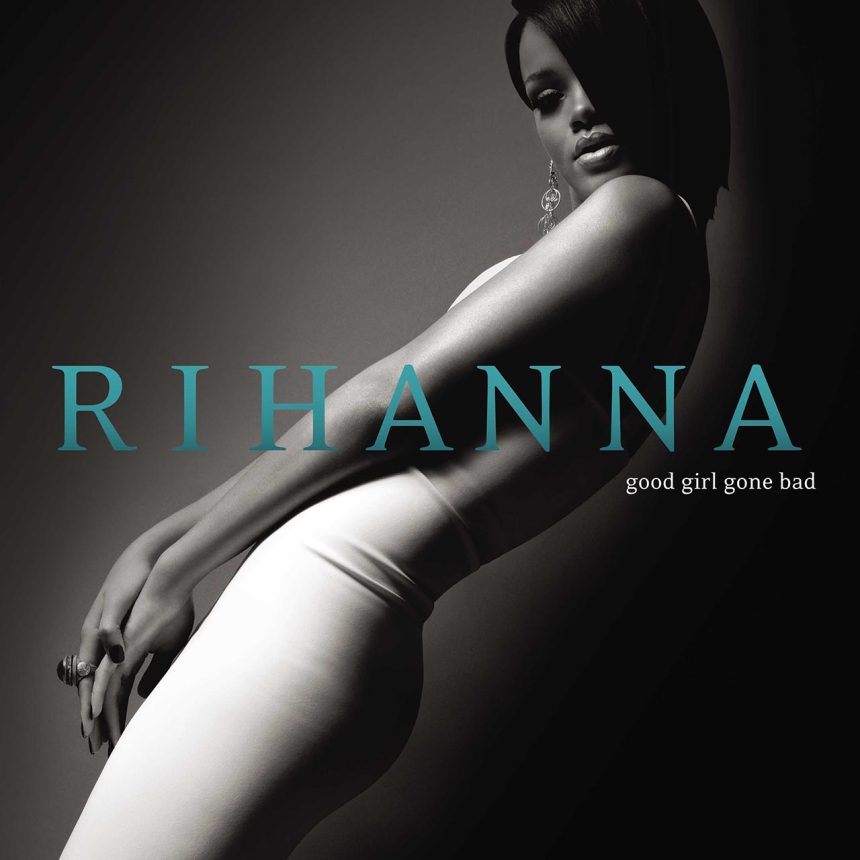
“Don’t Stop The Music” was the fourth single from Rihanna’s critically acclaimed album Good Girl Gone Bad. While it didn’t soar to the same heights as the groundbreaking “Umbrella,” it nonetheless achieved remarkable global success. The song topped charts in several countries and marked a definitive moment in Rihanna’s career. It showcased her ability to set trends rather than merely follow them.
Two years after the release of “Don’t Stop The Music,” the landscape had shifted dramatically; David Guetta’s One Love album brought EDM even further into the limelight, at least partly thanks to the groundwork laid by Rihanna. Meanwhile, she continued to innovate her own sound with her subsequent album, Rated R, evolving her artistry in ways that kept listeners engaged.
Lasting Legacy
The legacy of “Don’t Stop The Music” can essentially be measured by the explosion of EDM in the years that followed. Artists who emerged later—such as Calvin Harris, Zedd, and The Chainsmokers—borrowed from the soundRihanna and StarGate pioneered. Suddenly, dance music found a welcoming seat at the pop table, transforming the soundscape of radio and leading to a multitude of genre-blending collaborations.
The significance of “Don’t Stop The Music” extends beyond mere commercial success. It marked a cultural shift in which dance music not only gained acceptance but also dominated radio playlists worldwide. As pop music continues to evolve, the revolutionary essence of Rihanna’s infectious track remains a reference point, illustrating how one song can change the course of history in popular music.
For fans eager to dive back into the early days of this genre crossover, collecting Rihanna’s music on vinyl or CD offers a tangible connection to this pivotal moment in music history. The link between her work and the EDM explosion serves as a powerful reminder of the artist’s impact on contemporary music culture.