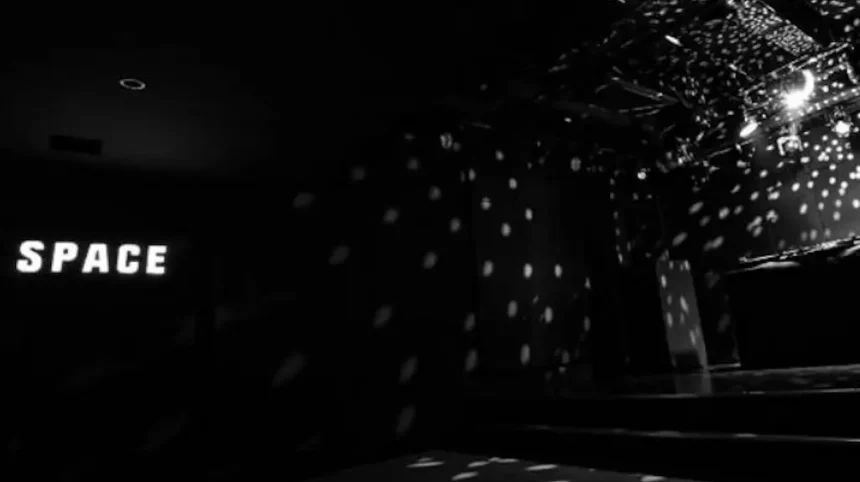
Space Tokyo is closing.
The respected underground venue announced on May 11 that it will officially shut its doors on June 28, ending an important chapter within Tokyo’s independent nightlife and experimental music culture.
The news was shared through the club’s Instagram account, where organizers thanked attendees and supporters for their continued patronage over the years. No specific reason for the closure was publicly disclosed.
Located in the basement levels of Shinjuku, Space Tokyo built a strong reputation through its openness to radically different sounds, scenes and communities. Rather than focusing on a single musical identity, the venue became known for programming that moved fluidly between underground electronic music, queer nightlife, ambient listening sessions, hardcore performances and psychedelic rock events.
That flexibility became central to the club’s identity.
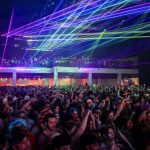
On one night, the space could host intimate seated ambient performances focused on deep listening and atmosphere. On another, it would transform into a sweat-filled underground dancefloor driven by experimental club sounds and high-intensity energy.
Over the years, Space welcomed a wide range of local and international artists while maintaining a distinctly independent spirit. Recent bookings included DJ Paypal, Jay Duncan and Lil Mofo, reflecting the venue’s continued connection to underground club culture and alternative music communities.
In a city where nightlife spaces constantly face pressure from redevelopment, economics and changing urban realities, venues like Space Tokyo often become more than just clubs. They function as cultural meeting points — places where scenes intersect, new artists emerge and communities form outside mainstream commercial nightlife structures.
The closure adds another important name to the growing list of independent venues disappearing globally over recent years.
Particularly in Tokyo, small underground clubs and live houses have long played a crucial role in shaping the city’s artistic identity, offering space for experimentation and subcultural exchange that larger venues often cannot sustain.
For many regulars, Space represented exactly that kind of environment:
unpredictable, intimate and deeply connected to the people inside it.
With final events expected throughout June, the remaining weeks will likely become a farewell gathering point for the communities and artists who helped define the venue across its years in Shinjuku.
On June 28, one of Tokyo’s quietly essential underground spaces will officially close its doors.