The Evolution of Music and Technology: Insights from the 2026 Winter Music Conference
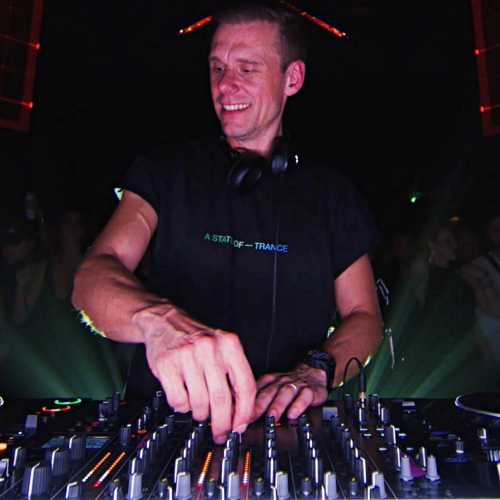
At the 2026 Winter Music Conference in Miami, a gathering that celebrates the heart and soul of electronic music, Dutch trance pioneer Armin van Buuren discussed the intricate relationship between heritage and high-tech. Joining forces with Apple Music’s Stephen Campbell and Tim Sweeney, the panel offered illuminating perspectives on how technology is reshaping the music industry, focusing particularly on the rise of artificial intelligence and the innovative potentials of Spatial Audio.
Navigating the AI Landscape: Opportunities and Concerns
Addressing the pressing issue of artificial intelligence, van Buuren opened up about his initial skepticism toward this rapidly evolving technology. “I read a book about AI because I was skeptical—and honestly, a little scared for my own job,” he confessed candidly. This sentiment resonates with many artists who feel threatened by AI’s ability to generate music at the click of a button. Reflecting on the current capabilities of AI, he warned, “One important thing to realize: the AI we’re using right now is the worst AI we will ever use. It can only get better… if you ignore it, you’ll fall behind.” This realization serves as a wake-up call for creators to engage with technology rather than fear it.
A Resurgence of Melody in Modern Music
After 25 years at the forefront of the electronic music scene, van Buuren expressed a sense of nostalgia and excitement about the revival of melody in mainstream music. “Trance isn’t a dirty word anymore—techno artists have embraced melodies again,” he noted, comparing the resurgence to pulling out a beloved old sweater that has suddenly become fashionable again. For aspiring artists, he urged them to “dare to be different,” lending his perspective that authenticity in music ultimately prevails. “If I were to play anything else, it wouldn’t feel authentic or real,” he stated, signifying the importance of staying true to one’s artistic roots.
Technology as a Bridge: Preserving the Past While Shaping the Future
The conversation took a deeper dive into how technology not only preserves the rich history of dance music but also actively shapes its future. Stephen Campbell shed light on Apple Music’s commitment to resurrecting valuable recordings that have become “lost to digital obscurity,” highlighting the significance of archiving mixes like the legendary Fabric or The Box tapes. “When you ask what properly licensing mixes unlocks, the answer is everything,” Campbell asserted, suggesting that revisiting and legitimizing these historical recordings can enrich the listening experience for both new and long-time fans.
The Freedom of Space: Exploring Spatial Audio
Van Buuren also explored the transformative potential of new audio formats like Spatial Audio. For him, this innovative technology provides the headroom that modern music often lacks, allowing artists to better integrate complex synths into their mixes. “Spatial Audio simply gives you more headroom, so your ears will bleed less,” he joked, highlighting a practical benefit that enhances the listener experience. This newfound flexibility contributed to what he described as a “crazy midlife thing”; his decision to create an exclusive classical DJ mix for Apple Music, a venture he initially found daunting. “I never would have done it without that push,” he admitted, demonstrating the power of technology to inspire creative ventures outside an artist’s usual scope.
Overall, the dialogue at the 2026 Winter Music Conference reflects a pivotal moment in the music industry, where heritage and innovation collide. With artists like Armin van Buuren leading the charge, the future of music looks promising, filled with opportunities for exploration and growth in the digital era.