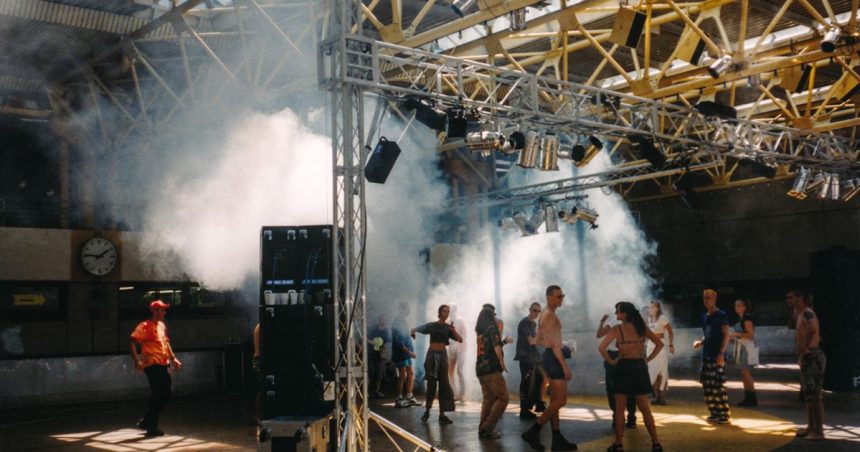
The Evolution of House Music: A Journey Through Its Roots and Impact
House music, often paired with the euphoric pulse of the underground nightclub scene, has a rich history that extends well beyond dancefloors and DJs. Its evolution stems from diverse cultural influences, bridging genres and generations. This article delves into the multifaceted narrative of house music, examining its origins, cultural significance, and the voices often overshadowed in its history.
The Birth of House Music
House music emerged in the late 1970s and early 1980s in Chicago, a city renowned for its vibrant nightlife. The genre owes its name to the Warehouse, a nightclub where DJ Frankie Knuckles played a pivotal role in shaping the sound. Utilizing disco’s rhythmic foundations and infusing electronic elements, Knuckles created extended mixes that encouraged continuous dancing. Tracks often featured repetitive beats, synthesized melodies, and samples from various genres, setting the stage for a musical revolution.
The Cultural Melting Pot
Chicago’s unique cultural landscape fostered a melting pot of musical influences. House music drew inspiration not only from disco but also from elements of rock, funk, jazz, and even soul. As DJs began to experiment with sounds, the genre evolved, reflecting the characteristics of its creators. This confluence of styles not only made house music distinctive but also helped it resonate with diverse audiences, transcending racial and socio-economic boundaries.
The Voices Behind the Tracks
While house music is often associated with prominent male figures like Frankie Knuckles and Larry Heard, it is crucial to acknowledge the integral contributions of women and artists of color. Many women were instrumental in shaping the genre, yet their contributions frequently go unrecognized. For instance, vocalists like Wandi and Martha Wash provided iconic vocals to tracks without receiving adequate credit, challenging the narrative that centers male producers.
BlackFem: An Inclusive Perspective
The term “BlackFem” has emerged to represent a broader understanding of femininity and identity, moving beyond traditional constructs. This conceptual framework emphasizes the inclusion of diverse experiences and expressions of femininity, allowing for an expansive understanding of contributions to music. As scholars like Chelsea M. Frazier explore, BlackFem encompasses a myriad of identities, thereby acknowledging how race, gender, and sexuality intersect within the realm of house music.
Sampling and Cultural Appropriation
As house music gained traction globally, the practice of sampling became commonplace. While sampling can serve as a method of homage and cultural preservation, it raises ethical questions regarding ownership and representation. White producers have often been criticized for appropriating Black sounds without rectifying the historical exploitation embedded within music practices. The ethics of sampling remain a pressing issue, prompting discussions within the community about the need for recognition and justice for original creators.
Noteworthy Examples of Sampling
The controversies surrounding sampling are epitomized in cases where white producers have utilized Black artists’ voices without proper acknowledgment. Anu Shukla highlights how such practices reflect a larger trend of erasure, pointing to instances of vocal theft where artists like Lori Glori were not credited appropriately despite significant contributions. These dynamics underscore the necessity of reevaluating the narratives surrounding house music and its creators.
The Globalization of House Music
The 1990s saw house music transition from local Chicago clubs to international recognition, with scenes developing in cities like Detroit, Berlin, and Ibiza. Each locale brought its flavors and distinctive sounds. In Berlin, for instance, the techno scene thrived, stimulating a fusion between minimal techno and house, further complicating its cultural lineage. However, as the genre spread, the original narratives were often overshadowed by the new wave of predominantly white male artists.
The Impact of Women in House Music
Women have played pivotal roles in various house music movements, from DJing to production. However, their contributions tend to be minimized in historical accounts. Publications like ZORA emphasize the importance of recognizing these women’s roles in shaping the genre. Their experiences often offer critical insights into the interplay between race, gender, and music production, pushing for a reevaluation of how we celebrate the history of house music.
Contemporary Conversations and Future Directions
As the house music landscape continues to evolve, new dialogues emerge surrounding the implications of accessibility, inclusivity, and recognition. The genre’s ability to adapt to contemporary challenges raises questions about its future trajectory. As festivals receive a broader influx of attendees and mainstream music begins to embrace house influences, the need for equitable representation becomes more urgent.
Embracing Diversity Moving Forward
Looking ahead, it is crucial for the house music community to embrace diversity actively. This can involve amplifying underrepresented voices, acknowledging historical contributions, and promoting equitable practices within the industry. Furthermore, ongoing conversations about gender fluidity and race in music can ensure that the genre grows in a manner that reflects its roots and honors its foundational stories.
By focusing on the histories and experiences that shape house music, we can deepen our understanding of the genre and appreciate its rich tapestry of influences. Each beat and melody played on the dancefloor carries a legacy that deserves recognition, creating a space where all voices can resonate harmoniously.