
The Evolution of Character Customization in World of Warcraft
The Notable Differences in Customization
One of the first aspects that strikes both new and seasoned players in World of Warcraft (WoW) is the dramatic growth in character customization options for the newer races compared to their older counterparts. When creating a character, players have a plethora of choices, from the shade of their undead skin to the specific deformities of their features. For instance, if you opt for an undead character, customization options allow for adjustments in things like skin hue and jaw shape, evoking a unique aesthetic aligned with the character’s lore.
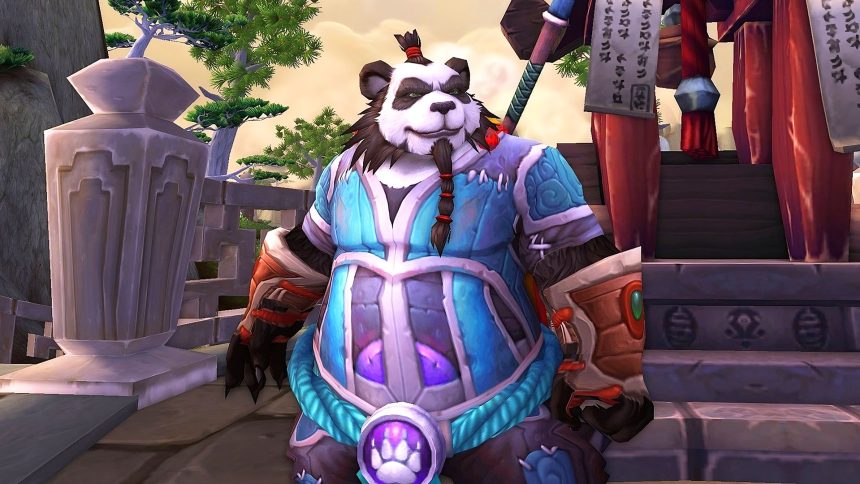
In stark contrast, newer races have embraced an even broader spectrum of possibilities. Players can fine-tune minute details, such as fur color and eyelash styles, enabling even more personalization. This multi-layered approach reflects Blizzard’s commitment to ensuring that each player’s character can truly feel like an individual.
Blizzard’s Commitment to Balance
In a recent interview, Blizzard acknowledged the discrepancies in customization options between older and newer races. Design Director Maria Hamilton openly discussed plans to revamp older races’ customization features, noting that there is no definitive timeline for these enhancements. However, she emphasized the importance of addressing updates comprehensively rather than in isolated patches. The goal is to ensure the entire player base enjoys a similar level of customization without leaving long-established characters behind.
Hamilton mentioned, “We’ve even discussed improving character animations and things like that—what sorts of improvements we can make there,” highlighting a commitment to overall quality enhancements rather than merely superficial adjustments.
A Strategic Overhaul: The Midnight Expansion
This commitment to revitalizing character customization aligns with Blizzard’s broader aim for its upcoming expansion, Midnight. Rather than gradually updating outdated systems, Blizzard is overhauling mechanisms like the transmog system entirely. Players will soon be able to create and organize outfits for specific activities—whether PvP, designated quests, or even thematic fishing adventures—bringing a new layer of depth to the game’s long-standing appearance system.
This refresh reflects Blizzard’s understanding of the need for change. Principal Artist Jay Hwang addressed how player-driven features, such as player housing, will pave the way for future expansion in customization options. The development team aims to lay a foundation that supports ongoing enhancements in diverse gameplay aspects, ensuring that player expression remains central.
Modernization of Player Expression
A significant they are focused on is the investment in player expression. WoW has always been rooted in the concept of allowing players to put their personal stamp on their avatars. However, many of these systems have languished, creating a need for a considerable update. With Midnight, it seems like the game is gearing up for a new chapter, one where players can engage more fully and creatively with their characters.
As these advancements unveil, players will likely feel more empowered, not just through their choices but also in how they engage with the world of Azeroth. The revitalized systems promise to enhance the gaming experience, ensuring that both seasoned veterans and newcomers can paint their stories across the vast canvas of the game’s universe.
Future Prospects for Character Customization
With a focus on modernizing not just the cosmetic aspects but also the core character mechanics, Blizzard’s plans serve as a promising indication of where the game is heading. The forthcoming improvements are set to make a significant impact, as players look forward to a more enriched and personalized gameplay experience. As Hamilton noted, this is not just about making the old feel new again; it’s about creating a living, breathing world where player agency is paramount.
By nurturing this core aspect of player engagement, Blizzard is aiming not just to refine existing features but to ensure that World of Warcraft remains a dynamic space for individual expression, innovation, and community interaction for years to come.