Baylor Symposium on Faith & Culture: Examining AI Through a Christian Lens
By Camille Kelly | Reporter
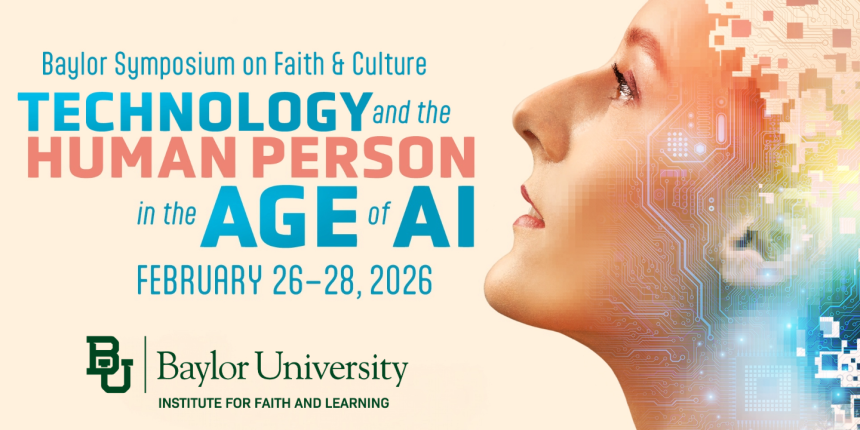
At the intersection of faith and academia, Baylor University stands as a guiding force, emphasizing its dual role as both a Christian institution and a hub for research. This year’s annual Symposium on Faith & Culture is set to delve deep into one of today’s most pressing issues: Artificial Intelligence (AI). Titled “Technology and the Human Person in the Age of AI,” this year’s symposium promises to be the largest yet, bringing together scholars and experts from across the nation to engage in thoughtful discussions.
Unpacking the Symposium’s Theme
Scheduled for February 26-28, the symposium invites participants to grapple with profound questions related to AI’s impact on humanity. Organizers have made clear that this conference will not solely focus on the technical aspects of AI but will also explore what it means to be human in an age increasingly dominated by technology. Dr. Elisabeth Kincaid, the director of the Institute for Faith and Learning, emphasizes that these discussions are crucial for understanding the intersections between faith, ethics, and technology.
Dr. Kincaid articulates the broader vision behind the symposium: “We’re looking pretty broadly, not just about AI specifically, but about our understandings of what it means to be human.” This approach encourages attendees to reflect on how their relationships—with God, people, and the world—are being transformed by advancements in AI.
A Unique Gathering of Voices
This symposium is notable not only for its size, with over 700 attendees already registered, but also for the diverse array of voices it brings together. According to Dr. Kincaid, the event draws participants from both Christian and secular universities, creating a vibrant environment for interdisciplinary dialogue. The aim here is to foster conversations that range from moral implications to technological opportunities.
Dr. Neil Messer, a Baylor professor specializing in theological bioethics, highlights the significance of this dialogue, stating that AI’s implications transcend mere technical discussions. “This is a great opportunity to join in the conversation,” he notes, emphasizing the unique perspective that a Christian research university like Baylor can offer to these pressing issues.
Engaging Students in Ethical Discussions
An important dimension of this symposium is its emphasis on student engagement. Dr. Kincaid urges students not just to attend but to actively participate in these critical conversations. The hope is that students will come away with a nuanced understanding of AI’s potential benefits and ethical concerns. Messers adds, “I hope this conference equips students to be aware of both the opportunities and the challenges of AI.”
Attendance is free for Baylor students, faculty, and staff, and pre-registration even includes complimentary meals, making it an accessible platform for young minds to engage with these complex issues. As discussions unfold, participants will have ample opportunity to ponder not only the technological implications of AI but also the moral and ethical questions that arise from its use.
The Importance of Ethical Discourse
The heart of the symposium lies in its unwavering commitment to ethical discourse within a Christian framework. Dr. Kincaid stresses that as Christians, it’s vital to discuss the ethical implications of AI beyond its classification as merely a tool. “We think the world is asking significant meaning and purpose questions,” she says, positioning Baylor as a crucial contributor to this broader dialogue.
With a lineup that includes theologians, technologists, ethical theorists, and educators, attendees can expect to hear varied perspectives on the complex interplay between AI technologies and theological principles. The aim is to facilitate conversations that not only reflect on AI’s potential but also prompt critical ethical considerations that align with Christian teachings.
Preparing for the Future
As participants gather to discuss the challenges and opportunities presented by AI, the symposium also serves as a preparatory stage for future engagement in this field. The discussions are designed to foster critical thinking, enabling attendees to understand AI not just as a technological advance but as a phenomenon that shapes societal dynamics.
Dr. Messer believes that by presenting both the ‘positive things that AI can do for us’ and the ethical concerns that accompany them, attendees will be better equipped to navigate the complexities of an AI-driven future. This balanced approach encourages a reflective stance on technology and its implications for humanity.
In essence, the Baylor Symposium on Faith & Culture is more than just a conference; it is a vital platform for exploring the ethical landscapes of AI within a faith context, inviting attendees to engage in meaningful discussions that resonate beyond the walls of academia.