The Rise of “Stop Killing Games”: A Movement for Gamer Rights
Origins of the Movement
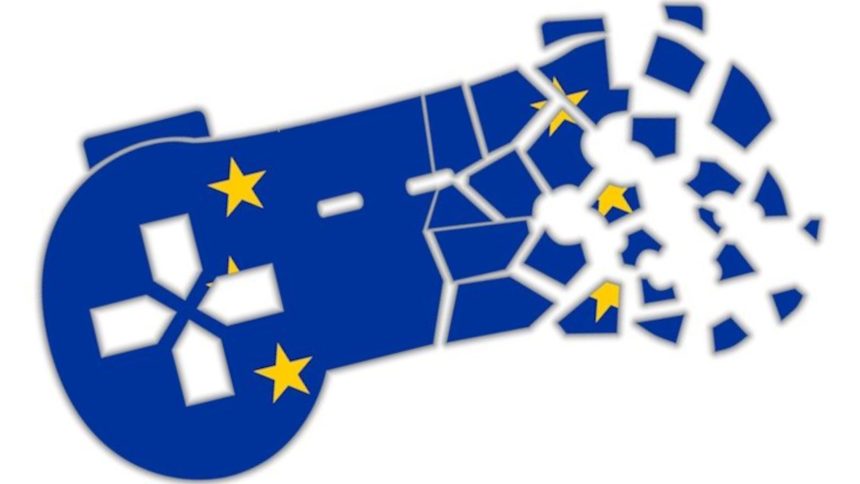
“Stop Killing Games” began as a digital outcry against the gaming industry’s trend of discontinuing online support for beloved titles, particularly following Ubisoft’s controversial dismantling of The Crew. Ross Scott, a prominent YouTuber, initially voiced his frustration, rallying gamers worldwide to join forces and advocate for more sustainable practices within the gaming sector. What started as a single voice in the wilderness quickly transformed into a powerful campaign when it garnered over 1.3 million signatures on its petition, compelling even the European Union to take notice.
Political Acknowledgment
The significant milestone of 1.3 million signatures marked a clear shift in how the gaming community’s concerns were perceived by industry giants and political entities alike. Ubisoft CEO Yves Guillemot responded to the overwhelming petition, acknowledging the need for better end-of-life support for their games. He stated that while “nothing is eternal,” the company is working to improve how they handle the shutdown of online services, promising a more considerate approach in the future.
Expansion Through Non-Governmental Organizations
In an exciting new chapter for the movement, Ross Scott announced the creation of two official Non-Governmental Organizations (NGOs): one based in the EU and the other in the US. These organizations aim to tackle the issues surrounding the premature termination of video games and to advocate for gamers on a broader scale. Scott emphasized that an NGO isn’t just a symbolic extension of the movement but a robust means to engage in long-term lobbying efforts.
Objectives and Strategic Approach
The primary goal of these NGOs is to drive legislative change, particularly concerning digital rights and consumer protections for gamers. Scott pointed out that while the establishment might seem niche, it offers definitive advantages, such as enabling sustained lobbying efforts on behalf of gamers. He noted that they plan to push for the inclusion of game preservation initiatives within existing legal frameworks, such as the Digital Fairness Act.
Scott envisioned the NGOs as platforms that could actively monitor and respond to corporate practices that threaten gaming titles. The capacity to organize multilingual reporting tools for players facing abrupt game shutdowns could provide a robust consumer advocacy mechanism, illustrating their commitment to gamer rights.
Leadership Dynamics
While Ross Scott is heavily involved with the overarching direction of the movement, the on-ground operations of the NGOs will be spearheaded by Moritz Katzner, an experienced political operative in the European landscape. Katzner’s insight and engagement are seen as crucial for navigating the complex regulatory environments in both regions. Scott acknowledged the challenges but also expressed a desire for Katzner’s efforts to serve the movement well, hoping the duo could garner attention and credibility.
Challenges Ahead
Despite the momentum, Scott remains cautiously optimistic. He articulates a profound understanding of the industry’s resistance to change, especially regarding predatory monetization practices. Scott highlighted that the gaming industry often invests more in lobbying against consumer protections than it would cost to implement effective end-of-life policies.
According to Scott, addressing the bare-minimum requirements for game preservation is not a monumental challenge. He firmly believes that adequate support for games post-launch would improve consumer goodwill significantly, transforming the developer-consumer relationship for the better.
A Future Vision
As the Stop Killing Games movement embarks on this new journey with the establishment of NGOs, there is a growing sense of potential for broader global advocacy on digital rights. Scott hinted at aspirations for a “global movement,” aiming to expand the presence of gamer advocacy organizations to regions beyond the EU and the US. This could pave the way for a larger coalition of gamers advocating for their rights across the globe.
In his vivid comparisons to historical resistance efforts, Scott frames this movement as not just an immediate response but as a long-term strategy to shift paradigms within the gaming industry. With dedicated leaders on board and an enthusiastic community behind them, the potential for making real systemic changes is more promising than ever.