The Evolving Landscape of Music Festivals in San Diego
The music festival industry is navigating turbulent waters, and San Diego finds itself right at the heart of this shift. In recent years, more than 100 music festivals were either canceled or paused, a stunning statistic underscored by Music Festival Wizard. Among these changes was the impact on San Diego’s vibrant festival scene, particularly the well-loved Wonderfront Music & Arts Festival.
The Disappearance of Wonderfront
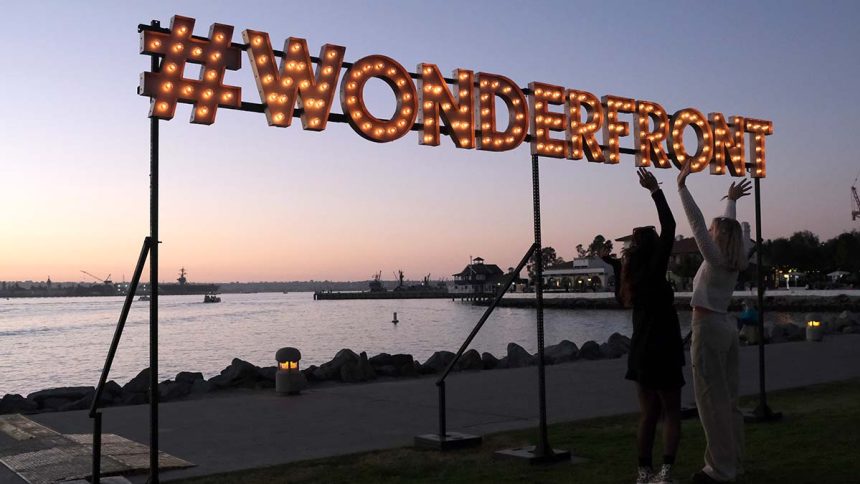
Initially debuting in 2019, Wonderfront quickly became a staple event for music lovers and locals alike, featuring a picturesque backdrop of the downtown waterfront. However, like many festivals, it faced significant challenges during the pandemic. After a brief return in 2022, Wonderfront is now searching for both a new location and date. The festival has shifted its timeline over the years—taking 2023 off, returning in 2024 for a three-day May event, and setting no plans for 2026 as of yet.
Kailyn Buluran, a 26-year-old marketing coordinator from Paradise Hills, reflects on what made Wonderfront special: “It felt very San Diego. Wonderfront brought such a unique vibe to the city.” For many, the festival encapsulated not just music but the spirit of community, drawing diverse crowds to enjoy art, food, and performances.
The Challenging Climate for Multi-Genre Festivals
The struggle of multi-genre festivals like Wonderfront seems to be rooted in a broader trend affecting many large-scale events. According to Tim Mays, owner of the Casbah music venue and an industry veteran since 1980, high production costs and the ever-increasing demands of artists have made it challenging for festivals to sustain themselves. Festivals require “deep pockets,” and the struggle to get established often hampers their growth.
Notably, San Diego once boasted the KAABOO festival, a multi-day event that faced its own downfall after losing nearly $69 million over five years, leading to its eventual hiatus. Its high-profile line-ups didn’t save it from the financial strain, emphasizing the precarious balance between ticket sales and operational costs for festivals that try to cater to a wide array of musical tastes.
Local Favorites Finding Success
Despite the difficulties faced by larger festivals, niche and single-genre events have seen a different fate. The CRRSD Festival, strictly focused on electronic dance music, has thrived and sold out its last ten events, consistently drawing in audiences for its genre-specific allure.
Other festivals like Gator by the Bay continue to resonate with the community, offering a blend of music and culture centered around Cajun and blues genres. Country music enthusiasts find their haven at Boots in the Park, which has flourished with appearances from big names like Miranda Lambert.
Mission BayFest celebrates the ever-popular reggae culture, while new events like the Field of Dreamz festival reflect the vibrancy of San Diego’s music scene, all maintaining a tighter focus on their respective genres.
A Shift in Audience Dynamics
One significant factor affecting festival attendance is the evolving demographics of festival-goers. According to a report from iMusician, younger fans are less drawn to the partying lifestyle historically associated with music festivals. Instead, these new attendees may prefer experiences that emphasize musical discovery without the pressure of high expenditure on tickets for unknown acts.
In contrast, stadium mega-tours featuring legendary artists like Taylor Swift and Coldplay are witnessing skyrocketing ticket sales. Fans seem more inclined to invest in concerts featuring artists they’ve known for years rather than gamble on multi-artist lineups where many may be unfamiliar.
The Future: Redefining Festivals
The future of larger, multi-genre festivals may hinge on their ability to innovate and cater to contemporary values. Sustainable practices—such as promoting renewable energy and implementing zero-waste policies—could resonate deeply with today’s environmentally conscious attendees. Additionally, incorporating technology, such as AI and VR experiences, could enhance festival goers’ interactions, offering them more than just a music experience.
While restructuring their offerings may not guarantee success, it’s clear that festivals like Wonderfront must adapt their strategies to stay relevant in this rapidly changing landscape.
Conclusion
As San Diego’s music scene continues to evolve, it becomes crucial for festivals to learn from both their successes and failures. From the cherished memories of past events to the innovations of future festivals, the journey of music festivals reflects broader trends within not just the industry, but society at large. The rhythm of San Diego’s music festivals, while currently shifting, promises to remain an integral part of the urban tapestry—a testament to the city’s enduring love for music and community.