Enhancing Senior Independence with Smart Security Devices
As seniors seek to maintain their independence at home, security becomes a pressing concern. Fortunately, various smart devices can assist in creating a safe living environment. Each of these devices is designed to address specific needs, providing peace of mind for both older adults and their caregivers. The key to successful implementation is open communication about which devices will be installed, the information they collect, and who will have access to that data.
Home Security Systems
A comprehensive home security system is an ideal foundation for enhancing safety. DIY options, like the Ring Alarm, offer versatility by accommodating various add-ons—such as sensors for doors, windows, and environmental hazards. These systems provide more than mere security; they can help monitor daily living activities, such as whether doors are left open or if packages have been delivered. The convenience of managing everything through a single app is particularly beneficial.
The augmentation of a professional monitoring plan is highly recommended. This allows a dedicated call center to observe alerts and notify you—or even local emergency services—if needed. Adding such functionality can be a game-changer for older adults living alone.
Smart Video Doorbells
A smart video doorbell can provide invaluable insights on who approaches your home. With real-time notifications to a smartphone, users can view visitors, whether they are delivering packages or simply stopping by. This feature is particularly helpful for seniors who may have mobility challenges, as it enables them to screen visitors from any part of the house.
For optimal security, consider the TP-Link Tapo D130, which provides a clear 2K image quality. Its ability to differentiate among people, animals, vehicles, and packages makes it a versatile choice. Furthermore, it also comes with affordable storage options for video footage, which can grant an extra layer of security by keeping records of who comes and goes.
Smart Indoor Cameras
Installation of smart indoor cameras can facilitate monitoring for both seniors and caregivers. These cameras offer a way to check on loved ones—whether to ensure they are taking their medications or to observe caregiver activities. The presence of these devices tends to enhance accountability among caregivers, ensuring that they provide attentive care.
The TP-Link Tapo C120 is an excellent choice, boasting high-definition video quality, the ability to distinguish between people and pets, and flexible storage solutions. Transparency is vital here; implementing indoor cameras involves discussions about privacy, necessity, and how their presence can aid the living situation.
Smart Locks
Smart locks significantly simplify home entry while boosting security. They come without keys, eliminating the worry of losing keys and offering the convenience of remote access. Programmable settings allow for locking mechanisms to activate automatically or can be controlled via smartphone apps.
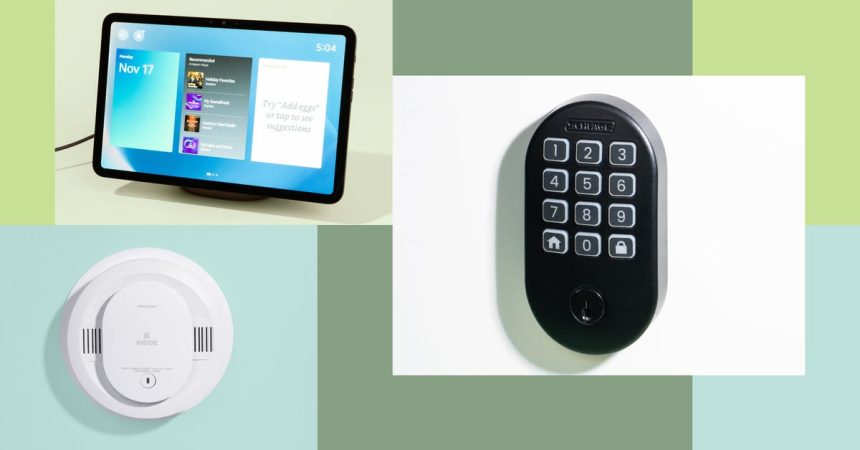
For simplicity and efficiency, consider the Schlage Arrive Smart WiFi Deadbolt. It’s easy to install and operates intuitively, notifying users each time it’s locked or unlocked. This can be crucial for family members who want to ensure that their elderly loved ones are secure while maintaining independence.
Water-Leak Sensors
Water damage represents one of the leading causes of home insurance claims. Smart water-leak sensors can mitigate this risk by sending real-time alerts to your smartphone when water is detected. They are particularly useful because leaks can occur in hard-to-notice areas, such as behind appliances or under sinks.
The YoLink Water Leak Sensor employs dual sensor methods to detect leaks almost instantly. With features like extensive alerts and the ability to silence alarms via app, these devices can prevent significant damage, enabling quicker response times.
Conclusion
Incorporating smart security devices tailored to an older adult’s living environment can foster independence while ensuring safety. Open dialogue between seniors and their caregivers about technology use is crucial. Understanding how these devices work, what data they collect, and the shared responsibility of monitoring can create a trustful environment that maintains autonomy while ensuring peace of mind.