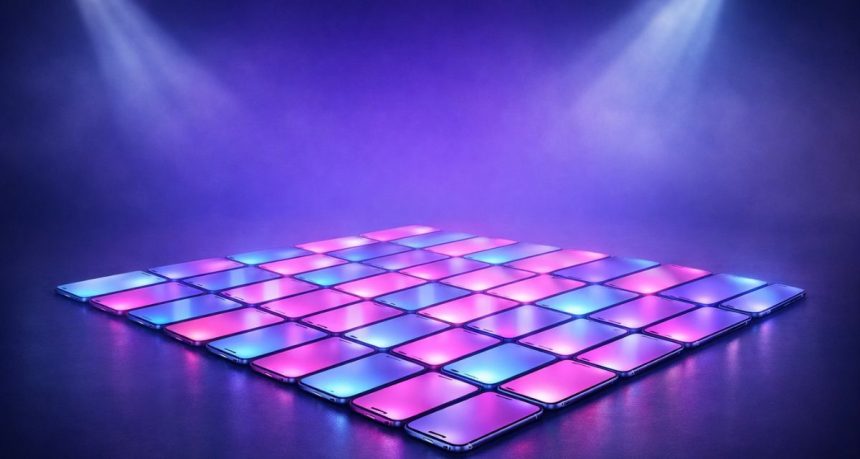
EDM Culture Is Being Reshaped By Smartphones
The Big Drop
The electric dance music (EDM) genre has skyrocketed in popularity, evolving into a staggering $12.9 billion industry with over 500 million fans engaging across social platforms as of 2024. Influencers like David Guetta and Calvin Harris dominate the scene, while festivals such as Tomorrowland and Electric Daisy Carnival draw massive crowds. However, looming over this vibrant landscape is a concern: the fear that EDM may have peaked, potentially paving the way for a new genre to redefine the dance culture.
Behind The Change
A recent report from Bloomberg captures a critical sentiment echoing through the EDM community—questions about the changing nature of club life: “Why is everyone just standing around?” This query encapsulates a cultural shift in how electronic music is experienced compared to its vibrant roots of the past.
The Nightlife Transformation
Traditionally, EDM was synonymous with the nocturnal experience—prolonged sets allowed crowds to lose themselves in the music, all while artists interacted dynamically with the audience’s energy. Yet, as clubbing shifts towards an entertainment model resembling concerts, the atmosphere has fundamentally transformed. Today, smartphones rule the dance floor.
-
Dancing for the ‘Gram: An influx of cameras has led to audiences that are often more focused on capturing the perfect shot for social media rather than immersing themselves in the moment. What used to be spontaneous embraces of rhythm and connection is increasingly replaced by carefully curated social media presences.
-
Music Alterations: This lingering presence of smartphones is even altering the music itself. Artists are adapting by creating shorter tracks that emphasize catchy hooks and drops tailored for radio play and viral enjoyment, reflecting the desires of an audience more geared toward immediate gratification than deeper musical journeys. Moreover, a survey revealing that 61% of DJs believe social media followings now outweigh musical prowess speaks volumes about the evolving industry standards.
-
Changing Live Experiences: Venues are also adapting to this social media-centric mindset. To cater to rapidly changing consumer preferences, clubs are booking more DJs for shorter performances, gravitating toward big-name acts and relying on extravagant production budgets for light shows and multimedia that elevate the overall visual experience. Unfortunately, this shift is causing an uptick in ticket prices while threatening attendance as many find the experience less accessible.
The Economics of EDM
As this transformation continues, economic realities are setting in. The boom in massive clubs fueled by the EDM craze has made some venues unable to sustain their operations amidst rising costs. Particularly in Berlin, the heart of electronic music, half of its 250 clubs are reportedly at risk of closure, reflecting a broader national trend of struggling midsize venues facing the brunt of a rapidly evolving entertainment landscape.
The Future: Phone-Free Revolution
In response to these shifting dynamics, some clubs are reclaiming the dance floor experience by instituting phone-free policies. The resurgence of interest in true connection and organic celebration of music may find its roots in venues that limit digital distractions. The next wave of popular clubs may very well be those that eliminate social media footprints altogether, fostering an atmosphere where people can fully dive into the dance culture reminiscent of its earlier days.
EDM’s evolution continues to intertwine with technology, with smartphones acting as both a catalyst for growth and a mirror reflecting the changing desires of its audience. Only time will tell if the dance floors will return to their former glory or if a new genre will step into the spotlight.