
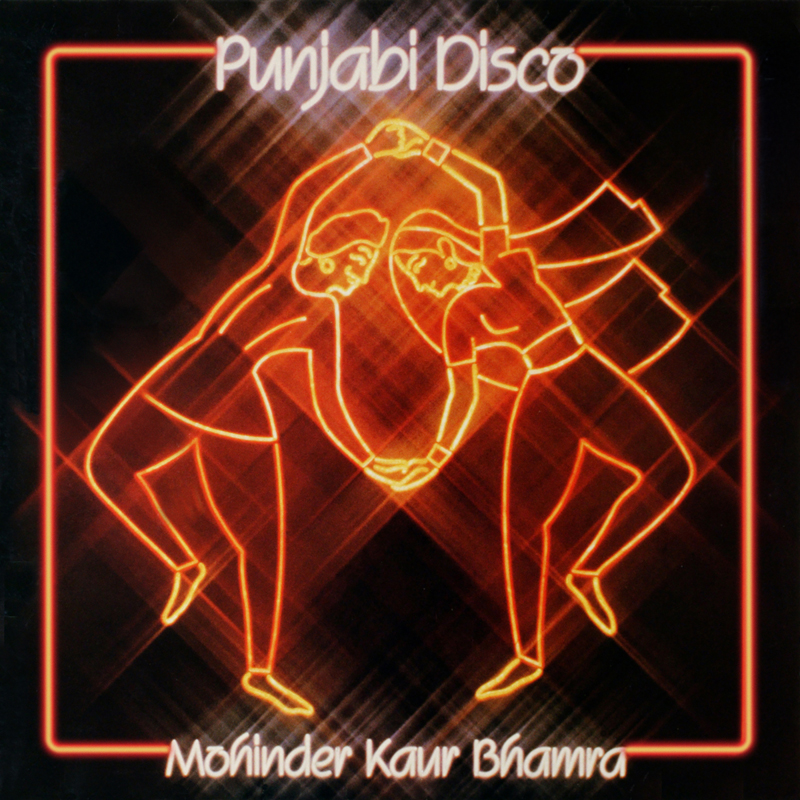
Rediscovering a Hidden Gem: Mohinder Kaur Bhamra’s Punjabi Disco
In an era when electronic sounds were just beginning to merge with traditional styles, Punjabi Disco, an album by Mohinder Kaur Bhamra, emerged from London in 1982. Recently reissued by Naya Beat, this extraordinary record stands as one of the first British South Asian electronic dance albums, blending rich cultural backgrounds with futuristic soundscapes.
The Background Story
Imagine uncovering a mesmerizing disco album lying dormant for four decades, hidden away among decaying master tapes. The vocals come not from the expected club diva but from a British-Punjabi mother known for her soulful recitations of holy scriptures. Mohinder Kaur Bhamra’s voice, resonant with life and culture, was backed by a group of self-taught musicians, including her sons, who pushed the boundaries of creativity using the technology of the time.
Bridging Gender Divides
Punjabi Disco was significant not just for its sound but for its social implications. During an era when Sikh celebrations often divided men and women, Mohinder’s music sought to create a sense of community. Raghav Mani, cofounder of Naya Beat, described her as a “true feminist,” emphasizing her desire for equality at social gatherings. Mohinder’s insistence on including women in her performances symbolized a progressive step in a society where traditional gender roles were firmly established.
A Female Perspective in Lyrics
One of the striking features of Punjabi Disco is that many of its lyrics were penned by a woman—an uncommon feat in the male-dominated South Asian music scene of the time. Kuljit Bhamra, Mohinder’s son, encouraged his mother to write, recognizing the deficit in female representation in lyrics. Instead of generic sentiments written by male songwriters, Mohinder poured her feelings and experiences into the music, offering an authentic perspective on women’s emotions.
A Break from Bollywood Norms
Unlike many contemporary South Asian musical endeavors, Punjabi Disco broke away from Bollywood influences that reigned in the early 1980s. While Bollywood’s disco scene was characterized by overtly flashy productions, Mohinder and her family’s approach was more innovative and groundbreaking. The sounds danced to the tunes of international influences, drawing inspiration from the likes of the Bee Gees and Boney M. rather than Bollywood’s established formula.
Innovative Sounds and Techniques
At only twenty-one, Kuljit Bhamra took the lead in producing the album, opting for electronic sounds over traditional acoustic instruments. He meticulously crafted a unique sound profile by blending presets from machines like the Roland SH-1000 synthesizer and the Roland CR-8000 drum machine. The resulting playful beats and whimsical melodies created a delightful sound that does not conform to the sleek polish of mainstream ’80s music. The raw charm of the album stems from its vibrant diversity, stitched together with experimentation and creativity.
A Journey Through Emotion
The album consists of nine tracks that traverse a spectrum of emotional landscapes. From stark, energetic openers like “Disco Wich Aa,” which immediately draws listeners to the dance floor, to more introspective pieces such as “Nainan Da Pyar De Gaya” that shine a light on Mohinder’s vocal expressiveness, each song offers a unique experience. The bonus track, “Dohai Ni Dohai,” previously unreleased, adds an extra layer to this captivating collection.
Contemporary Remixes
As part of its reissue, Naya Beat has curated a selection of remixes that breathe new life into the original tracks. Among them, Peaking Lights offers a fresh take on “Disco Wich Aa” with a modern acid-house vibe, highlighting the versatility of the album’s foundational sound.
The Legacy of Mohinder Kaur Bhamra
Now at eighty-nine, Mohinder Kaur Bhamra’s legacy is being revived, and her work serves as a vital reminder of the rich tapestry of musical history often overlooked. Her fusion of traditional Punjabi sounds with electronic rhythms predates the rise of British Asian electronic music in the 1990s, placing her firmly among the visionary artists of her time. The reemergence of Punjabi Disco not only celebrates a pivotal work in South Asian music but prompts us to reflect on the essential voices that have shaped the narrative of cultural fusion.
Through this reissue, Punjabi Disco has sold out quickly, only proving how its timeless appeal transcends generations, suggesting that sometimes, the most transformative music arises from unexpected places, weaving together narratives of identity and innovation.