Revolutionizing Road Maintenance: A Partnership for Safer Streets
In a groundbreaking initiative, an innovative research collaboration between the University of Cincinnati (UC), Honda Motor Co., and the Ohio Department of Transportation (ODOT) is set to transform how we address potholes and other road issues. As winter’s wear and tear often leaves roads in dire need of attention, this pilot project promises to leverage cutting-edge technology to improve road safety and maintenance.
Dashboard Technology at the Forefront
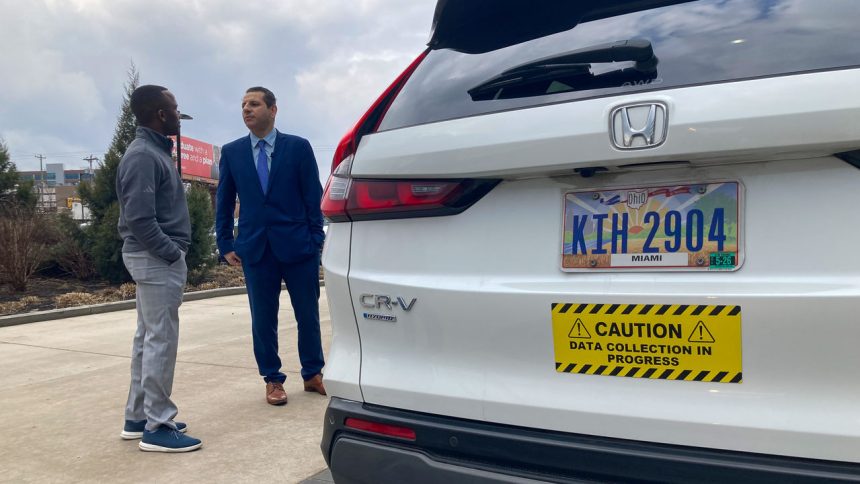
Led by Professor Munir Nazzal from UC’s College of Engineering and Applied Science, the project harnesses the power of vehicles equipped with advanced dashboard cameras and sensors. These high-tech vehicles can autonomously track and report various infrastructure issues, ranging from damaged guardrails to faded lane markings. The goal is simple yet ambitious: create a more efficient way to monitor road safety before problems escalate.
Real-World Testing and Impressive Results
Honda’s contribution to this pilot program has been significant. The company recently released results showcasing the Proactive Roadway Maintenance System in action across Ohio’s expansive roadway network. Collaborating with Parsons Corp. and i-Probe Inc., the research team meticulously analyzed over 3,000 miles of roads. The data collected provided invaluable insights into road conditions, allowing for timely maintenance that can prevent accidents and improve travel experiences.
The results of this sophisticated monitoring system are nothing short of impressive. Honda reported a staggering 99% accuracy in detecting damaged or obstructed signs, 93% accuracy for identifying damaged guardrails, and an 89% success rate for pinpointing potholes, including their severity and precise locations. These statistics highlight how technology can play a pivotal role in maintaining the safety of our roads.
A Shift in Maintenance Focus for ODOT
For ODOT, the implications of this technological advancement are profound. As Sue Bai, chief engineer at American Honda Motor Co., articulated, the project allows for a major shift in focus: “ODOT can now focus on fixing the problem instead of detecting the problem. In the future, the driver will be part of the detection process.” This philosophy not only optimizes resource allocation but potentially saves money and time.
With real-time data generated by vehicles on the road, maintenance crews can prioritize repairs based on actual conditions rather than relying solely on periodic inspections. Such a proactive approach could significantly enhance road safety and decrease the likelihood of accidents caused by infrastructure deficiencies.
Enhancing Infrastructure Monitoring Through Innovation
Nazzal envisions a future where vehicles are integral to the ongoing assessment of roadway infrastructure. He stated, “The vehicle will be the way that you can monitor and assess the infrastructure, basically to make the roads safer.” This forward-thinking perspective proposes a significant evolution in how we interact with our transportation system, making it a collaborative effort between technology and human drivers.
In embracing this innovative strategy, not only are we addressing current road safety challenges, but we are also paving the way for future endeavors that further integrate technology into everyday life.
The Takeaway
The collaboration between academia, industry, and government exemplifies how innovative solutions can address longstanding infrastructure issues. By harnessing technology that allows vehicles to take an active role in monitoring roadway conditions, we are stepping into a new era of road maintenance. As this pilot project unfolds, it sets the stage for broader applications that could bring about solutions not just in Ohio, but across the country.
For those interested in the specifics of this initiative, you can explore the detailed report provided by WLWT-5, which includes a firsthand look at the project and its promising implications for road safety.
[Watch the WLWT5 report here.]