
Introduction to Direct3D and Its Importance
When diving into the world of PC gaming, one cannot overlook the vital role of the graphics API. At the forefront of this landscape is Microsoft’s Direct3D, a pivotal component that guides the GPU’s tasks, ultimately shaping the gaming experience. The release of Direct3D 12, commonly shortened to D3D12, has ushered in an exciting update—recently unveiling a new shader model and various enhancements that, while they may seem obscure to gamers, are sure to delight developers.
Unpacking Shader Model 6.9
At the heart of the latest D3D12 update is the introduction of Shader Model 6.9. This enhanced version primarily focuses on improving performance through new commands in HLSL (High-Level Shader Language), specifically catering to two features of DirectX Raytracing (DXR) 1.2: opacity micromaps and shader execution reordering (SER). Readers interested in a more technical dive can explore further details through Microsoft’s blog. However, be prepared for dense reading, as it is tailored for a more technical audience.
Understanding Opacity Micromaps
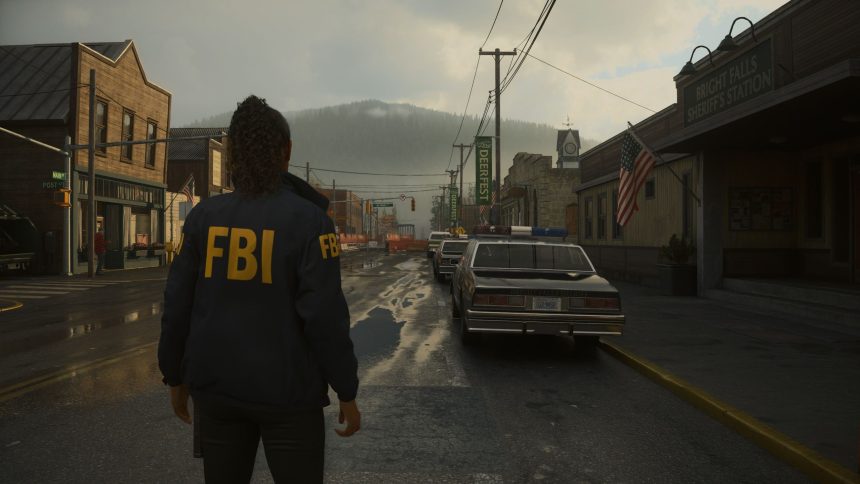
Opacity micromaps are a critical addition that serves as a game-changer, particularly in rendering complex scenes with numerous transparent or translucent objects. This feature, while previously available in an earlier version of D3D12, enables GPUs to handle layers of transparency more effectively. This improvement translates directly into smoother visuals and better frame rates, especially when gaming. Recent titles like Alan Wake 2 and Indiana Jones and the Great Circle leverage this technology to deliver stunning graphical fidelity and optimize Ray Tracing effects.
The Mechanics of Shader Execution Reordering
Shader Execution Reordering (SER) introduces an innovative approach to managing shader workloads. Ray tracing demands a significant amount of processing power, as it often requires GPUs to deal with varied workloads simultaneously. SER enhances performance by intelligently reordering the execution of shaders. This optimization maximizes GPU efficiency, allowing for quicker access to data caches, reducing bottlenecks, and improving frame rates in complex scenes.
Compatibility with Current Hardware
One of the noteworthy features of the new D3D12 update is its immediate compatibility with Nvidia’s RTX 40 and 50 series graphics cards, which already support both opacity micromaps and SER. This inclusion plays a crucial role in games like Alan Wake 2 and Indiana Jones and the Great Circle, where the improved processing capabilities make real-time ray tracing a reality without sacrificing performance.
Upcoming Developments for Other GPUs
While Nvidia’s offerings currently dominate this space, the inclusion of these features in Direct3D implies that competitors like AMD and Intel could adopt similar capabilities in their upcoming graphics cards. As both companies work on next-generation Radeon and Arc GPUs, gamers can anticipate more competitive options that offer comparable performance enhancements.
Further Enhancements in D3D12
Beyond the major additions of Shader Model 6.9, the D3D12 update encompasses numerous minor enhancements aimed at improving coding flexibility and optimizing the communication between the CPU and GPU. These modifications, while perhaps lacking in immediate visibility from a gamer’s perspective, play an essential role in easing the workload for graphics engine developers—ultimately leading to faster and smoother gaming experiences.
The Future of Gaming Graphics
As we look to the evolving landscape of gaming graphics, the ongoing innovations in APIs like Direct3D, particularly with shader models, indicate an exciting horizon. While gamers focus on the immediate aspects of gameplay and graphics quality, the ongoing work at the developer level ensures that the future of gaming will keep getting better, albeit possibly with AI playing a bigger role in the design and execution of graphics. It’s an evolving dynamic that warrants attention from anyone passionate about the world of PC gaming.