In the 90s, electronic dance music, or EDM, was the underground sound of the moment. It lived in the shadows, thriving in secret warehouse raves, abandoned fields, and dingy clubs. It was a subculture, a community built around a shared love of a repetitive beat and being an outsider. Today, that same sound has transformed into the soundtrack of some of the biggest festivals on the planet, a dominant force in pop music, and an essential part of the world of online gaming.
The narrative of EDM’s evolution from fringe to forefront of global culture is nothing short of epic. It’s a saga woven with threads of technological innovation, commercial explosion, and a fundamental change in how we consume music. In this exploration, we will dissect the shifts within EDM since its roots in the bustling 90s rave culture, and the multifaceted forces driving its seemingly unstoppable rise.
From Secret Raves to a Global Movement
Early EDM existed in a clandestine realm, encapsulated by the PLUR culture: Peace, Love, Unity, and Respect. Raves were often illegal gatherings, their locations shared through fliers and whispered rumors. This raw and diverse sound came in various forms – from techno to house, trance to jungle – and birthed legendary DJs, who, while celebrated within the scene, remained unknown outside it. Individuality among ravers often faded into the background, consumed by the powerful collective experience of the music and dance floor.
As we moved toward the late 90s and early 2000s, the underground sounds began to seep into the mainstream. Acts like The Chemical Brothers, Fatboy Slim, and Daft Punk started gaining traction, their songs making appearances in films and commercials. This marked a pivotal transition for electronic music, presenting it not merely as an underground phenomenon but as a mainstream alternative in pop culture, paving the way for broader acceptance.
The Rise of the DJ as a Rock Star
In the 2010s, we witnessed the meteoric rise of the DJ as a global icon. With the surge of bro-step and progressive house, artists like Skrillex, Avicii, and David Guetta emerged as household names. This new wave of EDM was characterized by its heightened intensity, catchy melodies, and festival-ready anthems.
The music during this era was defined by the “drop,” a crucial moment that built tension only to release it in an explosive bass and synth crescendo. This powerful interplay created a shared emotional experience for massive crowds, transforming DJs from mere record players into full-fledged performers and main attractions. They demanded exorbitant fees, showcased elaborate stage productions complete with pyrotechnics and dazzling LED displays, and frequently traveled the globe in private jets. The once-anonymous figure concealed in a dark corner of a club evolved into a modern-day rock star.
The Festival Experience
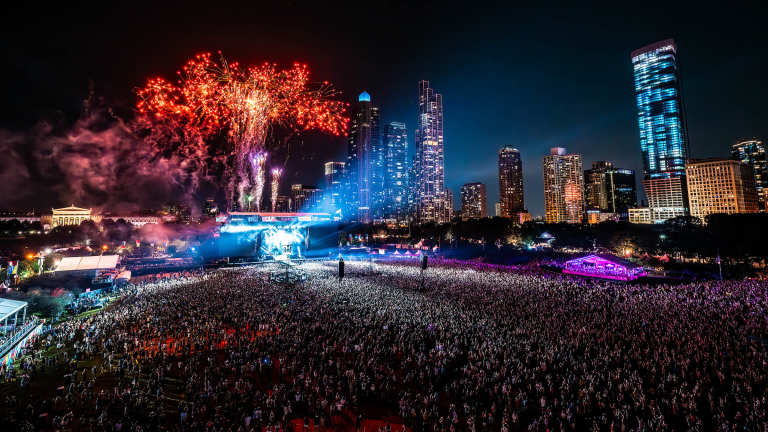
As DJs rose to prominence, so too did the festivals. Initially small, intimate events evolved into gigantic spectacles like EDC Las Vegas, Tomorrowland Belgium, and Ultra Miami. These gatherings transcended mere music events, morphing into intricate experiences teeming with carnival rides, art installations, costumed performers, and astounding production values. This festival culture turned EDM into an industry worth billions and marked a rite of passage for millions. The intimate, personalized vibe of 90s raves gave way to grand productions, solidifying EDM’s place within mainstream culture.
The Digital Age: Streaming, Social Media, and Gaming
The internet played a crucial role at every stage of EDM’s trajectory. Early exposure came through online forums and file-sharing platforms, paving the way for the music to reach broader audiences. Nowadays, platforms like Spotify and SoundCloud make discovering new artists and genres more accessible than ever. A budding producer can create a track in a bedroom, upload it online, and potentially achieve viral fame overnight, circumventing traditional music industry gatekeepers entirely.
Furthermore, social media has fostered direct connections between artists and their fans. DJs share behind-the-scenes glimpses, new tracks, and live shows across platforms like Instagram and TikTok, cultivating a sense of community and loyalty among listeners. Recently, EDM has become the go-to soundtrack for gamers. Players often blast EDM tracks while gaming, believing they enhance concentration and overall performance. This trend has led to an abundance of playlists specifically tailored for gaming on platforms like Spotify.
Game developers have taken note, integrating EDM into their soundscapes. Titles such as Cyberpunk 2077 heavily feature EDM, while games like Fortnite have hosted virtual concerts with superstar DJs like Marshmello. Moreover, EDM has seeped into niche gaming sectors, including the iGaming industry, with developers incorporating EDM as a backdrop for video slots and live dealer rooms. Such platforms recognize that providing bonuses is only part of the equation; maintaining a library aligned with popular trends is critical for remaining relevant and competitive.
The Sound Spreads
The big-room festival sound dominated much of the 2010s, yet the EDM landscape is more diverse than ever. As mainstream sounds grew increasingly commercial, fans and artists began exploring alternative avenues, leading to a resurgence of the genre’s foundational roots. Today, virtually every subgenre imaginable has a dedicated scene, from the deep, hypnotic grooves of techno and house filling clubs from Berlin to Ibiza, to melodic and emotional genres like progressive house and trance retaining their global followings.
New sounds continue to emerge, weaving together elements of hip-hop, pop, and world music with electronic beats. This evolution ensures that the EDM genre remains vibrant and continually adapts, catering to an expansive range of tastes and preferences.