The Enduring Allure of Acid House Music
Acid House music—a genre that emerged in the late 1980s—remains an enigmatic and vibrant part of the electronic music landscape. Characterized by its repetitive beats, hypnotic bass lines, and the iconic squelchy sound of the Roland TB-303 synthesizer, Acid House has developed an ethereal quality that draws fans beyond its historical borders. At the core of its allure is a paradoxical depth of simplicity, often celebrated for its ‘dumbness’ while simultaneously thriving on the concept of failure.
The Origins of Acid House
Acid House began in the clubs of Chicago and quickly spread to the UK in the late 1980s, largely popularized by DJs like Frankie Knuckles and later, the likes of Phuture and the iconic track “Acid Tracks.” The genre’s roots lie in the melding of disco, house, and electronic music—an experimental blend that drew heavily from the burgeoning dance culture of the time. Its conceptual framework was fueled by an underground ethos, where the music served not just as entertainment but as a communal experience, weaving a unique tapestry of social connection through a shared love of rhythm and dance.
The Aesthetic of ‘Dumbness’
Jan Tumlir’s exploration of Acid House emphasizes its “inherent dumbness,” suggesting that the genre’s apparent simplicity is, paradoxically, foundational to its charm. The repetitive nature of Acid House tracks may seem uninspired at first glance, yet this very repetitiveness creates a meditative atmosphere. It allows the listener to engage deeply with the music, almost losing themselves in the hypnotic grooves. This accessibility encourages participation—whether through dancing in clubs or engaging in DIY music production. The act of losing oneself in the beat renders Acid House a universally appealing type of soundscape.
Embracing Failure
A captivating aspect of Acid House is its ability to embrace failure both musically and socially. Unlike genres requiring intricate musicianship or technical prowess, Acid House welcomes imperfection and experimentation. Early Acid tracks were often created using budget equipment, leading to unconventional sounds and methods. This rough-around-the-edges quality endears the genre to its audience, who find beauty in the raw authenticity of the sound. The use of the TB-303, with its distinctive, glitchy notes, reflects this ethos perfectly. The uniqueness of each track—imperfections included—invites listeners into a world where the unexpected can be beautiful.
Cultural Impact and Community
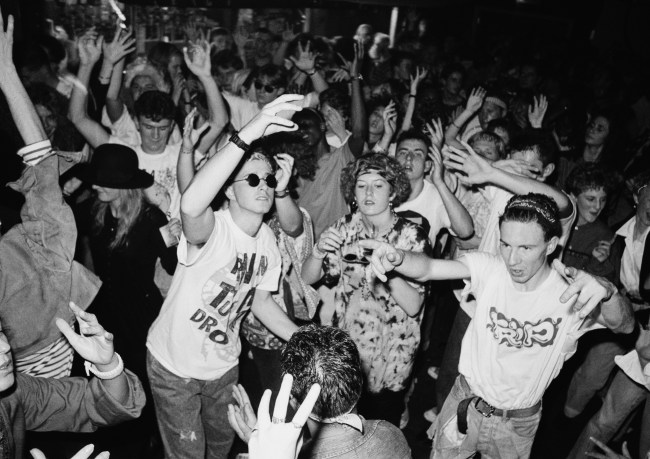
Beyond its sonic characteristics, Acid House represents a cultural movement that transcends geographical and social boundaries. The rise of Acid House coincided with significant shifts in nightlife and party culture, notably the warehouse raves of the late 1980s and early 1990s. These events fostered egalitarian spaces where individuals from various backgrounds could connect through the shared experience of music and dance. The combination of freedom and community created an environment that encouraged exploration and expression, establishing Acid House not merely as a genre but as a lifestyle.
The Aesthetic Evolution
Over the decades, Acid House has evolved, absorbing influences from various genres and movements. Artists today often merge Acid influences with techno, house, and even pop music, resulting in a rich tapestry of sounds that keep the genre relevant. New generations of producers experiment with the original elements while introducing modern production techniques, showcasing Acid’s adaptability. Notable artists like Green Velvet, Derrick Carter, and even recent figures such as Aphex Twin and Charlotte de Witte illustrate how Acid House continues to reshape itself while holding onto its foundational aesthetics.
Acid House and Technology
The rise of technology—particularly within music production—has propelled Acid House into a new era. Producers now have access to software that can replicate the classic sounds of Acid, enabling them to experiment without the constraints of physical hardware. This accessibility democratizes music creation, allowing amateur musicians to engage with the genre while producing tracks that can resonate on an international scale. Platforms like SoundCloud and Bandcamp have birthed fresh Acid House sounds, creating an online space for discovery and interaction among fans.
Global Embrace
The global allure of Acid House is undeniable. Festivals and clubs worldwide embrace its ethos, from underground scenes to mainstream events. This genre fosters a sense of belonging that transcends borders, languages, and cultures. In numerous places—from the rooftops of Berlin to the back alleys of Tokyo—participants experience the same euphoria it sparked in Chicago nearly four decades ago. This international embrace highlights Acid House’s cultural significance as both a sound and a social movement.
Conclusion
Acid House music transcends mere sound; it encapsulates a spirit of freedom, community, and an embrace of both simplicity and chaos. Through its unique history and cultural significance, Acid House continues to resonate with new audiences, reminding us that music, at its core, is about connection and experience.