Celebrating Resilience: Valentina Moretti’s Journey in Music
Honoring Women’s History Month
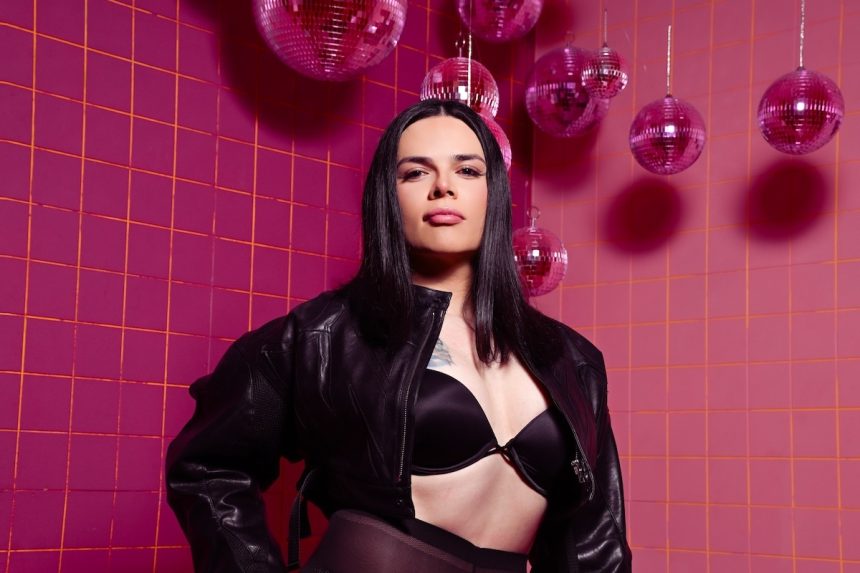
In celebration of Women’s History Month, Atwood Magazine has invited various artists to share their thoughts on identity, music, and culture, thereby shining a light on stories often overshadowed in the mainstream narrative. Among them, Valentina Moretti stands out as a formidable force—a DJ, producer, and visionary artist whose reflections illuminate not just her resilience but also the broader struggles and victories of trans women in the music industry.
A Rising Star
Valentina Moretti is not merely another name in the music scene; she is a pioneer. Known for her avant-garde approach to electronic sounds, she has already gained recognition from industry giants such as Pete Bellotte, Richard Gibbs, and Gordon Raphael. Valentina’s work doesn’t just fill playlists; it resonates with people, earning her spots on major platforms like Spotify and Apple Music, as well as a feature on a Times Square billboard—an impressive feat for any artist, let alone for a trans woman from Latin America.
Bridging Genres and Cultures
Her distinctive sound blends indie dance, house, and techno, making her performances at major festivals like EDC and Tecate Emblema unforgettable experiences. Valentina has not only carved out her niche but has also collaborated with prominent Latin artists, affirming her commitment to diversity and inclusion within the music industry. Furthermore, as an ambassador for brands like Roland, Korg, and Novation, she is setting new standards in a still male-dominated field.
The Personal Struggle
In her heartfelt essay, Valentina emphasizes that she does not seek sympathy or recognition solely because of her identity as a trans woman; instead, she wants her work to be appreciated on merit. She notes that the conversations around inclusivity have progressed but does not always reflect the realities of marginalized individuals in creative industries.
Overcoming Rejection
Starting her journey in the streets of Mexico, Valentina faced immense challenges, including the harsh realities of homelessness after her family and friends turned their backs on her. Music became her lifeline, a beacon of hope guiding her through the darkest times. Her experience of rejection in the music industry was not just a mere disappointment; it was a reflection of systemic biases that discouraged her based on her identity.
When presenting her work, she often encountered dismissive attitudes, not only due to her gender but also because her artistic vision did not conform to conventional expectations. These obstacles led her to feel that the music industry was rigged against her—impossible standards were set, leaving little room for authentic artistic expression.
A Turning Point
Despite numerous setbacks, Valentina harnessed her pain and transformed it into empowerment. Tired of waiting for permission to be heard, she launched her own record label, Rex Records, marking her transition from rejection to self-determination. To her amazement, her music began resonating with audiences; her first track, “Roller Derby Girls,” became a stepping stone, allowing her to share her unique vision with the world.
Building Bridges
In 2025, Valentina achieved a groundbreaking milestone by becoming the first Latin trans woman to headline a BBC Radio Dance broadcast. This pivotal moment solidified her place in a landscape that often marginalizes voices like hers, showing that music can indeed be a vehicle for cultural evolution and social change.
Valentina’s courage to embrace her identity and push back against systemic barriers paved the way for the future generation of artists. Her recent efforts to launch a new label, CyberFetish, underline her ongoing commitment to inclusivity, aiming to empower diversity and freedom of expression in electronic music.
A Message of Hope
Through her journey, Valentina emphasizes the importance of resilience, love, and community. She encourages others to pursue their passion despite societal barriers, reiterating that art should reflect individuality and provoke thought. By sharing her story, she aspires to be a guiding light for those who feel alone in their struggles.
The music industry may still be fraught with challenges for marginalized artists, but figures like Valentina Moretti serve as reminders that perseverance and authenticity can pave the way for fundamental change. Her narrative transforms the conversation around representation, creating a space where every artist can dream, create, and thrive, irrespective of their background.