Embracing the Music Festival Experience: Safety First
As music festival season kicks into high gear, fans are buzzing with excitement about vibrant live performances and unforgettable moments. While the allure of dancing to favorite tunes and rubbing shoulders with beloved musicians is undeniable, experts emphasize the importance of safety and preparation.
The Evolving Landscape of Festival Safety
“Live music nourishes your soul and makes you feel truly alive,” says Chris Bro, the host of the Next radio show in Maryland. His enthusiasm is echoed by Matt Friedman, the national medical director at CrowdRx, which oversees medical care at numerous major festivals. Friedman reassures festival-goers that these events are “safer than ever” due to a heightened focus on on-site medical staff and equipment.
However, the reality remains: vigilance is essential. Medical emergencies at festivals can vary dramatically depending on genre, duration, and climate. For instance, jazz festivals usually have lower medical usage rates, while heavy metal events are notorious for injuries related to mosh pits and alcohol-related incidents. In contrast, electronic dance music festivals can lead to a different kind of challenge, where some attendees may overindulge in stimulant drugs.
Diverse Risks Across Genres
Specific genres pose unique risks. Classical music festivals, which attract an older audience, often report more cardiac events. Musician Armelle Gloaguen, who has attended legendary festivals like Woodstock ’94, advises attendees to focus on enjoying the music rather than succumbing to the temptation of drugs and alcohol. “Don’t accept food or drinks from strangers, and be aware of your limits,” she cautions.
Festival Preparation: Know the Rules
Before heading out, it’s crucial to thoroughly check the festival’s rules. Policies regarding items like chairs, outside food, and umbrellas can vary widely. For example, while Coachella prohibits them outright, Tanglewood welcomes picnics and umbrellas as long as they are within size limits. Downloading the festival’s official app and bringing a portable phone charger can make navigation much smoother. Upon arrival, taking some time to familiarize yourself with the venue layout — including the locations of medical tents and cooling stations — can be life-saving.
Heat and Hydration: Key Considerations
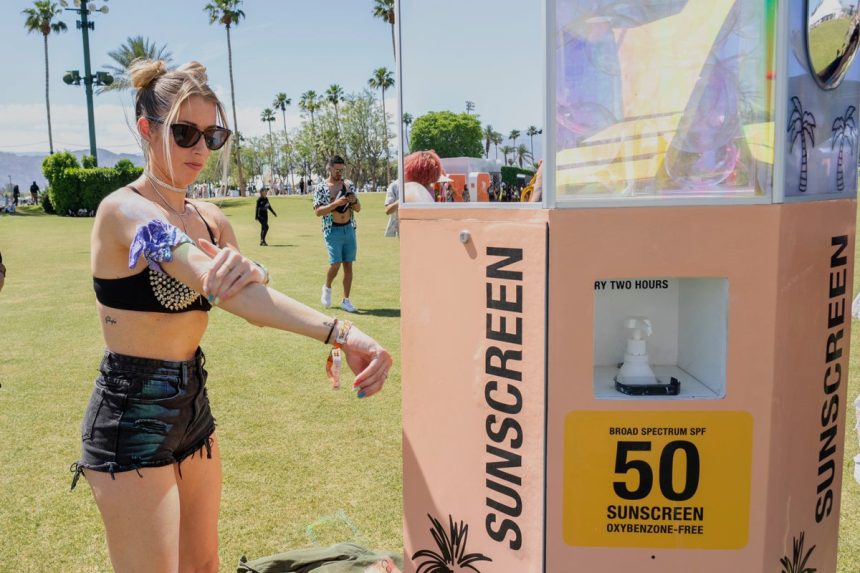
One of the primary health concerns at music festivals is heat-related illnesses, particularly in warmer climates. Julie Puzzo, assistant medical director at JFK Memorial Hospital near Coachella, emphasizes that “heat-related illnesses can escalate quickly.” Participants should be prepared for conditions that can range from heat cramps to life-threatening heat strokes. Hydration is crucial; opting for electrolyte-containing beverages, wearing layers and protective clothing, and using non-aerosol sunscreen can make a significant difference.
Many festivals have started to combat extreme heat with mobile cold-water immersion tanks to help cool attendees. Moreover, Friedman warns that at multi-day events, the risks of malnutrition, dehydration, and exhaustion can accumulate. His best piece of advice? “Stick with your friends so you can watch out for one another.”
Footwear and Other Essentials
Choosing the right footwear is another vital aspect of festival safety. Both Friedman and Puzzo strongly advise against sandals, heels, or flip-flops. Comfortable, closed-toe shoes are critical for maneuvering uneven terrain and safeguarding against sharp objects, which can help to prevent common injuries like sprains and foot contusions.
Moreover, other safety items can significantly enhance your festival experience. If you’re prone to respiratory issues, consider carrying a backup inhaler, as dust storms can worsen breathing difficulties. Protecting your eyes from potential irritants is also important; sunglasses or goggles are highly recommended for outdoor venues.
Protecting Your Hearing
Hearing protection is paramount at loud festivals. Audiologist Greta Stamper from the Mayo Clinic suggests wearing earplugs and avoiding close proximity to speakers. Incorporating listening breaks throughout the event can also alleviate stress on your ears. Signs that you’ve been exposed to excessive volume include muffled hearing or ringing in your ears. For children, over-the-ear headphones offer superior protection compared to earplugs alone.
Mindful Choices Enhance Your Experience
Festival organizers often urge attendees to be mindful about their drug use. Many substances acquired at events may not be what they seem, posing significant dangers, especially when mixed with heat and alcohol.
Despite all the necessary precautions, at the heart of the festival experience lies the joy of music and connection. Embracing the unexpected and immersing yourself in the vibrant atmosphere can create lasting memories. As Gloaguen notes, engaging with musicians can be incredibly meaningful. “Simply thanking them and discussing your love for specific songs can leave a lasting impression.”
Ultimately, music festivals are about striking a balance: letting loose and enjoying the music while also being sensibly aware of your environment and well-being. By keeping safety at the forefront, you can truly savor every note and every moment of this exhilarating experience.