The Resilient Evolution of the Electronic Music Industry
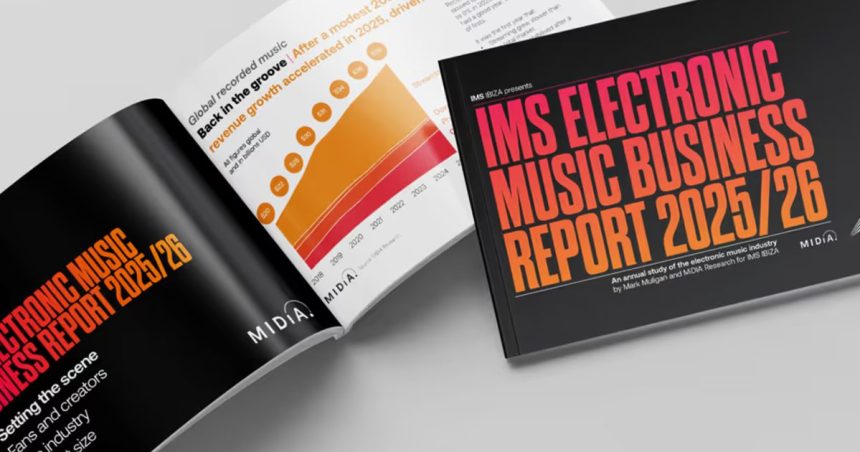
The electronic music industry has emerged with impressive resilience, as highlighted at the International Music Summit (IMS) Ibiza 2026. According to the latest MIDiA Research business report, the global industry experienced a remarkable growth of 7% in 2025, surpassing the 6% increase of the previous year. This upward trajectory illustrates a sector brimming with vitality, but it’s the underlying shifts in how dance music is created, consumed, and monetized that deserve further examination.
The Rise of the Global South
One of the most compelling stories emerging from the report is the ascent of the Global South as a powerhouse in the music industry. Traditional markets like North America and Europe are no longer the sole authorities; instead, countries from regions such as South America, Africa, and Southeast Asia are stepping into the spotlight. These nations, often characterized by their large populations and vibrant cultural scenes, are now shaping the sounds and trends of electronic music. This shift is indicative of a broader cultural exchange, where styles, influences, and fan engagement now span continents.
Changing Engagement Patterns
As the growth of music streaming subscriptions reached an astonishing 919 million in 2025, the way fans interact with music has undergone a transformation. Interestingly, the report reveals that streaming is now the “least” growing sector. This denotes a significant shift in consumer behavior, suggesting that audiences are seeking deeper connections with artists beyond just streaming their tracks. This engagement manifests in various forms such as merchandise sales, physical revenue streams, and immersive experiences like meet-and-greet events. Fans are no longer passive consumers; they crave interaction and authenticity in their musical experiences.
A New Blueprint Inspired by South Korea
Industry leaders are increasingly looking to South Korea for inspiration on reshaping how music is marketed and monetized. The country’s K-Pop phenom has demonstrated the power of building an artist’s brand through physical touchpoints and community engagement. This model emphasizes the importance of fostering a loyal fanbase before launching music itself. Thriving on live performances, merchandise, and fan interactions, South Korean artists create ecosystems that prioritize community over mere consumption. The IMS report applauds this approach, suggesting that adopting similar strategies could fortify the electronic music industry as it evolves.
Diversifying Revenue Streams
The electronic music industry’s resilience can largely be attributed to its newfound ability to diversify revenue streams. No longer is success solely measured by streaming numbers. Artists and labels are broadening their horizons by tapping into various income sources. From selling exclusive merchandise to hosting intimate live shows, engaging fans on multiple levels has become essential. This diversification allows creators to buffer against market fluctuations and enjoy more stable financial prospects. It also caters to a growing desire for tangible experiences, both for the artists and their fans.
The Shift from Digital to Physical
Though digital consumption remains pivotal, the recent trends indicate an increasing value placed on physical products and experiences. In an era when everything seems ephemeral, fans are yearning for something that they can hold onto—be it vinyl records, limited edition merchandise, or unforgettable experiences at live events. This desire for physicality is not just about nostalgia; it’s about building a connection that digital platforms alone often fail to provide.
Community-Centric Approaches
As artists increasingly shift their focus from merely delivering music to fostering community ties, the industry is witnessing a paradigm shift. Fans are seeking not just songs but a sense of belonging and collective experience. This perspective encourages the creation of spaces—both online and offline—where fans can come together, share their passion, and participate in something larger than themselves. This community-centric approach is proving vital for both independent and mainstream artists, as it cultivates loyalty and creates a network of support.
In summary, the electronic music industry’s current landscape is not just about numbers; it’s a dynamic tapestry woven from cultural shifts, evolving consumer behavior, and innovative approaches to monetization. As the industry continues to adapt, these factors will remain crucial in shaping its future.