The Ultra Music Festival Controversy: Sound and Community in Miami
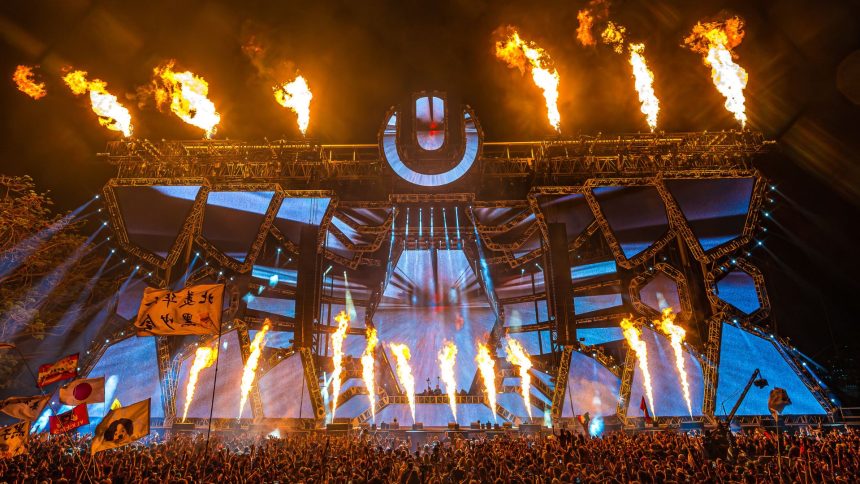
The festival has grown from a modest electronic gathering into one of the world’s most recognizable EDM brands.
Photo credit: Ultra Music Festival
A Soundscape Under Siege
As Miami city officials contemplate granting the Ultra Music Festival a 20-year extension at its waterfront venue, Bayfront Park, a growing discontent has emerged among local residents. A lawsuit has been filed against Ultra’s parent company, Event Entertainment Group, Inc., accusing them of unleashing what the Downtown Neighbors Alliance describes as “acoustic bombardment.” This contentious dispute highlights the tension between the vibrancy of Miami’s music scene and the residents’ right to peace and quiet.
The Lawsuit: Key Allegations
The lawsuit centers on claims that the festival routinely breaches a prior settlement agreement designed to manage sound levels during the event. Residents argue that they are subjected to what they label as an “apocalyptic, ear-shattering, and relentless sonic assault.” According to the complaint, the festival’s noise permeates residential towers, creating an environment described as “psychological torture.” The grievances aim to hold Ultra accountable for exceeding decibel limits, which were set to protect the community’s well-being.
Breaching Agreements
In 2021, a prior agreement established a “Sound Management Program” between Ultra and impacted residents. This program was intended to cap noise levels and implement sound-monitoring strategies, along with a 24-hour complaint hotline for residents. However, the lawsuit asserts that, over the past three years, Ultra has repeatedly violated these limitations, leading to increasing frustration among the community.
The Evolution of Ultra Music Festival
Since its inception in 1999, the Ultra Music Festival has undergone a remarkable transformation. Initially a modest gathering, it has ascended to become one of the most recognizable brands in electronic dance music (EDM), attracting around 165,000 attendees from over 100 countries in its most recent edition in March 2026. Co-founded by Russell Faibisch and Alex Omes, the festival takes its name from a Depeche Mode album and has grown tremendously, paralleling the rise of electronic music in popular culture.
Community and Celebration vs. Disruption
The recent noise complaints have brought the city’s complex relationship with the festival into the spotlight. While Ultra serves as a significant cultural and economic driver, fostering a sense of unity and excitement, it also poses challenges for those who live in close proximity to the event. The festival is viewed by many as a symbol of Miami’s vibrant nightlife, yet the experience can feel invasive for residents hoping to enjoy their homes without the intrusion of loud music and bass.
Local Officials’ Stance
Miami city commissioners had intended to vote on a licensing agreement for the festival at Bayfront Park last month but deferred the decision. This reflects the gravity of the situation, as local officials must balance the festival’s contributions to the city’s cultural landscape with the need to uphold the quality of life for its residents. Earlier this year, the significance of the festival was recognized when Miami-Dade County declared March 28 as “Ultra Music Festival Day,” illuminating both the local pride and the challenges that come with it.
The Future of Ultra at Bayfront Park
As the lawsuit unfolds, the future of the Ultra Music Festival at its beloved Bayfront Park location remains uncertain. Community members are hopeful for a resolution that respects both their right to peace and the festival’s place in Miami’s music history. Meanwhile, proponents of the festival argue for its integral role in promoting Miami as a premier destination for music lovers worldwide.
In Summary
The ongoing dispute serves as a microcosm of broader societal issues, including noise pollution, urban livability, and the cultural dynamics that shape modern city life. As both sides prepare for potential negotiations, it remains to be seen whether the festival will adapt to satisfy the community or if the residents will have to compromise on their peace for the vibrancy that the Ultra Music Festival brings to Miami each year.