
Warner Music Group’s Bold Dive into AI: An Industry Game Changer
Warner Music Group (WMG) isn’t just dipping a toe into the waters of artificial intelligence; it’s diving in headfirst, making waves that are hard to ignore. Recently, WMG secured its place on TIME’s 100 Most Influential Companies list, a recognition that speaks volumes about the company’s approach to the rapidly evolving tech landscape. What sets WMG apart in this moment is not just their willingness to embrace AI but their strategic vision to shape its future in the music industry.
The Industry’s Uneasy Relationship with AI
The music industry has often found itself at a crossroads with new technology. On one side, you have artists and industry veterans who are anxious about the implications of AI, fearing it may overshadow human creativity and undermine their livelihoods. On the other, a wave of innovators is rushing to build startups, viewing AI as a means to revolutionize how music is created, distributed, and consumed. Amid this climate of uncertainty, WMG stands out by striving to strike a balance between protecting artists and harnessing the benefits AI offers.
A Calculated Strategy Under Leadership
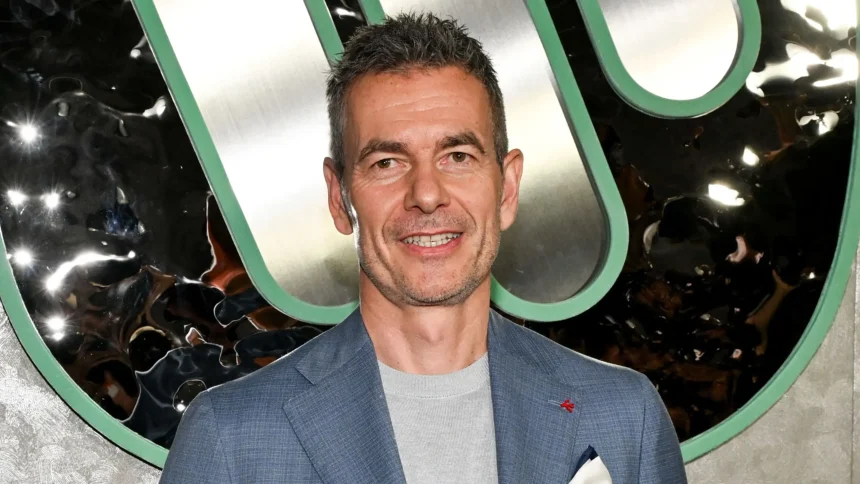
Under the guidance of CEO Robert Kyncl, WMG has taken a proactive stance in forming partnerships with AI companies—names like Suno, Udio, Klay, and Stability AI are quickly gaining recognition in the industry. These collaborations are not just random alliances but well-thought-out moves that come with strict parameters designed to safeguard artists’ interests. For instance, artists will have the option to opt-in for any AI-assisted projects, ensuring they have control over how their work is used.
Additionally, WMG is championing legislative efforts like the NO FAKES Act, which aims to prevent the misuse of digital identities. This focus on ethical considerations showcases WMG’s dedication to fostering a healthy environment for both artists and tech innovators, making their strategy one of comprehensive foresight.
A New Era of Collaboration
Historically, the music industry’s response to technological disruption has often been defensive, characterized by lawsuits and negotiations that came after the fact. This time, WMG is flipping the script by opting for collaboration from the get-go. By forming partnerships rather than waiting to react to challenges, WMG is positioning itself as a leader in the music tech space rather than a follower.
The strategy revolves around some key tenets: ensuring that AI is trained on licensed music, guaranteeing that artists receive fair compensation, and maintaining the intangible “magic” of music that fans cherish. With these pillars in place, WMG is working to ensure that technology enhances rather than diminishes the artistic experience.
Intent Over Fear
What distinguishes WMG’s approach is its fundamental belief that AI can serve as infrastructure rather than a threat. While other companies may see AI as a competitor or a disruptor, WMG is focused on viewing it as a foundational element that can enhance the art form. By re-framing AI in this manner, the company is not merely reacting to change; it’s driving it.
Standing alongside giants like OpenAI, Meta, and TikTok in the TIME100 spotlight, WMG is demonstrating that collaboration and innovation can coalesce to create something extraordinary. Their focus on responsible AI practices exacerbates the sense of urgency and responsibility they feel as leaders in the music industry.
In a world where technology evolves at breakneck speed, Warner Music Group’s strategy is a comprehensive blueprint for other companies in the music industry to consider. By balancing the immediate needs of artists with the potential benefits of AI, WMG not only preserves the sanctity of music but also sets a precedent for how to navigate the complex interplay between tradition and innovation.