Laylit: A Vibrant Celebration of Arabic Culture at Middlebury
A Night to Remember: Freestyle Beats and Colorful Lights
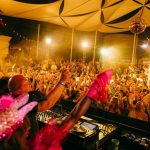
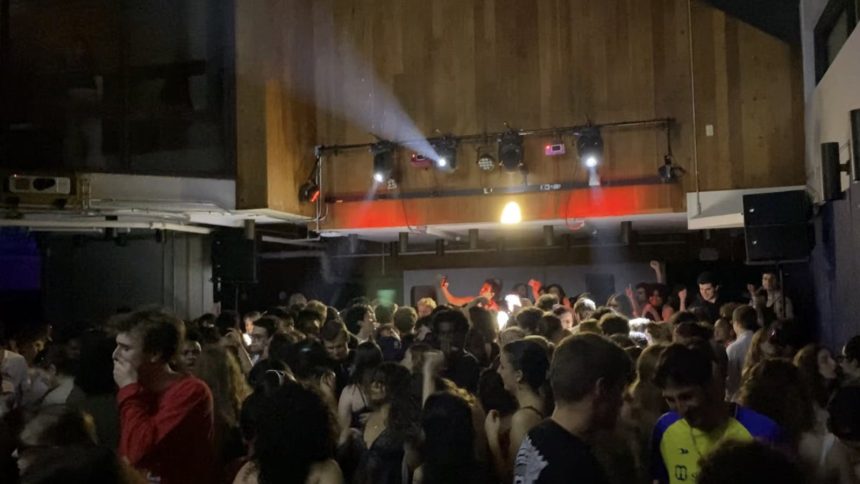
On April 17, the Freeman International Center (FIC) Bunker at Middlebury College transformed into a pulsating dance floor, thanks to the energetic rhythms and vivid lighting that filled the space. The second edition of “Laylit,” an annual party organized by the Arabic Department in partnership with the student-run WRMC radio station, PALANA, and WANAS, attracted a lively crowd of Middlebury students. Prominent DJs like Wake Island crafted an unforgettable experience, showcasing “Live EDM from the Arab World” and captivating attendees well into the early hours.
The DJs: Wake Island Brings the Heat from Montreal
The Montreal-based duo, Wake Island—comprising Nadim Maghzal and MNSA (Philippe Manasseh)—brought their expertise to the stage. The duo, known for co-founding Laylit in New York City in 2018, aims to celebrate the diversity of Middle Eastern and North African (MENA) music in the party scene. Their unique sound has garnered attention across various hubs on the East Coast of the U.S. and Canada, making their appearance at Middlebury a noteworthy highlight.
An Engaged Audience: First-Timers and Repeat Attendees Share Their Experience
Among the first-time attendees was Audrey Snowbeck ’28.5, who shared her enthusiasm about the vibrancy of the party. “It was very fun, and very crowded, and very hot,” she recalled. Experiencing a packed venue was a refreshing change for her, especially compared to more subdued social house events.
Henry Putnam ’28, another first-time participant, observed the event’s ability to attract both new and returning crowds. He noted that the diverse track selection presented at the “Arabic rave” provided him with an opportunity to explore unfamiliar music. “I never expected to enjoy it as much as I did,” he remarked, highlighting the value of experiencing music from different cultures.
Bo Young ’28, who returned for a second time, emphasized the importance of hosting events like Laylit to challenge stereotypes associated with Arabic music. He commented on the prevailing notions that Arabic music is solely religious or political, pointing out that mainstream media often overlooks the rich diversity of the region’s musical heritage.
Bypassing Stereotypes with Authentic Experiences
These sentiments echoed throughout the evening, as students experienced firsthand the breadth of Arabic music. Snowbeck emphasized how events like Laylit serve as vital counter-narratives to state-sponsored images, providing authentic representations of Arab culture. Rather than relying solely on news stories or social media portrayals, attendees were able to immerse themselves in the universal language of music and dance.
Young added to this, noting, “The audience equated hype music with Arabic music, which was an important shift from stereotypes.” This experience enriched attendees’ understanding and appreciation of Arabic culture, facilitating connections through shared enthusiasm for music.
A Curated Musical Experience: Welcoming Diversity
Notably, the DJs crafted a playlist that was accessible to the Middlebury demographic, mixing familiar Western hits with unique Arabic sounds. This careful curation ensured that students felt comfortable engaging with the music, fostering a collective appreciation for a multicultural musical landscape. Young described the fusion of an EDM beat with Arabic lyrics as a perfect blend that made the songs irresistible.
Cultural Impact: The Fusion of Music and Community
The inclusive atmosphere created by Laylit demonstrates how music transcends barriers, uniting audiences with its rhythm regardless of linguistic or cultural differences. While the DJs presented songs in Arabic, English, Spanish, and French, they also integrated distinctive Arab musical textures, reinforcing the notion that music can serve as an engaging medium for introducing audiences to different cultures.
Academic Support: Faculty Presence Highlights Significance of the Event
Attendees were not limited to student participants; faculty members were also present in support of the celebration. Dima Ayoub, associate professor of Arabic and co-organizer of Laylit, embodied this spirit of enthusiasm. Lana Povitz, associate professor of history, echoed similar sentiments: “I love the DJs and the music, and I love everything that the Arabic department does,” she shared, showcasing the importance of faculty involvement in student-centered events.
As the echoes of the night lingered within the Bunker, Laylit stood out as more than a party; it was a celebration of culture, music, and the unifying power that both hold. The vibrant backdrop of Middlebury College became a testament to the joy and excitement that arises when communities come together in celebration of diversity.