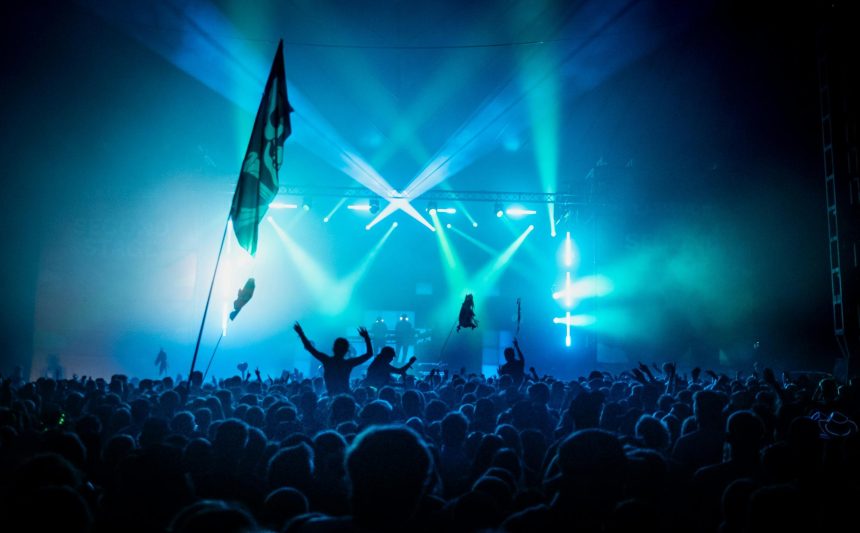
The Evolution of Rave Culture in San Diego’s Underground Scene
Roots in Acid House
The underground rave culture in San Diego has deep-seated roots in the late 1980s acid house movement, characterized by a vibrant party culture fueled by free love and the free use of psychedelics. Initially, raves were clandestine gatherings, often held in warehouses or undisclosed locations, existing outside the mainstream. The sense of liberation and community defined these early raves, creating an environment where individuals could express themselves through music and dance, unburdened by societal constraints.
The Changing Landscape
Fast forward to today, and the landscape of rave culture has shifted markedly. While raves are more popular and visible than ever, the nature of these events has evolved. One of the most significant changes is the demographic of attendees. With college students feeling the pinch of stricter regulations around fake IDs, many younger ravers—predominantly aged 18—are flocking to these events in search of a rite of passage. The surge in attendance raises questions about the authenticity and spirit of the culture, as many seasoned ravers lament the influx of newcomers eager for a party rather than a genuine cultural experience.
The Heavy Hand of Capitalism
One of the most striking transformations in the rave scene is the introduction of ticketed entry. Where raves once prided themselves on a “free love and free entry” ethos, the modern landscape sees many events charging an admission fee. Some argue this shift is indicative of a growing capitalistic influence, encroaching upon spaces that were originally founded on principles of community and acceptance.
Local raver Taylor Folkers encapsulated this sentiment: “Raves, specifically festival-style raves, are becoming increasingly more capitalistic. Their trendy reputations are taking away from the true underground rave culture.” This perspective highlights a concern that the original atmosphere, built on freedom and inclusivity, is being overshadowed by commercialization.
The High Costs of Hosting
For organizers trying to keep the spirit of the underground alive, there are escalating financial challenges. Gone are the days when a simple setup of speakers could suffice; the cost of DJ equipment can range from $1,000 to over $10,000 for high-end installations. Additionally, many underground raves now incorporate elaborate lighting rigs and performances, further inflating production costs.
The financial strain is felt particularly acutely against a backdrop of increasing legal risks. Many events continue to be held in unauthorized settings—think abandoned warehouses or secret tunnels—leaving them vulnerable to law enforcement interference. The threat of having expensive equipment seized or damaged adds a layer of anxiety for organizers and performers alike.
San Diego DJ Sol Vashez emphasizes this concern: “My DJ deck was over two grand. If it got damaged or confiscated by police, I wouldn’t be able to replace it.” With such stakes involved, the decision to implement ticket fees becomes less about profit and more about survival.
Ensuring Safety and Community
The implementation of modest ticket fees is also tied to safety measures, a growing priority in the rave community. Smaller collectives are now investing in on-site security and medical resources to enhance the safety of their gatherings. For instance, Narcan kits are made available in case of drug overdoses, underscoring a commitment to ensuring the well-being of attendees in confined event spaces. A security guard noted the importance of maintaining a safe environment: “We make sure no one is bringing anything dangerous into such a confined space with limited exits.”
These measures reflect an evolving understanding among rave organizers and attendees alike. While the essence of rave culture retains its focus on music and community, the realities of hosting such events in today’s regulatory environment necessitate adaptations that may not always align with the original values of the scene.
Navigating the Future of Local Raves
As large-scale festival raves dominate the mainstream landscape, smaller community raves are leveraging ticketing as a way to sustain themselves. The modest entry fees are not a sign of decline but rather an adaptation to a more complex reality characterized by legal risks and financial challenges.
While the transformation of the rave culture in San Diego may spark concerns over its authenticity, it also highlights the resilience and creativity of those involved. The spirit of community, music, and expression remains a driving force—even as the framework within which it operates continues to evolve.